Well report No. RR-8343 · T5N · R24W · SEC 29 · filed October 10, 2026
Upstream Drilling & ProductionWell report
IEA Chief Calls on EU to Rethink Ban on New Arctic Oil Drilling
The International Energy Agency's executive director has publicly urged the EU to reconsider its opposition to new Arctic oil drilling, Arctic Today reported, challenging settled European policy.
Field notes
- The head of the International Energy Agency has urged the EU to reconsider its opposition to new Arctic oil drilling, Arctic Today reported.
- The call challenges the EU's long-standing policy against new hydrocarbon development in Arctic waters.
- The IEA is headquartered in Paris and its outlooks anchor global oil investment decisions.
- No EU policy change has followed the remarks; the watch item is any member-state or Commission response.
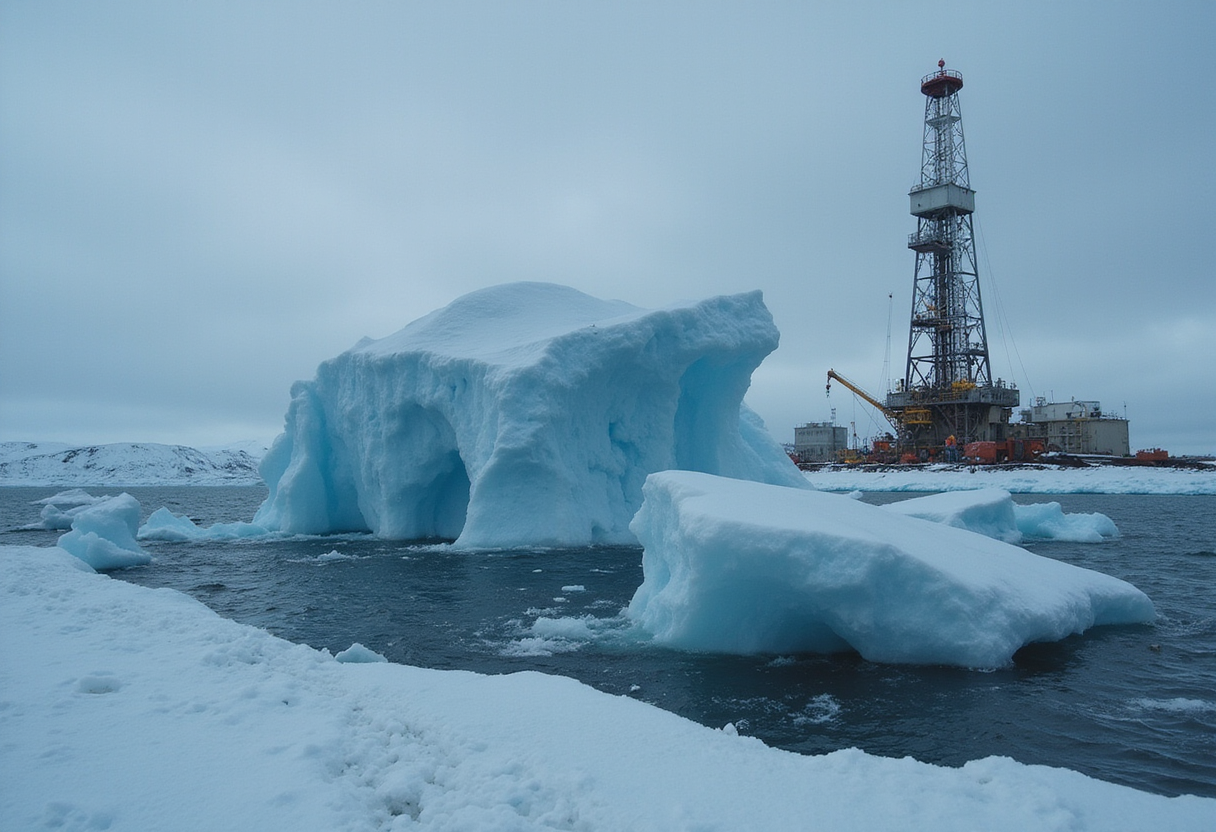
The executive director of the International Energy Agency has urged the European Union to reconsider its opposition to new oil drilling in the Arctic, according to a report by Arctic Today.
The call from the head of the Paris-based IEA puts one of the world's most influential energy institutions directly at odds with Brussels' current stance on frontier Arctic exploration. It also lands at a moment when European policymakers are weighing how to balance emissions targets against the continent's structural dependence on imported crude and refined products.
Arctic Today reported the IEA chief's remarks, which challenge a long-standing EU position that has effectively closed European Arctic waters to new hydrocarbon development.
What does the IEA's position signal?
The International Energy Agency occupies an unusual position in global energy policy. Its annual World Energy Outlook and oil market reports anchor investment decisions across IOCs, NOCs and trading houses. When the agency's leadership speaks on supply policy, markets and governments listen — even when, as in this case, the comments cut against the grain of European climate legislation.
The agency has previously argued that global demand for oil must fall if net-zero targets are to be met. A public push for reconsidering Arctic drilling restrictions signals that the IEA's leadership sees a supply-side problem it regards as urgent enough to justify revisiting a politically settled question in Brussels.
Why does the Arctic question matter for European supply?
The EU imports the overwhelming share of the crude it refines. Its largest processing clusters — around the Aegean and Mediterranean coasts, in the Rhineland and at Rotterdam — depend on seaborne cargoes from producers including the US, Norway, West Africa, the Middle East and, historically, Russia.
Since 2022, the loss of Russian barrel flows has forced European refiners to restructure supply chains at higher cost and longer freight distances. In that context, the argument for accessing new provinces closer to home — including the European Arctic — has gained traction among some industry voices, even as environmental groups and several EU member states maintain firm opposition.
The Barents and Norwegian Seas remain the most credible frontier for such activity on the European side of the Arctic. Norway, outside the EU, continues to award acreage in mature and frontier areas of its continental shelf under its own framework.
What is at stake for Brussels?
The EU's opposition to new Arctic oil drilling reflects both climate policy and the political weight of environmental coalitions across member states. Any shift would require revisiting positions embedded in multiple legislative and regulatory instruments, not a single decision by the Commission.
For the IEA chief to urge a rethink implies a judgment that current policy and future supply realities are on a collision course. Whether that judgment reflects near-term market tightness, longer-term decline in non-OPEC investment, or refining-margin pressure in Europe, the agency's leadership has chosen to make the argument publicly rather than through its routine publications.
Environmental organizations and several Nordic policymakers have previously argued that Arctic development carries outsized ecological risk, citing harsh operating conditions, long response times for spills and fragile marine ecosystems. Any EU reconsideration would face immediate resistance on those grounds.
The watch item
Watch for the EU's formal response to the IEA's urging, and for whether any member state — particularly those with Arctic coastline or refining exposure to long-haul crude — picks up the argument in Council discussions. The next IEA oil market report, and any revision to its medium-term supply outlook, will indicate whether the agency's leadership embeds this position in its official forecasting or treats it as personal commentary.
For refiners and traders, the operative question is simpler: does this rhetorical shift precede any concrete policy movement that could eventually open acreage, or does it remain a lone institutional voice against a settled European consensus? Until a member state or the Commission acts, the IEA chief's call changes the debate, not the drilling map.
via Google News: Oil drilling and production (Source)