Well report No. RR-6590 · T14N · R43W · SEC 2 · filed November 14, 2026
Petroleum MarketsWell report
IEA to Release 71 Million Barrels Through February as Diesel Shortages Persist
IEA members will release ~71 million barrels through February 2027, doubling autumn's pace, with diesel draws from French and German stocks peaking in January at 4-5 million barrels.
Field notes
- IEA members will release ~71 million barrels of crude and products through February 2027, double the September-October pace.
- Diesel releases total ~15 million barrels, peaking at 4-5 million barrels in January, mainly from French and German state stocks.
- Cumulative releases could reach ~420 million barrels, exceeding the original March commitment of 400 million.
- Global supply hit 105.4 million bpd in October; IEA now sees a 1.7 million bpd surplus in Q4.
- European diesel prices remain ~77% above prewar levels despite recent declines.
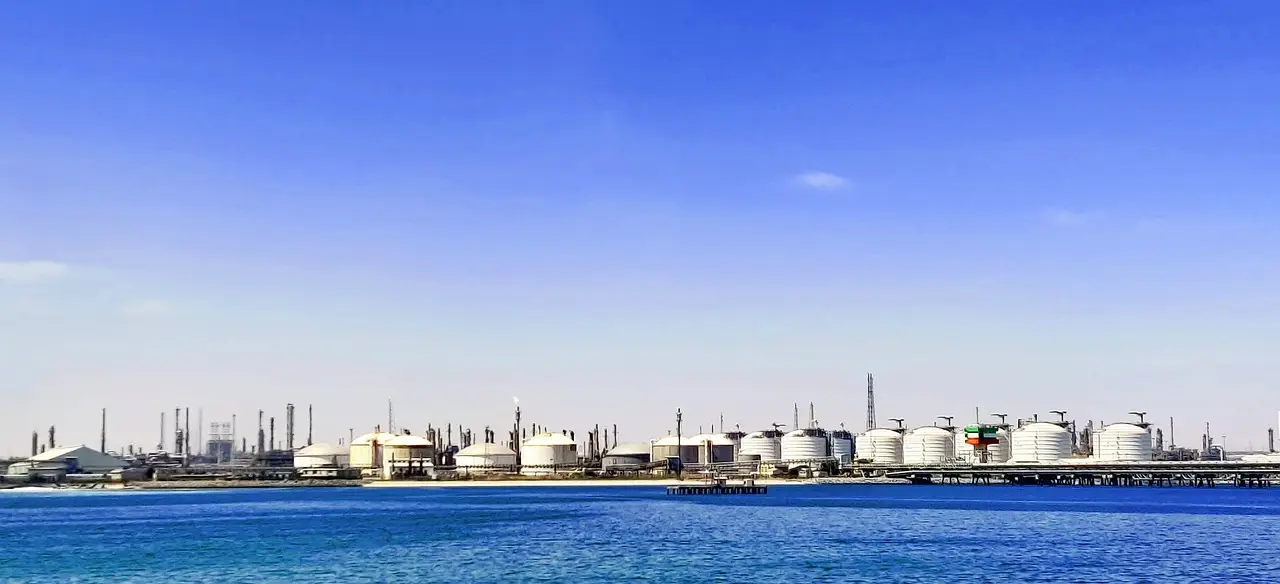
The International Energy Agency expects member governments to push roughly 71 million barrels of crude and refined products onto global markets through February 2027, roughly double the pace recorded in September and October. The accelerated draws come even as the agency's own November Oil Market Report shows supply recovering. That tension — releasing reserves into a market the IEA says is already long — is the story here.
The IEA frames the move as a response to persistent diesel scarcity, not crude shortage. European diesel prices still sit about 77% above prewar levels despite recent declines, the agency reported. Disruptions to Middle Eastern and Russian exports continue to constrain distillate supply (distillates being the diesel and heating oil fraction of the barrel). Crude is flowing again. Diesel is not.
Where the barrels come from
The release schedule splits between two regions:
- Europe: approximately 33 million barrels of crude and products, with diesel drawn mainly from government-controlled inventories in France and Germany.
- United States: approximately 37 million barrels from the Strategic Petroleum Reserve.
- Public-sector share: government-controlled stocks account for at least 85% of planned releases.
Roughly 15 million barrels of diesel are scheduled over the period. Diesel withdrawals peak in January at 4-5 million barrels, timed to elevated winter heating demand.
The takeaway: this is a state-driven intervention, with private inventories playing a marginal role.
How we got to 420 million barrels
The February acceleration extends a coordinated response launched in March, when IEA members committed to releasing up to 400 million barrels after supply disruptions tied to the conflict involving Iran. About 349 million barrels have already gone out. Completing the current schedules lifts the cumulative total to roughly 420 million barrels — exceeding the original commitment by about 5%.
Note what the agency is not saying. The original 400-million-barrel cap was presented as a ceiling. The program has now moved past it, and the IEA offers no revised endpoint. Emergency releases have a way of becoming routine.
Supply is recovering — the numbers say so
The IEA's November Oil Market Report estimated global petroleum supply at 105.4 million barrels per day in October, supported by recovering Middle Eastern exports. The agency now expects supply to exceed demand by roughly 1.7 million bpd in the fourth quarter. That reverses its earlier forecast of a deficit.
So the crude side looks balanced to long. The refined-product side does not. The IEA's own assessment draws the distinction: improving crude availability has not restored balance to product markets.
What it means for operators
For refiners, the imbalance cuts both ways. Strong distillate margins can support profitability for units able to maximize diesel yield. But high transportation costs and shifting crude supply routes complicate operations. Simple arithmetic says the refiner with distillate flexibility wins this winter. The caveat: emergency diesel releases can soften those same margins if January volumes land as scheduled.
For U.S. exploration and production companies, additional SPR crude entering commercial markets could pressure benchmark prices if physical supplies keep recovering. Midstream operators and traders face changing storage demand, altered transportation patterns and shifting regional price differentials.
For investors, the bigger question is replenishment. Governments will eventually need to rebuild emergency inventories, and that means crude purchasing requirements once markets stabilize — a demand tailwind with no announced schedule.
The watch item
Sustained stabilization, per the IEA's own framing, depends on refinery output, shipping security and the recovery of normal petroleum trade flows — not reserve draws. The January diesel release peak of 4-5 million barrels is the number to watch. If European diesel cracks hold near current levels after that volume lands, the shortage is structural, not logistical. The next Oil Market Report, and any hint of a replenishment timetable from Washington or Paris, tells us which way this breaks.
via oilandgas360.com (Source)
More from Priya Raman
Show full bio
Senior reporter covering technology and product news in Oil and gas industry operations and markets at Rig & Refinery.
613 articles
Adjoining reports
- Analyst flags 900-million-barrel gap in global oil inventory debate
- IEA Board Reviews G7's 100-Million-Barrel Crude and Diesel Release
- G7 to release 100 million barrels from IEA emergency stocks
- Middle East Crude Exports Hit Post-War High Even as Hormuz Attacks Persist
- Aramco CEO: rebuilding oil inventories could take two years