Well report · filed November 20, 2026
OffshoreWell report
INPEX sanctions five-well Ichthys Phase 2c offshore expansion
INPEX's five-well Ichthys Phase 2c scope targets the Brewster reservoir, with McDermott and Baker Hughes awarded subsea EPCI work in the Browse basin.
By Priya Raman
Five production wells sit at the center of INPEX's sanctioned (approved for development) Phase 2c Part 1 expansion offshore Western Australia.
The INPEX Corp.-led Ichthys Joint Venture formally sanctioned the next phase of the Ichthys liquefied natural gas (LNG) project and awarded part of the work to a consortium of McDermott and Baker Hughes. The five wells target the Brewster reservoir. They will use existing offshore drill centers and infrastructure.
This is a sanctioned development, not an appraisal-stage proposal. The announcement did not disclose a sanction date, capital cost, contract value or production start date. It also gave no firm drilling sequence, completion schedule or incremental LNG volume. That leaves the commercial scale of the expansion open despite the clear physical scope.
What does the sanction cover?
Under the joint venture's existing subsea (underwater) development framework agreement, the McDermott-Baker Hughes consortium will provide engineering, procurement, construction, installation and commissioning (EPCI) services. Its work covers new subsea infrastructure tied back to the existing Ichthys offshore production system.
INPEX said Phase 2c Part 1 is intended to “maximize recovery from Ichthys field while supporting long-term LNG supply commitments.” That is the company's stated objective. The announcement does not quantify the additional recovery expected from the five wells.
The work scope is clear, but its schedule and cost are not.
What does Ichthys mean for regional supply?
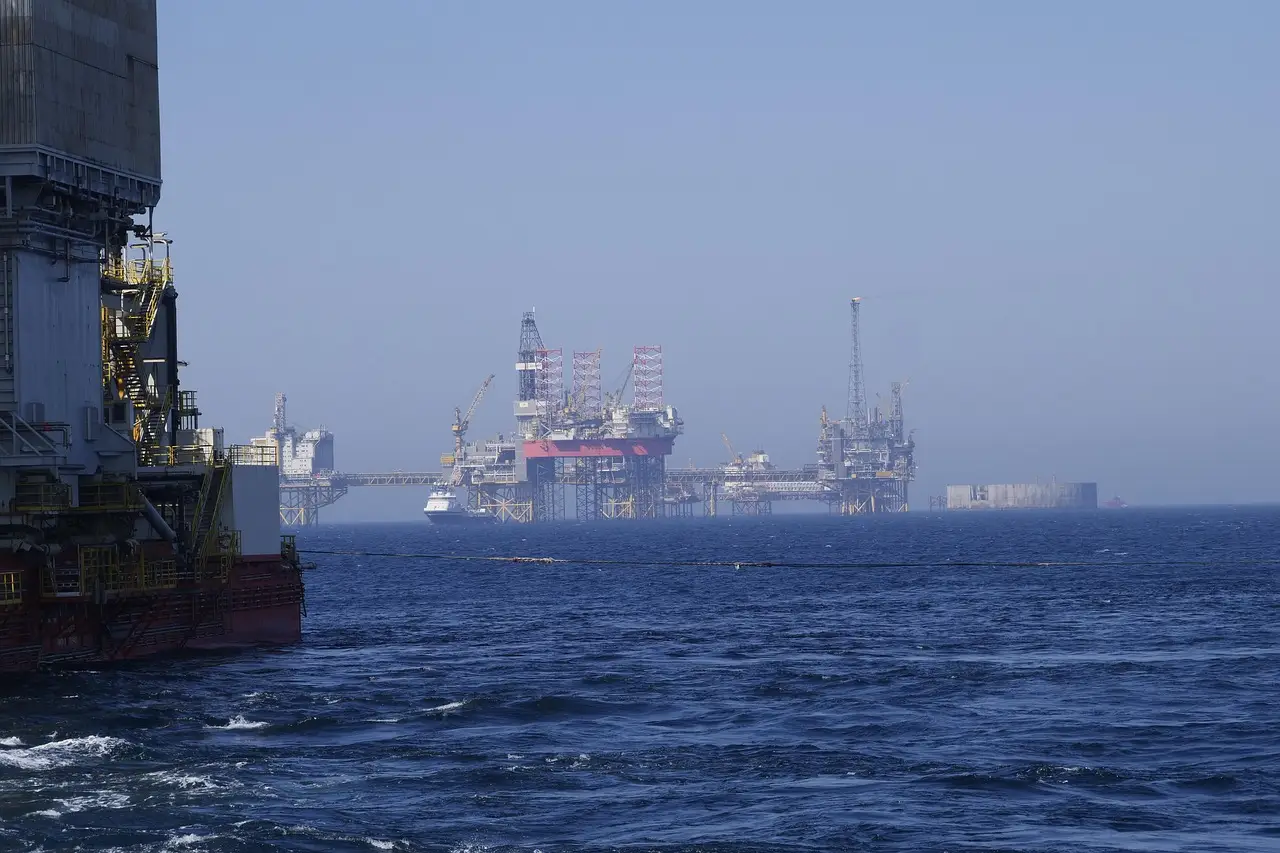
Ichthys LNG's offshore production infrastructure lies in the Browse basin, about 220 km off the northwest coast of Western Australia. The wider project has capacity to produce up to 9.3 million tonnes per year of LNG.
About 70% of output is supplied to Japanese customers. Annual production is equivalent to roughly 8% of the combined LNG imports of Japan and Taiwan. It also represents about 10% of Australia's LNG exports.
Those figures apply to the wider Ichthys project. INPEX did not assign additional tonnes per year or a percentage increase to Phase 2c Part 1. The release also did not say whether the expansion changes the stated 9.3 million-tonne annual capacity.
The existing project already carries regional supply weight, but this phase has no disclosed output uplift.
How does this fit the wider Ichthys buildout?
Phase 2c Part 1 follows Phase 2a, a subsea development, and Phase 2b, a booster compression project. INPEX said the three developments together are designed to “sustain plateau production, improve long-term reservoir recovery, and optimize use of the project's existing subsea pipeline and offshore processing infrastructure.”
The sequence places the new work alongside earlier subsea and compression phases within the broader development program. Phase 2c adds wells and subsea infrastructure; Phase 2a covered earlier subsea development; Phase 2b addressed booster compression. INPEX's announcement does not assign separate production rates or capacities to those phases.
It also does not say whether installation requires any interruption to existing operations. That operating plan remains important for a project relying on current drill centers, pipeline and processing infrastructure.
The new wells extend the existing system, but their individual operating contribution remains undisclosed.
What does the contractor award establish?
McDermott and Baker Hughes hold EPCI work for part of a sanctioned scope under the existing framework agreement. The announcement did not disclose the award value, contract duration, contractor split or milestones. It also did not provide an installation schedule or a commissioning date.
INPEX's language links the phase to sustaining plateau production, meaning maintaining a stable maximum rate. Yet the company did not say when the first well will reach production or how the five wells will affect plateau timing. Those missing dates leave a practical gap between project sanction and commercial delivery.
The award advances execution, but it leaves the timetable and commercial payoff open.
What should readers watch?
The first checkpoint is a firm production-start schedule for Phase 2c Part 1, followed by drilling, installation and commissioning dates for the five wells. Cost, contract value and incremental LNG capacity are the other numbers readers should seek in the next update.
The watch item is a first-production date, which INPEX did not disclose; without it, the expansion's commercial payoff remains untimed.
via inpex.com.au (Original)
More from Priya Raman
Show full bio
Senior reporter covering technology and product news in Oil and gas industry operations and markets at Rig & Refinery.
662 articles
Adjoining reports
- Offshore Drilling Activity Advances From Malaysia to Australia
- Six-Well Campaign Opens for Eni's Coral North FLNG Off Mozambique
- Inpex Blocks MidOcean, Lifts Ichthys LNG Stake to 68.555%
- Maha Field Starts Up Off Indonesia, Headed for 230 MMSCFD
- Shell Signs HYDRA SUBSEA for Gulf of Mexico Tie-In Pipelines