Well report · filed November 19, 2026
OffshoreWell report
Saipem books $181m in rig work for Scarabeo 9 off Egypt and Suriname
Saipem has secured about $181m in contracts for the Scarabeo 9 semi-sub: three wells off Egypt for Burullus from Q1 2027, then five wells plus options off Suriname for TotalEnergies.
Field notes
- Saipem won ~$181m of drilling contracts for Scarabeo 9 off Egypt and Suriname, starting 2027.
- Burullus Gas (Shell/Petronas/EGPC JV) booked the rig for three wells beginning Q1 2027.
- TotalEnergies EP Suriname awarded a five-well campaign with options for five more.
- Scarabeo 9 drills in up to 12,000ft of water and 50,000ft below the rotary table; berths 200.
- ExxonMobil Guyana authorised Saipem's Longtail EPCI work, valued at $1bn–$1.5bn, after a limited notice to proceed on 21 April 2026.
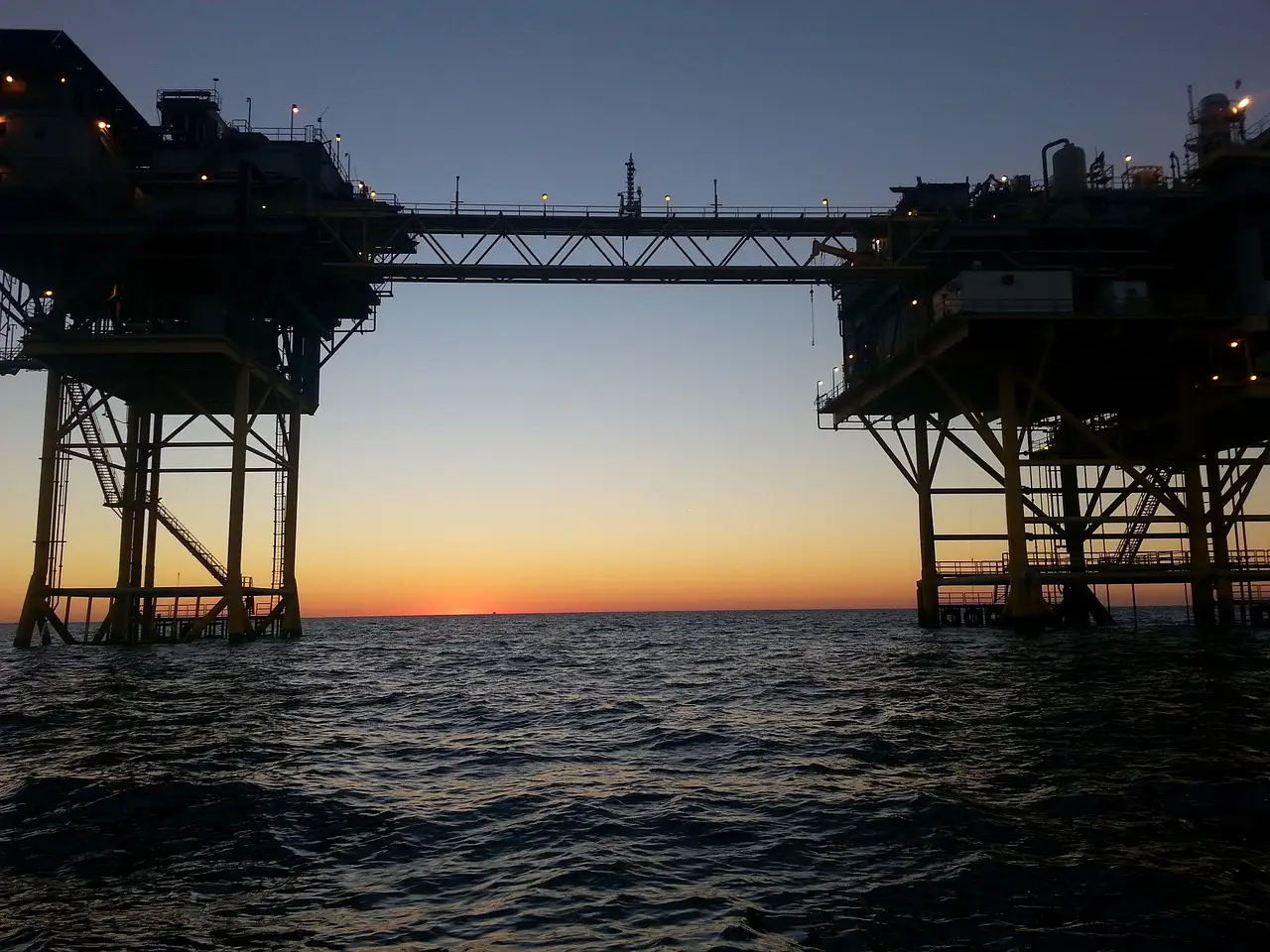
Saipem has booked roughly $181m in offshore drilling contracts for its Scarabeo 9 semi-submersible, with campaigns off Egypt and Suriname starting in 2027. The awards cover eight firm wells and options for five more, stretching the rig's utilisation through 2028.
The smaller of the two awards comes first. Burullus Gas, a joint venture of Shell, Petronas and the state-owned Egyptian General Petroleum Corporation (EGPC), has contracted Scarabeo 9 for three offshore wells. That work begins in the first quarter of 2027.
What follows Egypt?
TotalEnergies EP Suriname takes the rig afterwards. That campaign covers five wells offshore Suriname, with an option for five additional wells. No start date was given beyond "scheduled to follow" the Egyptian assignment — a gap worth noting when both operators plan around the same hardware.
Saipem framed the wins in operational terms. The contracts, it said, add to its offshore drilling fleet backlog and provide "greater visibility over Scarabeo 9's utilisation through 2027 and 2028." The company also said the awards strengthen long-standing relationships with Burullus and TotalEnergies. Backlog (contracted but unexecuted work) is the number drillers lean on in weak markets, so two awards at once carries real weight.
What can the rig actually do?
Scarabeo 9 is an ultra-deepwater drilling unit fitted with a dual RamRig and a DP3 dynamic positioning system (computer-controlled thrusters that hold position without anchors, rated to the highest redundancy class). It works in water depths up to 12,000ft and drills to 50,000ft below the rotary table (the reference point at the drill floor from which depth is measured). Its permanent accommodation module houses 200 people.
What is happening on Longtail?
Separately, ExxonMobil Guyana has authorised Saipem to proceed with the Longtail project in the Stabroek Block offshore Guyana, in water depths of roughly 1,750m. Saipem had received a limited notice to proceed on 21 April 2026 for preliminary detailed engineering and procurement of long-lead equipment.
The Longtail contract carries an estimated value of $1bn–$1.5bn. It covers engineering, procurement, construction and installation of subsea structures, umbilicals (control-and-power cables running to the seabed), risers and flowlines. That value range is wide — $500m of spread signals scope still being firmed up.
The takeaway
Watch first-quarter 2027, when Scarabeo 9 spuds the first Burullus well. The Suriname campaign sequencing and any exercised options for the extra five wells will tell you whether the rig runs full through 2028 or leaves a gap. On Longtail, the next marker is the shift from long-lead procurement to full execution, which should tighten that $1bn–$1.5bn range into a fixed number.
via Offshore Technology (Source)
More from Priya Raman
Show full bio
Senior reporter covering technology and product news in Oil and gas industry operations and markets at Rig & Refinery.
662 articles
Adjoining reports
- Saipem secures new FPSO contract for Indonesian offshore development
- Six-Well Campaign Opens for Eni's Coral North FLNG Off Mozambique
- Saipem lands $2-billion FPSO contract for Eni-Petronas gas project
- Saipem secures $2 billion FPSO contract from Eni–Petronas venture
- Record Single Contract Lifts Drilling Contractor Backlog to $4.8 Billion