Well report No. RR-7696 · T20N · R48W · SEC 32 · filed November 9, 2026
Midstream & PipelinesWell report
Iran, U.S. threats converge on Strait of Hormuz standoff
Three U.S. carriers and threats over 38 Iranian bridges frame a standoff tied to Iran’s two-day proposal, nuclear talks and an oil tanker’s mine strike near Hormuz.
Field notes
- The eight-month U.S.-Iran war forms the backdrop to the renewed threats.
- Araghchi’s two-day proposal seeks an end to the war on all fronts.
- Trump said three U.S. aircraft carriers are loaded and ready in the region.
- Trump said U.S. forces could knock down 38 Iranian bridges in one hour.
- An oil tanker caught fire after hitting a naval mine east of the Strait of Hormuz on Sunday.
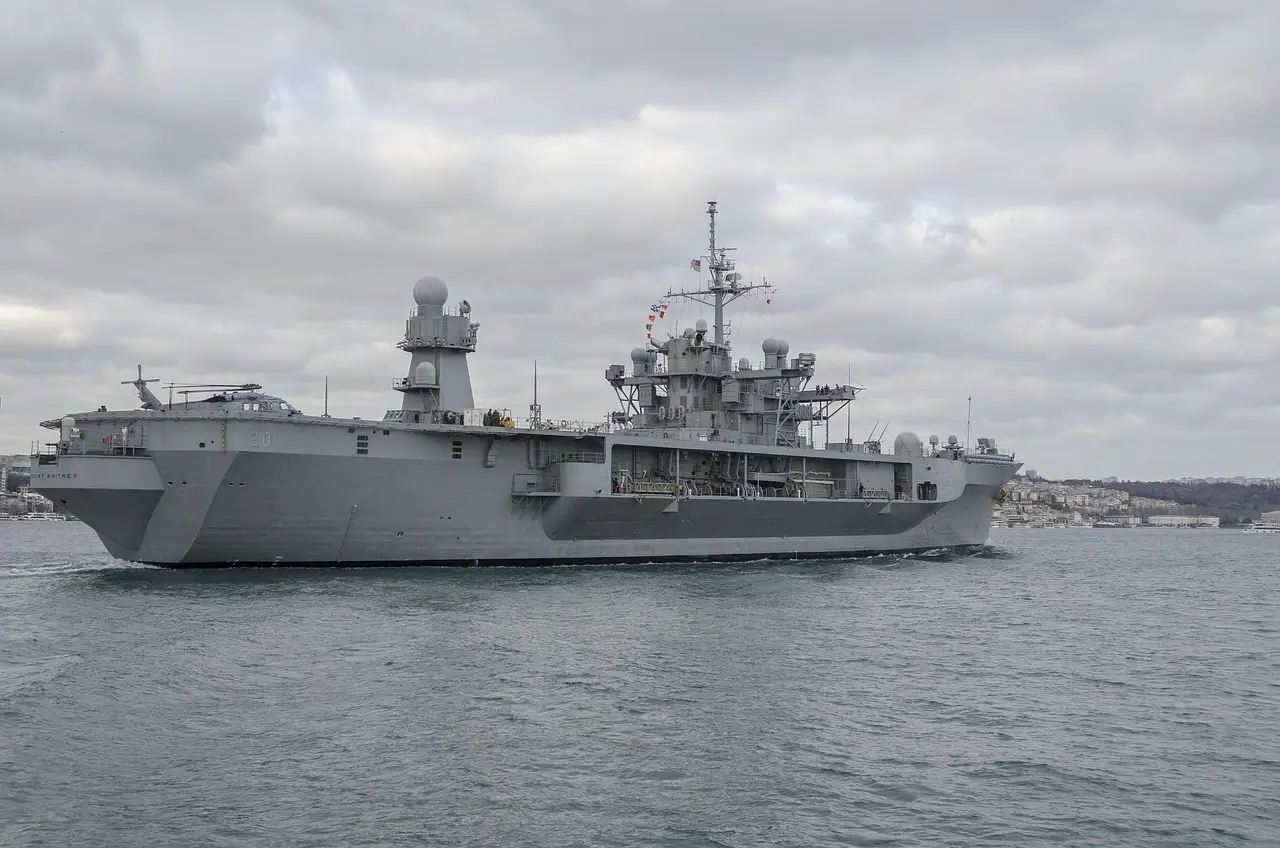
Three U.S. aircraft carriers are stationed in the region, President Donald Trump said, as the eight-month war with Iran entered another round of threats over Tehran’s nuclear program and reopening the Strait of Hormuz. Earlier on Sunday, state media reported that an oil tanker caught fire after hitting a naval mine east of the strait.
Iranian Foreign Minister Abbas Araghchi presented a two-day proposal in a Sunday post on X, warning that Tehran would not go easy on American targets if Washington resumed strikes. His offer and threat came after the tanker report, placing the safety of the waterway alongside negotiations over the war and nuclear program.
What does Iran’s two-day proposal require?
Araghchi wrote: “Our 2-day proposal stands: meet the requirements, including end to war on all fronts, and you will see results.” He then wrote: “Or choose war, and see our alert and battle-hardened warriors rain down hell.”
Earlier Sunday, Iran’s Foreign Ministry quoted Araghchi saying Tehran would not go easy on American targets in the region. The proposal coupled an offer to stop the fighting on all fronts with a threat of a broader regional response.
In plain terms, Iran has tied its two-day proposal to ending the war on all fronts.
What happened to the tanker east of Hormuz?
State media, citing Iran’s navy, reported that the tanker caught fire after striking a naval mine east of the Strait of Hormuz. The navy said the ship’s identification systems were turned off and that it was traveling in the strait’s no-go zone.
Trump’s warning about further strikes depended on progress toward reopening the Strait, so the reported mine incident now sits alongside the central negotiating issue. The public account did not identify the tanker or give further details about the mine encounter.
The tanker report adds a concrete hazard to the Hormuz dispute, based so far on Iran’s navy account.
What would avert further U.S. strikes?
Trump said renewed strikes were highly unlikely if negotiations progress over Iran’s nuclear program and reopening the Strait. In a phone interview reported by CNN, he said: “It depends on whether or not they sign a very strong agreement,” adding: “I would [continue], if necessary, but we hit them really hard.”
He said the three carriers in the region were fully loaded and ready. Trump also claimed that U.S. forces had 38 bridges in Iran in their crosshairs and could knock them down in literally one hour.
The carrier count and bridge claim defined the military stakes Trump attached to the negotiations; Araghchi supplied the two-day timeline.
A strong agreement covering the nuclear program and Hormuz is the stated condition for reducing strike risk.
How far does Iran’s military warning go?
IRGC Brig. Gen. Ali Belali, an adviser to the commander of the Islamic Revolutionary Guard Corps’ Aerospace Force, echoed the foreign minister’s warning. In a statement on Telegram, he said the armed forces were ready and their weapons were secured for years to come.
Belali said an enemy mistake would prompt a devastating and severe response. He also said Iran had upgraded its capabilities during the post-Ramadan War period, linking the present warning to what he described as longer-term military readiness.
Iran’s warning now combines foreign-policy terms with a claim of sustained weapons readiness and post-war upgrades.
What role did the U.S. elections play?
The political backdrop changed after the U.S. midterm elections, in which the Democratic Party won control of both chambers of Congress and soundly defeated Trump’s Republican Party. Araghchi alleged that the elections delayed negotiations; Iranian state media reported that he was waiting to see the path forward.
Araghchi said it would take time for conditions to settle and for the atmosphere to become conducive for mediators to resume their visits. He said they had to wait, leaving the two-day proposal without a reported response from Trump in the account.
The election result shaped Araghchi’s account of the delay, but the stated talks still center on the war, nuclear program and reopening Hormuz.
The watch items are whether mediators resume their visits, whether Tehran’s two-day proposal produces an end to the war on all fronts, and whether the parties make measurable progress on nuclear issues and reopening the Strait of Hormuz. Until then, the tanker mine report, three-carrier presence and threat over 38 bridges leave the maritime and military risks unresolved.
via aljazeera.com (Source)
More from Elena Vasquez
Show full bio
News editor covering technology and product news in Oil and gas industry operations and markets at Rig & Refinery.
561 articles