Well report No. RR-4069 · T17N · R40W · SEC 17 · filed November 9, 2026
Midstream & PipelinesWell report
Hormuz conflict has killed 25 seafarers, IMO records show
The IMO has recorded at least 25 seafarer deaths and 129 shipping incidents in the Strait of Hormuz since February 28, with Indian nationals accounting for 16 of the fatalities.
Field notes
- IMO records at least 25 seafarer deaths since the conflict began on February 28.
- At least 129 incidents against commercial vessels have been reported in and around the Strait of Hormuz.
- At least 16 Indian nationals are among the dead; 44 Iranian seafarers were reported killed by May.
- About 6,000 seafarers remained stranded near the strait as of October.
- October saw at least 31 commercial vessels hit.
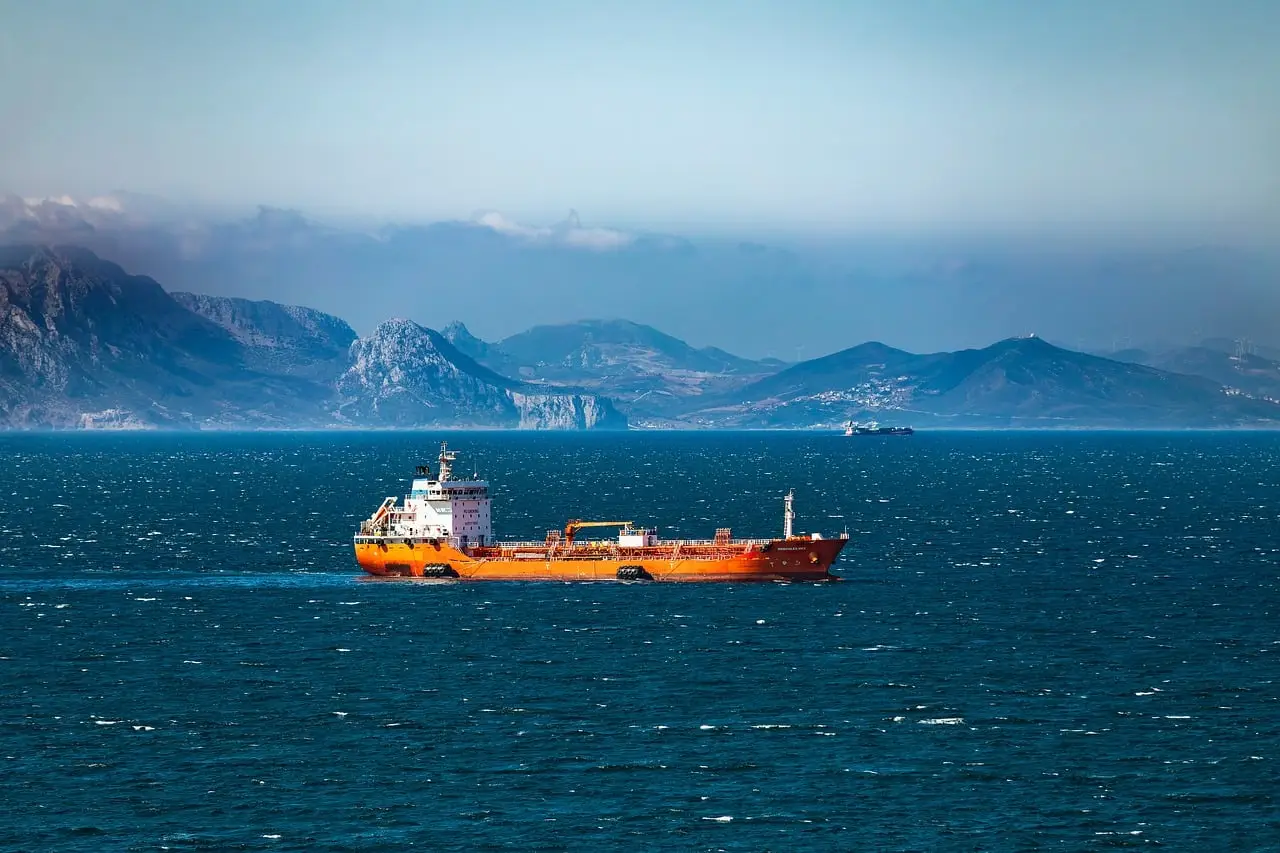
The International Maritime Organization has recorded at least 25 seafarer deaths since fighting began on February 28. At least 129 incidents against commercial vessels have been reported in the same period. The casualty count now shadows one-fifth of global oil consumption, the share of supply that transited the Strait of Hormuz before the war.
The strait, the 21-mile-wide chokepoint connecting the Gulf to the Arabian Sea, has effectively closed to unescorted traffic. Iran warned after the US-Israeli attacks began nine months ago that ships sailing without authorization could be targeted. Washington has imposed a naval blockade on Iranian ports. Attacks have involved missiles, projectiles and naval mines that damaged vessels, set them ablaze or sank them.
On Sunday, Iran's Islamic Revolutionary Guard Corps said three "rogue oil tankers travelling an unauthorised route" in the strait were subject to "explosions and severe fires." On Thursday, Iranian forces reported five oil tankers and a tugboat on fire in separate incidents. The Marshall Islands-flagged tanker Velos Sapphire suffered an explosion north of Qatar, killing one crew member.
October was the deadliest stretch for commercial shipping. At least 31 vessels were hit that month, according to incident reports.
Who is dying on these tankers?
The victims are civilian merchant sailors. Many hold citizenship of countries far removed from the conflict. India, one of the world's largest suppliers of merchant sailors, has suffered the heaviest documented losses, with at least 16 nationals killed.
In June, three Indian sailors died in US strikes on commercial vessels near Oman, prompting New Delhi to summon a senior American diplomat. On Tuesday, Gandhar Nahim Ajij of Gujarat died after the cargo vessel MSV Al Jusufi was struck off Oman; thirteen other Indian crew members were rescued. In October, twelve crew members were injured when the Panamanian-flagged tanker On Peace was struck near Oman. Eleven of the injured were Indian nationals.
Other flags have buried crew. In September, two Filipino sailors were killed when the Saudi tanker Sidr was hit by projectiles near the strait. Iranian maritime labor has also taken losses: in May, the head of Iran's merchant marine union said at least 44 Iranian seafarers had been killed and 29 injured since the war began.
For tanker owners and charterers, the casualty ledger is now a routing and insurance input, not an abstraction. The International Chamber of Shipping, a trade association, said it is "unacceptable that throughout this conflict seafarers have been placed in harm's way."
"It is incumbent on all parties to take all necessary steps to safeguard the safety of seafarers who are simply going about their job and have found themselves, through no fault of their own, in a highly volatile situation," an ICS spokesperson told Al Jazeera.
What protections do crews actually have?
In March, maritime unions and shipping companies negotiated an arrangement through the International Bargaining Forum (a joint labor-employer negotiating body). Under its terms, seafarers may refuse to enter designated danger zones. They receive company-funded repatriation and compensation equivalent to two months of basic wages.
The International Transport Workers' Federation said the agreement also provides for increased wages and twice the standard compensation for seafarers who die or suffer a disability. Coverage, however, does not extend to every seafarer working Gulf waters.
The stranding problem compounds the payroll and welfare exposure. About 6,000 seafarers remained stranded near the Strait of Hormuz in October, the IMO said in late August. Maritime charities warned in May that many faced loneliness, anxiety and distress.
"Shipowners are working hard to ensure that impacted seafarers have access to mental health support services as well as increased access to calls with family and friends," the ICS spokesperson said. The association urged all ships operating in the region "to conduct thorough risk assessments and to maintain vigilance in line with the latest BMP [best management practices] maritime security guidelines."
What does the law require, and can it be enforced?
Article 38 of the United Nations Convention on the Law of the Sea grants ships and aircraft the right of transit passage through straits, a right no country may suspend. Article 17 guarantees foreign vessels the right of innocent passage through another country's territorial waters. Article 19 defines such passage as innocent provided it is not "prejudicial to the peace, good order or security of the coastal state."
Enforcement is the gap. The IMO sought arrangements in June to evacuate stranded sailors, but efforts to establish safe passage have met repeated obstacles as attacks in and around the strait continue.
Abdul Khalique, head of the Liverpool John Moores University Maritime Centre, said international law undoubtedly applies, but "its enforcement is the weak link."
"The law is clear on the obligations. The gap is political will and practical enforcement," Khalique told Al Jazeera. "For seafarers themselves, legal protections matter most when paired with operational avoidance."
The takeaway is plain: crews, not navies, are absorbing the risk premium on Gulf hydrocarbon flows. The watch items are the IMO's stalled safe-passage negotiations, the IBF danger-zone designations, and whether October's rate of 31 vessel strikes becomes the baseline rather than the peak.
via aljazeera.com (Source)
More from Olivia Hart
Show full bio
Correspondent covering technology and product news in Oil and gas industry operations and markets at Rig & Refinery.
567 articles
Adjoining reports
- Gulf oil keeps flowing through Iran conflict, but war costs mount
- Hormuz Crossings Drop 70% as Qatar LNG Repairs Run 3-5 Years
- Iran Threatens Regional Energy Infrastructure as Hormuz Standoff Persists
- Sanctioned Tanker SOGL Lands 500,000 bbl of Iranian LPG in China
- Hormuz Flows Rebound to 11.7 Million Bpd, Yet Tanker Strikes Keep Prices Bid