Well report No. RR-5633 · T23N · R23W · SEC 35 · filed November 18, 2026
Midstream & PipelinesWell report
Iraq chases 2 million bpd Kirkuk-Baniyas line as Hormuz workaround
Iraq's PM visits Beirut to discuss a Kirkuk-Baniyas-Tripoli pipeline, reviving 900,000 bpd legacy terminals as a Hormuz bypass after exports fell to 200,000 bpd.
Field notes
- Iraq's oil exports recovered to about 2.7 million bpd in July, up from 200,000 bpd in May
- The Kirkuk-Baniyas pipeline rehabilitation, carried out by Chevron, has a stated initial capacity of 2 million bpd
- Tripoli's legacy lines have a historical peak capacity of 900,000 bpd; BFIF projects 300,000-500,000 bpd and $80m-$275m annual Lebanese revenue
- The Iraqi-Turkish pipeline resumed pumping this week at an initial 120,000 bpd
- Iraqi crude would need to cross about 250 km of Syrian territory to reach Tripoli
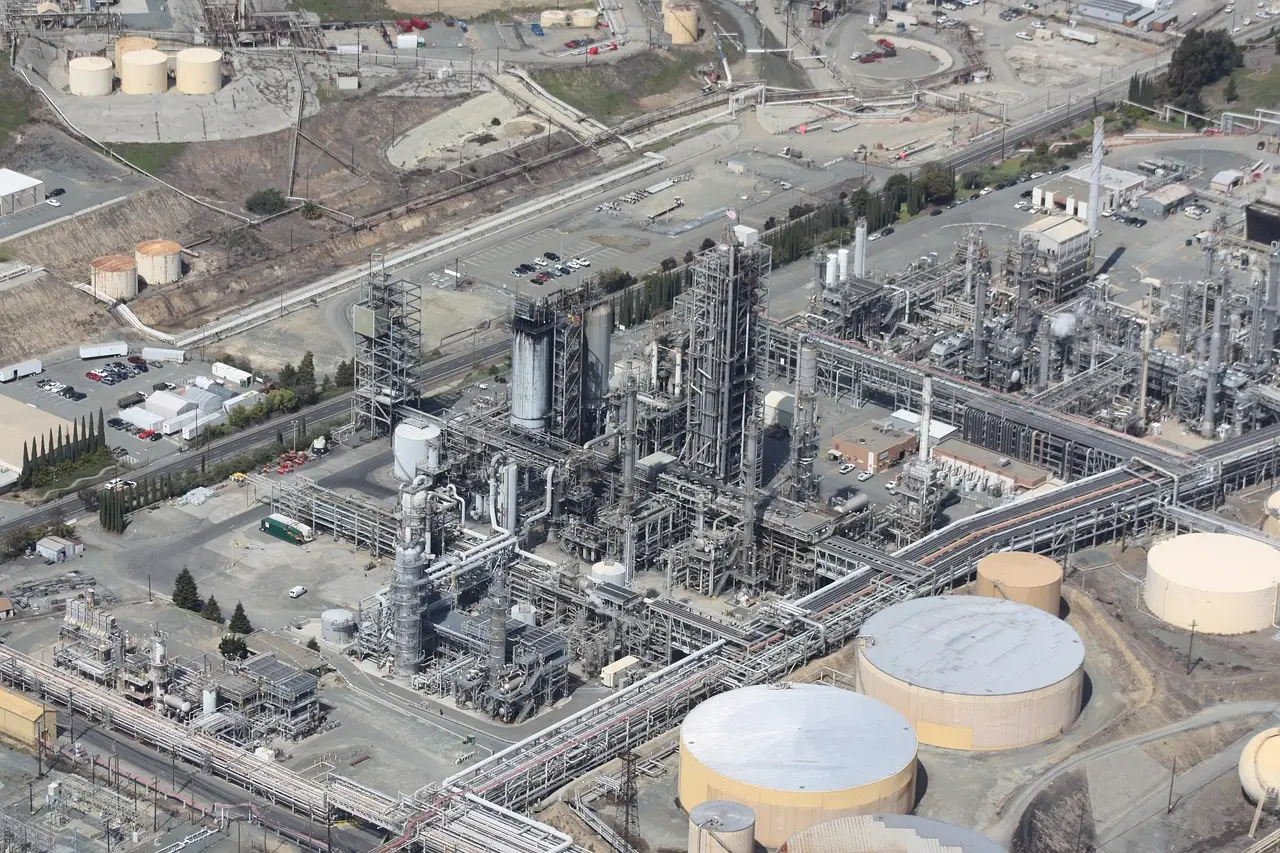
Iraq is exporting about 2.7 million barrels per day again, and its prime minister arrived in Beirut on Wednesday looking for ways to move more of it past the Strait of Hormuz. Ali al-Zaidi's visit to Lebanon is the latest leg in a regional push to build overland export corridors after the effective closure of Hormuz in late February choked flows that once reached 3.5 million bpd.
The numbers tell the recovery story plainly. Exports collapsed to roughly 200,000 bpd in May, according to the Ministry of Oil, before rebounding to 2.7 million bpd last month. The Iraqi-Turkish pipeline resumed pumping this week at an initial capacity of 120,000 bpd. Hormuz, in peacetime, carries one-fifth of the world's energy. That is the chokepoint Baghdad wants behind it.
What is on the table in Beirut?
Al-Zaidi's meetings with President Joseph Aoun, Prime Minister Nawaf Salam and Parliament Speaker Nabih Berri cover bilateral trade, customs exemptions, security coordination and countering drug trafficking. The oil item is the proposal to link Kirkuk crude, via the Syrian port of Baniyas, to Tripoli in northern Lebanon — reviving pipeline routes that have been dormant, in some cases, since before most current officials were born.
The Syria leg is already sanctioned in principle. Weeks ago in Damascus, al-Zaidi and Syrian President Ahmed al-Sharaa signed a cooperation agreement to rehabilitate the Kirkuk-Baniyas pipeline, with Chevron carrying out the work. The US Department of State put the initial transport capacity at 2 million barrels per day. Tamer Badawi, an associate fellow at the Royal United Services Institute, said the visit reflects US envoy Tom Barrack's "efforts to diversify Iraq's oil export routes across the region, particularly through Turkiye, Saudi Arabia, Syria and Lebanon."
"The broader ambition is to develop alternative export corridors connecting Iraq's oil infrastructure to regional networks," Badawi added.
Why Tripoli?
Lebanon's case rests on legacy steel. Tripoli's oil infrastructure carries three legacy lines with a historical peak capacity of 900,000 bpd, according to industry insiders. The local refinery, which in 1940 processed 21,000 bpd of Iraqi crude, shut in 1992, per the Lebanese Directorate General of Oil. The Basil Fuleihan Institute of Finance, an agency under Lebanon's Finance Ministry, called the terminal infrastructure "a goldmine of latent capacity" in a report this year.
The BFIF's moderate-flow scenario is 300,000 to 500,000 bpd, generating annual Lebanese revenues of $80 million to $275 million. For a country whose currency has lost more than 90 percent of its value since 2019, that is not trivial money.
Tripoli also has genuine maritime advantages. Its deepwater quays handle larger vessels, cutting freight costs per barrel and making Iraqi crude competitive in European and North American markets. The BFIF report notes the coastline is "naturally shielded from harsh southern winds and rough swells," keeping the port operational year-round while winter storms frequently close offshore loading at Banias.
Can Lebanon be circumvented?
Yes, and the analysts say so to its face. Iraqi crude would traverse some 250 km of Syrian territory before reaching Tripoli, and Syria operates its own Mediterranean outlets at Tartous, Latakia and the smaller Banias port. BFIF estimates Syria could handle 350,000 to 500,000 bpd between the Banias and Homs refineries — "a direct Mediterranean outlet that circumvents both the Suez Canal and the Strait of Hormuz."
Walid Marrouch, professor of economics at the Lebanese American University in Beirut, framed the stakes for Lebanon bluntly: "Lebanon can benefit, but if Lebanon does not get a seat at the table, it [could be circumvented] because Iraq can already reach the sea from Syria."
Transit crude would also help Damascus, where domestic output falls short, energy costs have provoked protests, and officials have warned of attacks on the Homs refinery.
The watch item is a tripartite Iraq-Syria-Lebanon framework — specifically, whether Beirut secures a formal seat at the table before the Chevron-led Kirkuk-Baniyas rehabilitation advances. The pipeline diplomacy is moving. Lebanon's window may not.
via aljazeera.com (Source)
More from Daniel Okafor
Show full bio
Market editor covering companies, deals and strategy in Oil and gas industry operations and markets at Rig & Refinery.
609 articles
Adjoining reports
- Iraq exports reach 3.5m bpd amid Hormuz shipping understanding
- Brent Slips Below $103 as Saudi East-West Pipeline Runs at Half Capacity
- Iraq Seeks Oil Export Routes Around the Strait of Hormuz
- Militia Strike on East-West Pipeline Underscores Hormuz Workaround Limits
- Saudi output climbs to 10.563 million bpd, near pre-war level