Well report No. RR-1859 · T17N · R39W · SEC 17 · filed November 12, 2026
Petroleum MarketsWell report
Saudi output climbs to 10.563 million bpd, near pre-war level
OPEC data show Saudi output at 10.563 million bpd in October, near February's pre-war level, as Gulf exporters route barrels around Hormuz via Yanbu and Fujairah.
Field notes
- Saudi Arabia pumped 10.563 million bpd in October, up over 2 million bpd from September and the highest since February's 10.882 million bpd.
- OPEC+ output reached 41.23 million bpd in October, 97 percent of its February level of 42.72 million bpd.
- OPEC held demand growth forecasts steady: +2.55 million bpd next year to 108.3 million bpd average, +180,000 bpd in 2026.
- In Japan's September imports, the UAE took a 49 percent share, the US 28 percent, Saudi Arabia 14 percent.
- US gasoline fell below $4 a gallon this week; PCE inflation hit a three-year high of 4.1 percent in May.
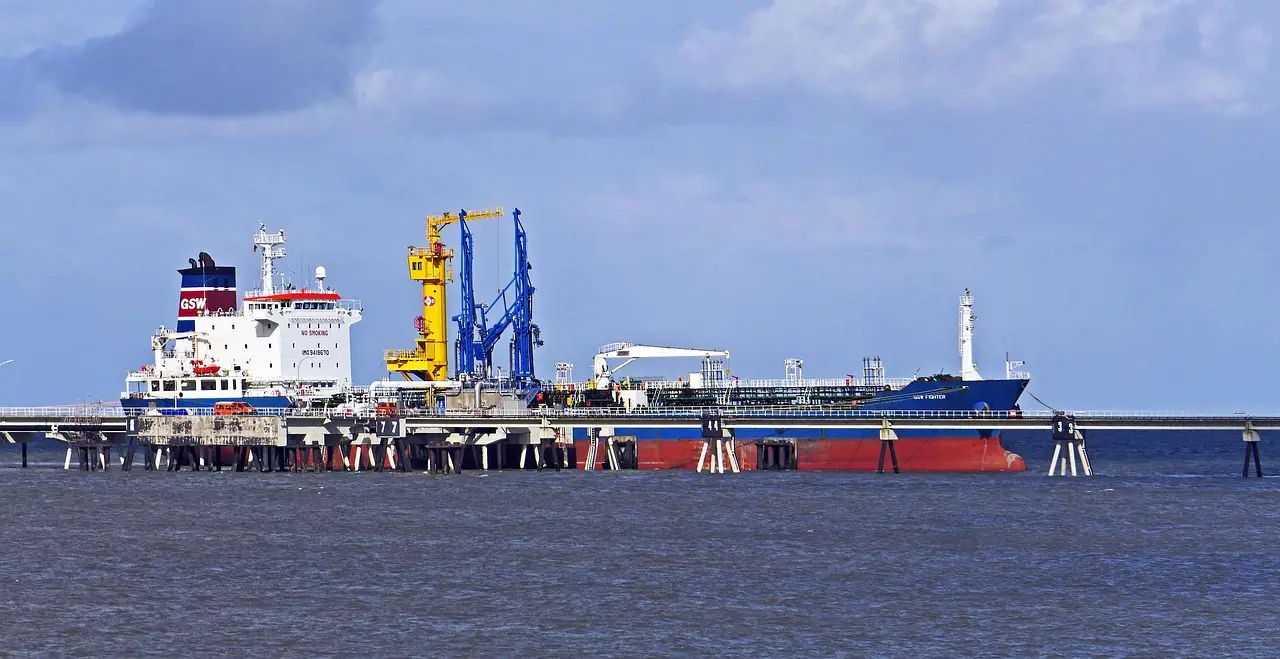
Saudi Arabia pumped 10.563 million bpd of crude in October, its highest monthly output since the war with Iran began in late February and within roughly 300,000 bpd of the 10.882 million bpd the kingdom produced that month, according to OPEC's monthly report published Wednesday.
The kingdom added more than 2 million bpd versus September, making it the single largest driver of OPEC+ supply growth. The wider group — OPEC plus Russia and other non-cartel producers — pumped 41.23 million bpd in October, up about 2.04 million bpd from September. That is 97 percent of the 42.72 million bpd OPEC+ produced in February, before the United States and Israel launched strikes on Iran and roughly one-fifth of global oil supply transiting the Strait of Hormuz was closed off.
Russia also raised output after US President Donald Trump lifted sanctions on Russian energy and announced an "energy ceasefire" between Ukraine and Russia in mid-October.
What is carrying Gulf barrels to market?
The recovery hinges on infrastructure that bypasses the Strait of Hormuz. Shokri credits one line in particular: "one reason Saudi Arabia has been able to recover some of its exports is its East-West Pipeline, which allows crude oil to move across the country to the Red Sea port of Yanbu without passing through the Strait of Hormuz."
That pipeline has come under attack. Houthi rebels in Yemen, who are fighting the Saudi-backed internationally recognised government in Aden, targeted the line again this week. Saudi exports have nonetheless stabilised, the report noted.
The UAE — no longer an OPEC member but still a top-tier supplier — holds a comparable advantage through its pipeline to Fujairah, which sits outside the strait, Shokri said. Gulf producers are also using ship-to-ship transfers as workarounds, the report's secondary-source data indicate.
The chokepoint lesson is not lost on producers. "The bigger picture is that Gulf countries are learning how costly dependence on a single maritime chokepoint can be," Shokri said. "They are looking for ways to make their exports more resilient, but Hormuz remains too important to the global energy market to be easily bypassed."
Japan, one of the world's largest economies, saw "crude imports fall sharply in September amid renewed disruptions to trade flows," the report said.
Who is supplying whom?
In Japan's September import mix, the UAE regained the top supplier position with a 49 percent share, up from 25 percent the previous month. The US came second at 28 percent, followed by Saudi Arabia at 14 percent. Other producers, including the US, have clawed back supply positions since the February disruption.
The takeaway for traders: Gulf exporters are recovering market share through bypass routes, but Hormuz still sets the risk premium.
What does more supply mean for prices?
Riyadh raised production sharply in February, ahead of the US and Israeli strikes on Iran. The downstream effect is now showing at US pumps: gasoline prices fell below $4 a gallon this week for the first time in months.
Umud Shokri, an energy strategist and senior visiting fellow at George Mason University, told Al Jazeera that rising Saudi production "could help ease some of the inflationary pressure facing American consumers."
"When more oil enters the global market, prices generally come under downward pressure, which can eventually translate into lower gasoline, transportation, and production costs in the United States," he said. "However, higher Saudi production does not automatically mean lower prices at American gas stations."
The inflation backdrop remains tense. US annual personal consumption expenditures hit a three-year high of 4.1 percent in May as energy prices soared. Cost-of-living concerns contributed to the Democratic Party's sweeping victories in last week's US midterm elections.
For refiners and marketers, the direction is set but not guaranteed: more Saudi barrels pull prices down only if Hormuz and the Red Sea routes stay open.
What did OPEC do with its forecasts?
OPEC left its global oil demand growth forecasts unchanged, breaking a run of six consecutive monthly cuts, and made no changes to its 2027 outlook.
The group expects global oil demand to rise by 2.55 million bpd next year to an average of 108.3 million bpd, and forecasts growth of 180,000 bpd in 2026.
For 2027, the report identifies Qatar, Canada, Brazil and Argentina as the drivers of growth in energy-related liquids production. It also offers an optimistic near-term view of the Middle East economy: "In 2027, the region's economy is expected to rebound and economic activity to recover, supported by a resilient non-oil sector and robust domestic demand."
The watch item: whether the East-West Pipeline to Yanbu holds under continued Houthi attacks — the single biggest variable between October's 10.563 million bpd and a genuine return to pre-war supply.
via aljazeera.com (Source)
More from James Calloway
Show full bio
Staff writer covering people, launches and day-to-day practice in Oil and gas industry operations and markets at Rig & Refinery.
597 articles
Adjoining reports
- OPEC+ Poised to Hold December Quotas as 2027 Baseline Talks Loom
- Saudi output rebound nears prewar level, tests market supply
- Gulf Crude Exports Back at Pre-War Levels as Dubai Slips to Contango
- Aramco CEO: rebuilding oil inventories could take two years
- Saudi East-West Pipeline Back at Roughly 3.5 Million BPD After Repairs