Well report No. RR-9394 · T22N · R48W · SEC 34 · filed October 10, 2026
Midstream & PipelinesWell report
Iraq resumes Kirkuk crude flows via Kurdish-route pipeline
Iraq has resumed crude oil shipments through the Kurdish-route pipeline to Turkey's Ceyhan terminal, ending a multi-month export halt on one of two northern crude arteries. Volumes remain unconfirmed.
Field notes
- Iraq resumed crude exports via the Kurdish-route pipeline to Ceyhan on an unspecified recent date
- The line had been shut for several months ahead of the restart
- No barrels-per-day throughput figure or startup date has been confirmed in the initial report
- Ceyhan terminal feeds the Mediterranean light-sweet pricing complex used by European refiners
- Kirkuk fields on the northern end of the line feed directly into Ceyhan via Kurdish-administered territory
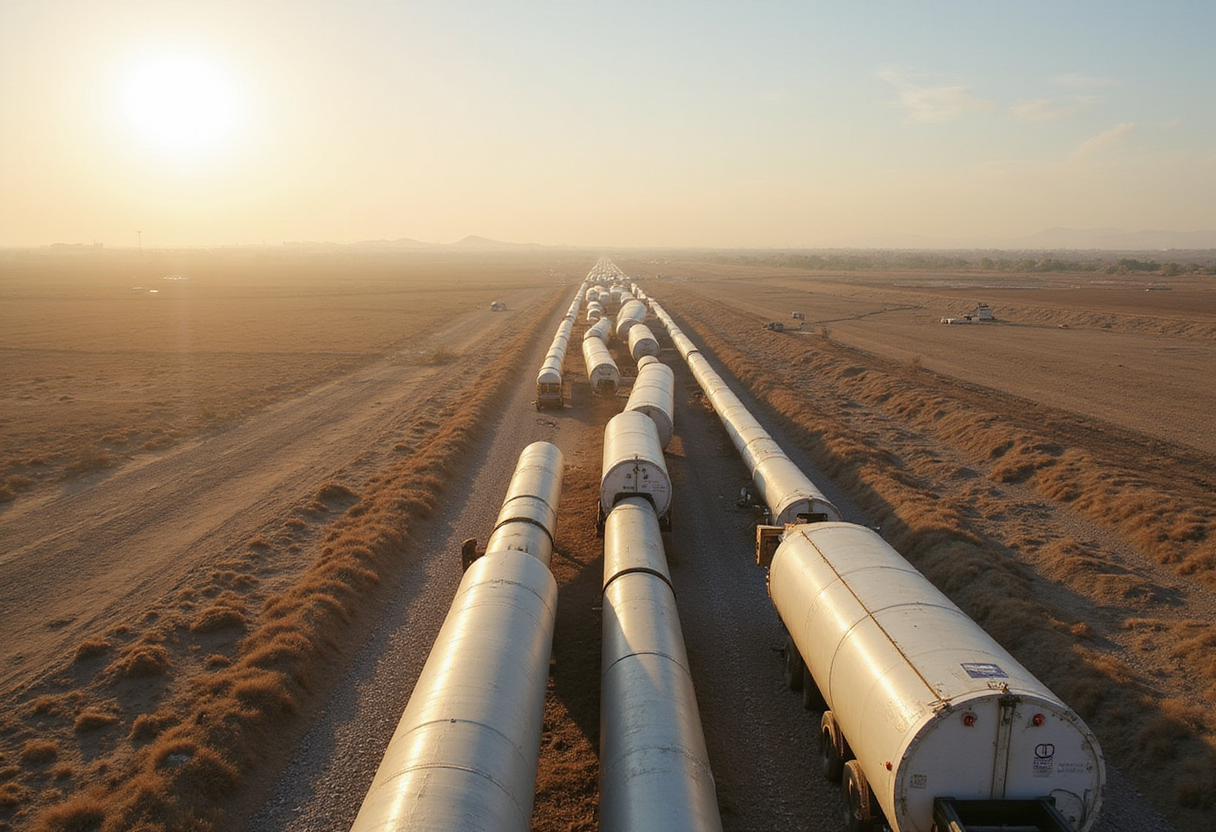
Iraq has resumed crude oil shipments through the pipeline crossing Kurdish-populated northern Iraq, restoring flows to the Ceyhan terminal on Turkey's Mediterranean coast that had been shut for several months.
The restart covers the Kirkuk-to-Ceyhan export line, one of two main arteries carrying northern Iraqi crude to international markets. The other route runs south through Baghdad-controlled lines to Persian Gulf terminals.
What does the reopening actually confirm?
The line is operating again. The initial reports do not carry:
- A specific startup date for the line
- An initial pumping rate in barrels per day
- Attribution to the Iraqi Ministry of Oil or the KRG Ministry of Natural Resources
- Confirmation of any new revenue-sharing or payment mechanism with Turkey
Without those datapoints, the report functions as a directional signal rather than a verified schedule. Until Baghdad, Erbil, or Ankara issues a statement, traders should treat the restart as confirmed motion on the ground that still lacks official paperwork.
Why does the route carry so much weight?
Kirkuk crude from the northern fields has historically fed directly into the light-sweet Mediterranean pricing complex. Ceyhan terminal storage and loading move barrels to European refiners and onto waterborne trade to Asia. A working Iraq-Turkey line shortens the route for northern volumes versus running those barrels south through federal pipelines to Gulf terminals.
When Kirkuk flows run hot, the Brent-Dubai spread typically compresses and Mediterranean refiners see less need to chase alternative light-sweet cargoes. When the line stops, demand for substitute grades in the Mediterranean rises, lifting regional prices across light-sweet barrels.
How did we get here?
The line's stop-start history traces back to the long-running dispute between Baghdad and the Kurdistan Regional Government over control of upstream production, export rights, and revenue allocation. Turkey's role as both transit country and, at times, payment intermediary has added a third layer of negotiation.
Each previous restart came bundled with revenue-sharing terms and, in some cases, an arrangement with Turkish state entities handling invoicing. The pattern has repeatedly been: stop, negotiate, briefly resume, argue over invoicing, stop again.
What are the watch items?
- First Ceyhan load date visible on ship-tracking platforms
- Daily throughput figure from the pipeline operator or terminal authority
- Iraqi Ministry of Oil statement confirming restart timing and committed volume
- KRG statement on producer allocations and field-level priorities
- Any signed or interim payment agreement with Turkish state entities
Until those datapoints land, the restart is a sign of motion rather than a confirmed supply schedule. The next ministry confirmation will tell operators whether the wider reopening is durable or another short-lived return to flow.
via Google News: Pipelines and midstream (Source)
More from Daniel Okafor
Show full bio
Market editor covering consumer brands and retail at Rig & Refinery.
321 articles
Adjoining reports
- Iraq Holds the Levers on Northern Exports; Ankara Sets the Clock
- Iraq Seeks Oil Export Routes Around the Strait of Hormuz
- Kirkuk Crude Flows Through Kurdistan Pipeline Reach 250,000 BPD
- Iraq-Syria Crude Pipeline Construction May Begin in Q1 2027
- Brent Holds Firm as Saudi East-West Pipeline Restarts Exports