Well report · filed November 28, 2026
Petroleum MarketsWell report
Iraq Seeks 6 Million bpd Baseline in OPEC+ Quota Fight
Iraq wants OPEC+ to count 6 million bpd of capacity toward its quota, against a contracted agency's 4.9 million bpd figure, as delegates agree in principle to hold Q1 2027 quotas flat.
Field notes
- Iraq's current OPEC+ quota is 4.431 million bpd; Baghdad claims 6 million bpd capacity.
- A third-party agency contracted by OPEC+ assessed Iraq's capacity at 4.9 million bpd.
- Three sources said OPEC+ has agreed in principle to keep Q1 2027 quotas unchanged.
- The UAE left OPEC in May after disputes over its production limits.
- US officials reportedly encouraged Iraq to consider leaving OPEC earlier this year.
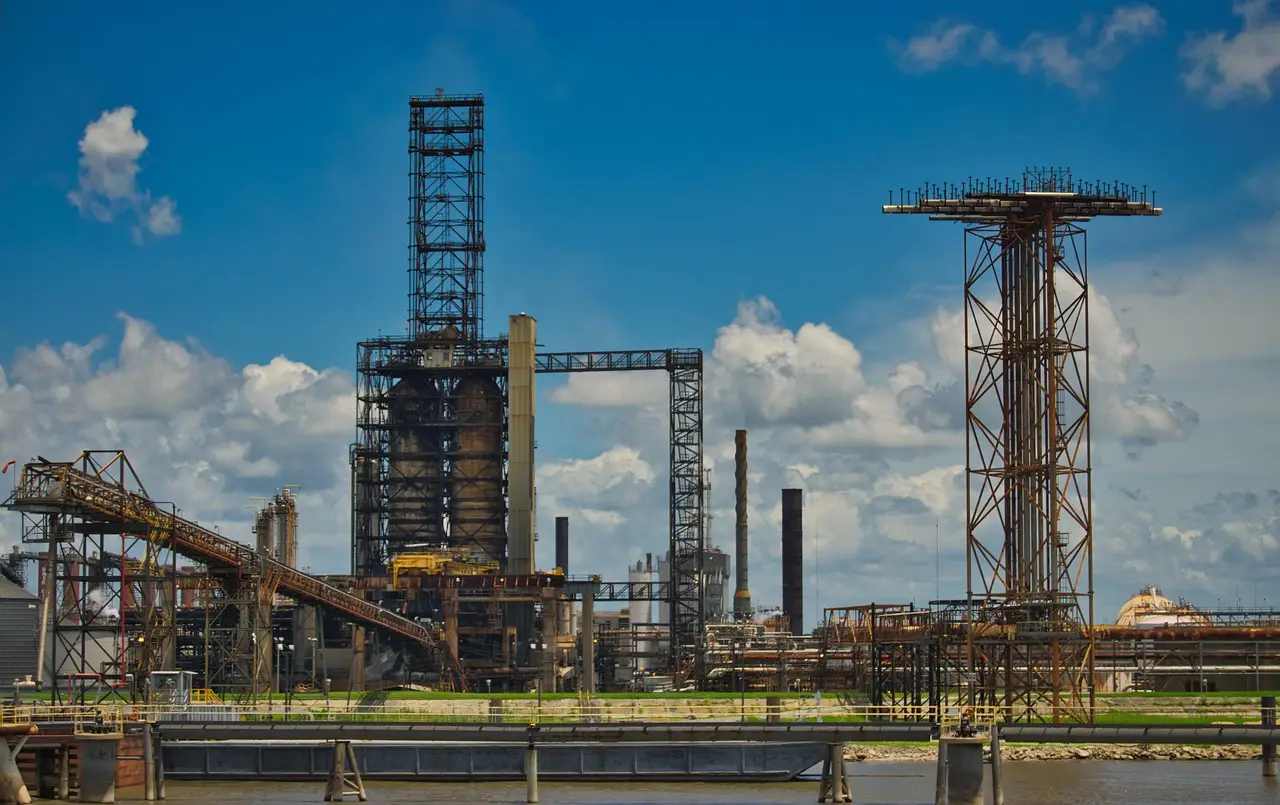
Iraq wants its OPEC+ quota calculated on a 6 million bpd production capacity baseline, Oil Minister Basim Mohammed Khudair said Friday, ahead of Sunday's OPEC+ meeting that will set production policy for 2027. The current quota stands at 4.431 million bpd, which translates to roughly 1.6 million barrels per day of output Baghdad claims it is entitled to but cannot pump under the existing ceiling.
For now, Iraq is unlikely to get the increase. Three sources told Reuters that OPEC+ members have agreed in principle to leave production quotas unchanged for the first quarter of 2027. That agreement is preliminary rather than an official decision, and the group has yet to resolve a broader disagreement over the production capacity figures it will use when setting future quotas.
Why the capacity number decides the fight
The dispute turns on a single figure. Baghdad argues a 6 million bpd capacity baseline, a 35% increase on its current 4.431 million bpd quota. But a third-party agency contracted by OPEC+ has assessed Iraq's capacity at a more conservative 4.9 million bpd. Under that number, Iraq gains roughly 470,000 bpd of headroom at most, a fraction of what Baghdad wants, and considerably less leverage in negotiations over a higher allowance.
The gap between 6 million and 4.9 million bpd is the whole story. Whoever's number prevails effectively sets Iraq's ceiling for years.
What is the US role in Iraq's push?
Iraq's quota campaign runs alongside reported American pressure to leave OPEC altogether. Reuters reported Friday that US officials encouraged Iraq to consider quitting the organization earlier this year. Iraq's prime minister reportedly raised the possibility at a government meeting, but the Oil Ministry objected and preferred negotiating for a bigger quota instead. The US State Department said its discussions with Iraq focused on energy infrastructure, not OPEC membership.
Washington reportedly made a similar approach to Venezuela, which is currently exempt from OPEC production quotas. For Caracas, leaving the organization would not immediately remove any production restrictions, which rather undercuts the exercise.
Does OPEC+ risk losing another member?
Should Iraq or Venezuela leave, either would join the UAE, which exited OPEC in May after years of disputes over its own production limits. Iraq has previously threatened the same path. The loss of another major producer would leave OPEC+ with less market clout at a moment when cohesion is already strained by capacity disagreements among members.
A producer group that cannot agree on how much its members can pump has a scheduling problem. Losing two more members would give it a relevance problem.
What to watch on Sunday
The Sunday meeting covers production policy for 2027. Delegates have signalled flat quotas for the first quarter, but the capacity-baseline dispute between Iraq's 6 million bpd claim and the contracted agency's 4.9 million bpd assessment remains unresolved, and it will shape every future quota negotiation. Baghdad's choice between pressing for a bigger allowance and following the UAE out the door is the market-moving decision, and the Oil Ministry has already signaled which way it leans: Khudair said Iraq needs a higher ceiling to develop its energy infrastructure.
via OilPrice.com (Source)
More from Daniel Okafor
Show full bio
Market editor covering companies, deals and strategy in Oil and gas industry operations and markets at Rig & Refinery.
642 articles
Adjoining reports
- Iraq Lifts Oil Exports to 3.6 Million Bpd Ahead of OPEC+ Quota Fight
- Iraq Presses OPEC for Major Increase in Its Crude Production Quota
- Iraq Seeks Larger OPEC Quota on Revenue Pressure, New Investment
- Iraq Aims to Double Oil Output, Wants OPEC Quota Relief
- Iraq Threatens OPEC Exit Unless Crude Output Quota Raised