Well report · filed November 29, 2026
Petroleum MarketsWell report
Tanker hits naval mine east of Strait of Hormuz, catches fire
Iran's navy says a tanker caught fire after hitting a naval mine east of the Strait of Hormuz; the army downed a reconnaissance drone over the strait as Houthis claimed five attacks on Saudi infrastructure.
Field notes
- Iranian navy said an oil tanker caught fire after hitting a naval mine east of the Strait of Hormuz on 29 November 2026.
- The Iranian army reported shooting down an enemy reconnaissance drone over the strait.
- Yemen's Houthis claimed five attacks on key Saudi infrastructure over 48 hours.
- The Saudi-led coalition said its forces struck Houthi assets used to launch attacks on Yemen and Saudi Arabia.
- No vessel name, cargo details, or casualty figures have been disclosed.
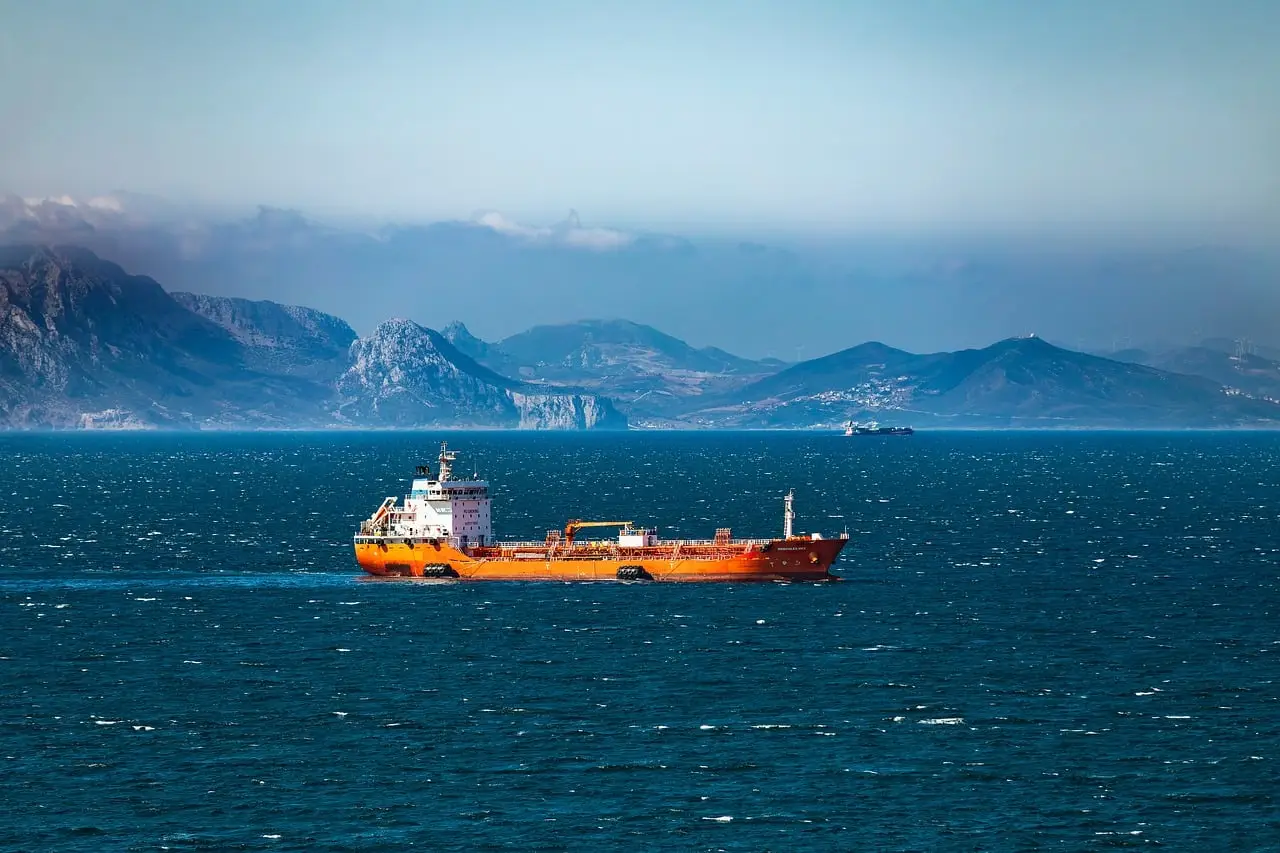
A tanker caught fire east of the Strait of Hormuz after striking a naval mine, the Iranian navy said on 29 November 2026. The incident occurred in the world's most heavily trafficked oil-shipping chokepoint, through which roughly a fifth of globally traded crude normally passes.
The Iranian army separately reported that it shot down an enemy reconnaissance drone over the strait. The navy did not disclose the tanker's name, cargo, flag state, crew status, or the precise position of the mine strike east of the waterway. No spill volume has been reported.
What do the reports actually say?
Two claims came from Iranian military channels on 29 November 2026:
- The navy said an oil tanker caught fire after hitting a naval mine east of the Strait of Hormuz.
- The army said its forces downed a reconnaissance drone over the strait.
Neither statement specified the vessel's operator, tonnage, or cargo, and neither gave a damage assessment or casualty count. The reports arrived amid continued regional fighting, though the Iranian statements did not attribute the mine to any party.
The Strait of Hormuz (the narrow passage between Iran and Oman connecting the Persian Gulf to the Gulf of Oman and the Arabian Sea) handles a large share of seaborne crude and condensate. Any mining incident in its approaches directly raises war-risk premiums for charterers and hull insurers, and can trigger route avoidance or speed restrictions by tanker operators.
Takeaway: a mine strike on a tanker in Hormuz's eastern approaches is a direct physical risk to crude logistics, whatever the vessel's cargo proves to be.
How does Yemen fit the picture?
Yemen's Houthis said they carried out five attacks on key Saudi infrastructure over the preceding 48 hours, according to their own statement on 29 November 2026. The group did not name the specific facilities targeted, describe the methods used, or claim damage assessments.
The Saudi-led coalition supporting Yemen's government gave its own account. It said coalition forces struck vital Houthi assets used to launch strikes on both Yemen and Saudi Arabia. The coalition statement likewise did not identify the targets struck or the weapons employed.
Both claims remain unverified by independent assessment. Trade press practice treats actor-issued battlefield claims from this conflict as unconfirmed until imagery, satellite data, or operator disclosures corroborate them.
The Houthis' five-attack claim matters for energy readers because Saudi infrastructure in past campaigns has included pumping stations, terminals, and desalination and power assets. This specific statement did not enumerate targets, so any facility-level attribution would be speculation at this stage.
Takeaway: two armed actors issued opposing strike claims within the same 48-hour window, and neither has been independently confirmed.
What are the open questions?
The verified facts are sparse. For the Hormuz incident, the critical unknowns are the tanker's identity, cargo, and condition. For the Yemen claims, the unknowns are the targeted facilities and the coalition's strike locations.
What follows is attributable reporting, not established fact: the Iranian navy attributes the fire to a naval mine, the army attributes the drone loss to an unidentified enemy, and the Houthi and coalition claims each describe the other side's losses.
The watch items
Three things will define this story for crude and product markets:
- The tanker's name, cargo, and operator disclosure — a laden VLCC (very large crude carrier, roughly 2 million barrels capacity) would move freight and insurance pricing far more than a small product tanker.
- Any confirmation of the five Saudi infrastructure attacks, particularly if they touch East-West pipeline pumping stations or Red Sea terminals.
- Salvage and traffic-control response in Hormuz's eastern approaches, and whether insurers re-rate the route.
The Strait of Hormuz remains the single chokepoint where a single mine can reprice the global crude freight market in a day. Watch for the vessel identification.
via aljazeera.com (Source)
More from Olivia Hart
Show full bio
Correspondent covering technology and product news in Oil and gas industry operations and markets at Rig & Refinery.
640 articles
Adjoining reports
- Tankers ablaze in Hormuz as drone alert halts Iraq's Khor Mor gas field
- Five Tankers Ablaze After Mine Strikes in Strait of Hormuz
- Six Tankers Struck by Mines in Hormuz; Brent Holds Mid-90s as Q4 Surplus Caps Rally
- Brent Holds Near $96 as Unverified Hormuz Mine Reports Rattle Traders
- Two tanker strikes reported near Oman in Strait of Hormuz