Well report No. RR-7982 · T16N · R30W · SEC 16 · filed November 18, 2026
Oilfield ServicesWell report
Kazakhstan Backs $85 Million Push Into Domestic Oil Equipment Plants
Astana targets 15 new oil and gas equipment plants worth $85 million, building on ten facilities opened since 2022 as procurement hit $8 billion in nine months.
Field notes
- Kazakhstan plans $85 million (37.7 billion tenge) for 15 new oil and gas manufacturing facilities, announced November 17.
- Ten facilities built in 2022–2025 drew $17.8 million and created over 350 jobs.
- Energy procurement reached about $8 billion in nine months, with domestic suppliers at 55%.
- Operators signed 75 contracts worth $179 million with domestic manufacturers since the start of the year.
- 19 equipment categories covering more than 160 products have been identified as in demand.
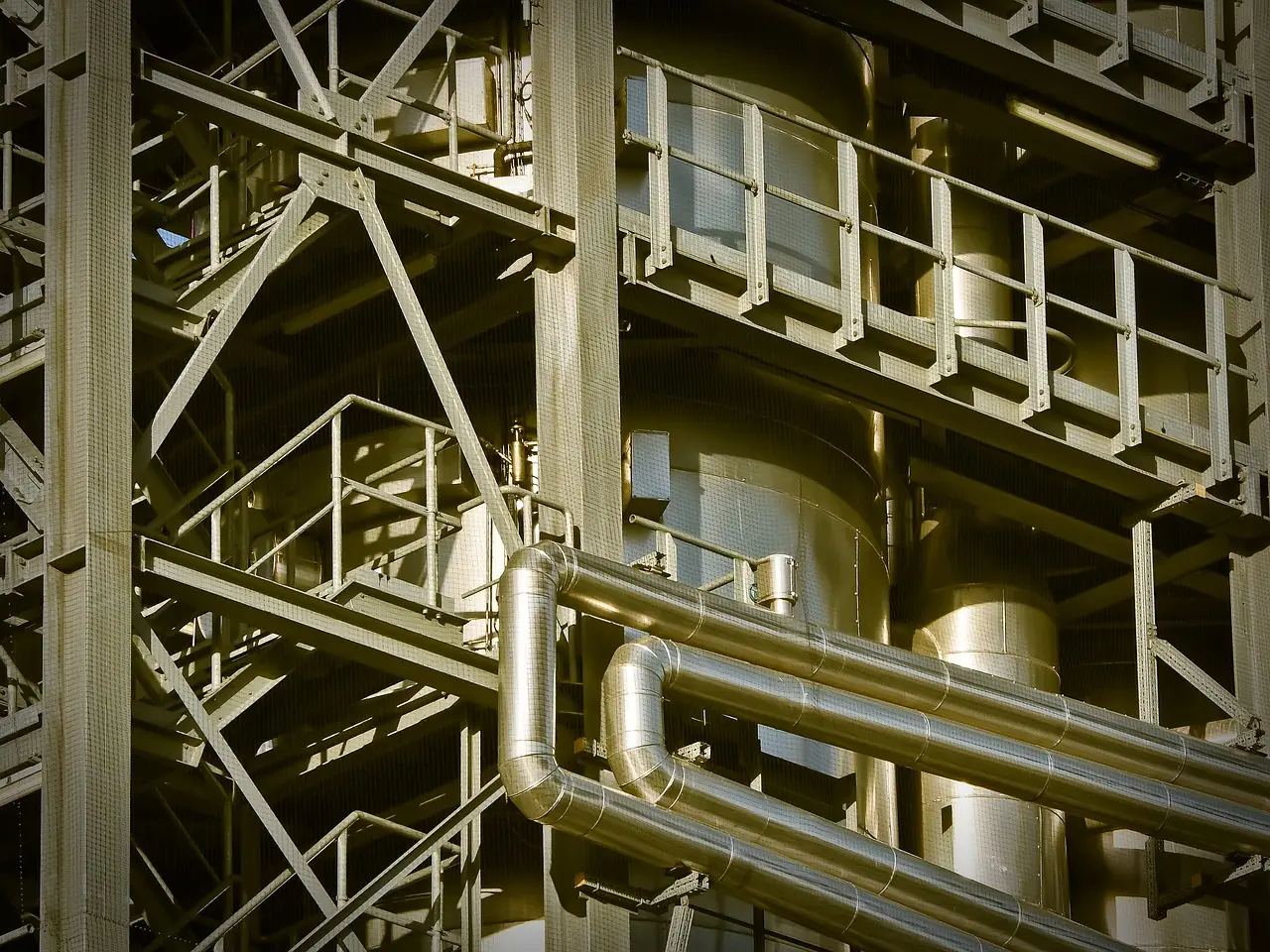
Kazakhstan plans roughly $85 million (37.7 billion tenge) in oil and gas manufacturing investment, targeting 15 new production facilities designed to reduce reliance on imported equipment, Energy Minister Yerlan Akkenzhenov told a government meeting on November 17.
The program is modest by upstream standards — less than half the cost of a single deepwater rig year — but the ambition is structural: capture more of the supply chain serving Central Asia's largest petroleum industry.
What is being sanctioned, and what is not
The 15 facilities remain at the planning stage. Akkenzhenov outlined cooperation with domestic and international original equipment manufacturers, but no operator has announced a final investment decision on the plants themselves.
The precedent is real, however. Ten manufacturing operations came online between 2022 and 2025, drawing about $17.8 million (7.9 billion tenge) and creating more than 350 jobs — an average of 35 jobs per facility, which calibrates expectations for the next round.
The takeaway: this is industrial policy at pilot scale, not a manufacturing boom.
How large is the addressable market?
The demand base sits with Kazakhstan's three flagship developments — Tengiz, Kashagan and Karachaganak — which require specialized equipment, maintenance services and continuous infrastructure spending.
The numbers are not trivial:
- Energy-sector procurement reached approximately $8 billion (3.55 trillion tenge) in the first nine months of the year.
- Domestic suppliers captured about 55% of that total.
- The Oil and Gas Machinery Development Center has identified 19 equipment categories covering more than 160 products in demand across the industry.
- Since the start of the year, operators have signed 75 contracts with domestic manufacturers worth about $179 million (79.7 billion tenge).
The last figure matters most. Long-term purchasing agreements give manufacturers revenue visibility, which is precisely what a $17.8 million track record struggles to provide on its own.
The takeaway: the market exists; the question is whether local plants can hold quality and price against established importers.
What does localization mean for foreign suppliers?
The government is also expanding financial support for international product certification, the gateway through which Kazakh manufacturers qualify to supply major operators. Seven domestic equipment makers already sell into Europe, North America and Asia.
For international oilfield service companies, the initiative cuts both ways. Joint ventures, technology partnerships and manufacturing investments offer entry routes. Set against that, rising domestic production could gradually erode demand for imported components — a slow squeeze, not a sudden one.
Institutional investors, meanwhile, are pointed toward industrial manufacturing, equipment servicing and supply-chain development rather than upstream exposure. Commercial returns will hinge on execution, product quality and whether operators keep signing purchase commitments once the subsidies fade.
The takeaway: the door is open to partnerships, but the import-replacement trend runs one direction.
The watch item
Kazakhstan is following a familiar script among resource-producing states — build industry around the barrel, not just the barrel. The $85 million program succeeds or fails on two tests: whether new manufacturers secure long-term demand, and whether they can compete with incumbent international suppliers without permanent protection.
Watch for certification awards and the next tranche of operator contracts with domestic plants. Those, not the headline investment figure, will tell whether this policy has traction. For now, the program is a reasonable bet on a market already spending $8 billion a year — placed at pilot scale, deliberately.
via oilandgas360.com (Source)
More from Daniel Okafor
Show full bio
Market editor covering companies, deals and strategy in Oil and gas industry operations and markets at Rig & Refinery.
609 articles