Well report No. RR-2673 · T15N · R20W · SEC 27 · filed October 19, 2026
Refining & PetrochemicalsWell report
Lamu Port logs second Dangote refinery equipment shipment
Lamu Port cleared a second Dangote-bound equipment shipment this week, People Daily reports. The cargo landed on Kenya's Indian Ocean coast, with the full logistics chain still undisclosed.
Field notes
- Lamu Port received its second batch of equipment bound for the Dangote refinery, per People Daily.
- The Dangote refinery sits in Lekki, Lagos, on Nigeria's Atlantic coast.
- Lamu Port lies roughly 5,500 kilometres east along Kenya's Indian Ocean coast.
- No vessel name, tonnage, equipment type, or delivery date appears in the available reporting.
- The next vessel arrival and accompanying customs manifest remain the operational watch items.
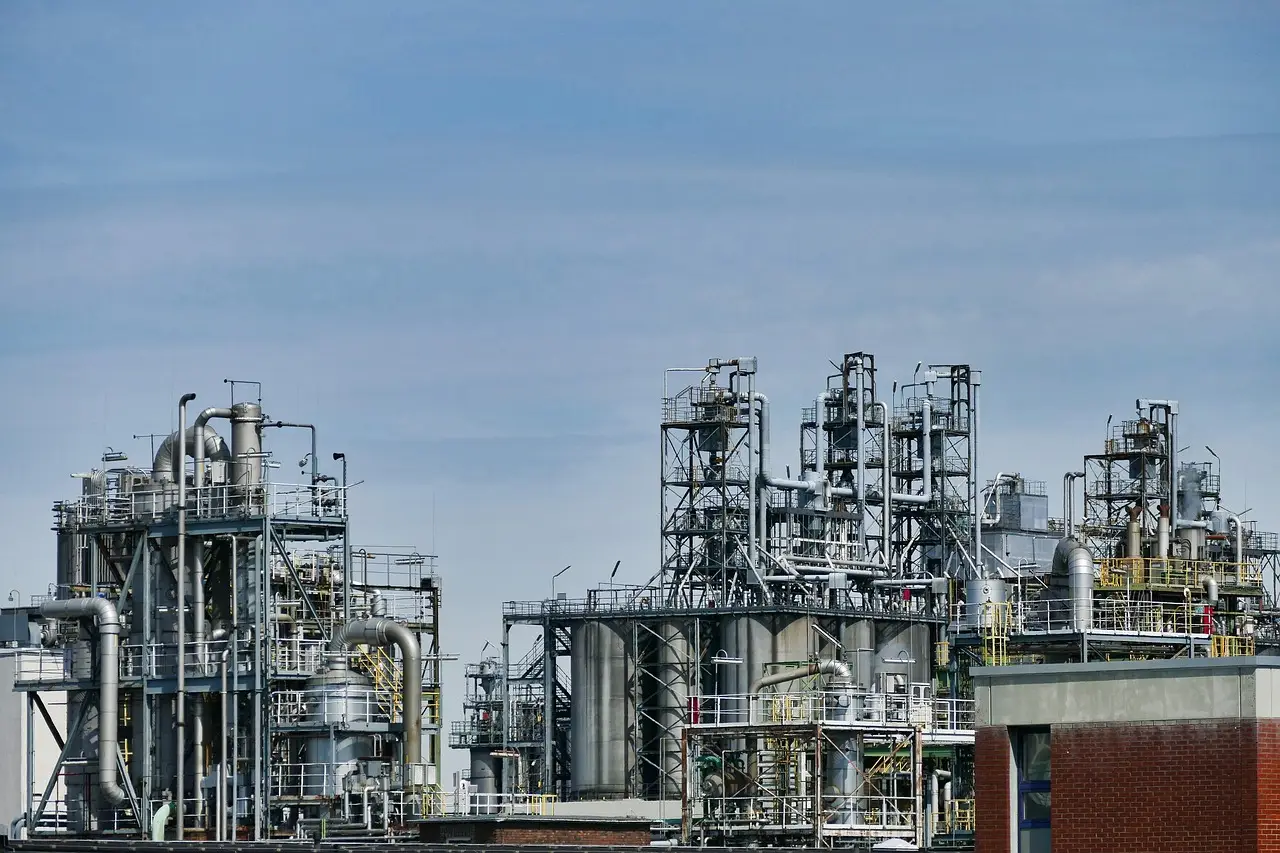
Lamu Port took delivery this week of its second batch of equipment bound for Nigeria's Dangote refinery, People Daily reported. The cargo landed at the Kenyan Indian Ocean facility, routing refinery modules more than 5,000 kilometres from their point of origin.
What do we actually know?
Not much. The People Daily headline establishes two facts: equipment arrived, and a prior shipment preceded it. That is the entire verified record on this desk. No vessel name appears in the available wire copy. No tonnage figure surfaces. No delivery date for the Lekki refinery surfaces either. No customs manifest (the document listing cargo contents, weights, and declared values) has been published.
Headlines sometimes carry more than the body text below them. Here, the headline is the body text. Readers should hold that distinction firmly while the full reporting remains behind the original paywall.
Why route through Kenya?
The Dangote refinery sits in Lekki, Lagos, on Nigeria's Atlantic coast. Lamu sits on Kenya's Indian Ocean coast, separated by roughly 5,500 kilometres of open sea. The detour invites obvious questions.
Lamu's deepwater berths were built to accommodate capesize-class carriers (bulk vessels exceeding 150,000 deadweight tonnes, the standard measurement of a ship's carrying capacity). Nigerian approaches to Lekki have long constrained module deliveries, with vessel size and channel depth both limiting factors. A Lamu transshipment could clear draught restrictions (the minimum water depth needed beneath a vessel's hull) that West African ports cannot. Equipment could then transfer to smaller vessels for the final leg.
But that is an inference, not a confirmation. The People Daily report does not address the routing logic at all.
What is the equipment?
The People Daily headline names no equipment type. No module manifests surface. No weight tonnage appears. No vessel name is disclosed. Refinery module shipments typically arrive with detailed customs documents, pre-announced schedules, and engineering specifications. The lack of granular detail here suggests the report covers a discrete unloading event rather than a full logistics briefing.
One sentence longer for contrast: a column vessel (a tall pressure-processing tower used to separate hydrocarbon fractions by boiling point) or a heavy pipe-rack assembly (prefabricated structural frame carrying interconnecting piping) would be the kind of load heavy enough to warrant Lamu's deeper berths rather than a direct West African landing, though nothing in the source confirms either category.
What isn't being said
Three items stay dark in the available reporting. One: which construction sub-phase the cargo supports. Two: whether the equipment is original to an unfinished train (a processing unit within the refinery complex) or replacement inventory for an operating unit. Three: which freight forwarder, customs broker, or inland carrier handles the Lamu-to-Lekki leg, a route crossing at least six international borders and several customs jurisdictions.
Each gap is small on its own. Together they leave the reader guessing at scale, cost, and timing.
What to watch next
The next shipping signal worth tracking is the next batch. A third Lamu-bound cargo within the calendar quarter would institutionalise the routing as standard operating procedure. No third shipment, by contrast, would suggest a one-off diversion driven by a single vessel's berth requirements or a single charterer's schedule.
Watch item: the next vessel arrival at Lamu, and the customs manifest that follows it through the Kenya Revenue Authority's public filings.
via Google News: Refineries and petrochemicals (Source)
More from Priya Raman
Show full bio
Senior reporter covering technology and product news in Oil and gas industry operations and markets at Rig & Refinery.
566 articles
Adjoining reports
- Ruto: Dangote-Backed Refinery at Lamu to Break Ground Next Week
- Dangote Lines Up $17 Billion Lamu Refinery Partnership in East Africa
- Museveni, Ruto Launch Dangote East African Refinery at Lamu
- Ruto Breaks Ground on Dangote East Africa Refinery at Lamu
- Ruto Tells Dangote No One Will Extort Him Over Lamu Refinery