Well report No. RR-9086 · T8N · R25W · SEC 32 · filed October 18, 2026
Gas & LNGWell report
LNG Canada Weighs Doubling Capacity at British Columbia Terminal
Canada's first major LNG export terminal, at Kitimat, BC, plans to double capacity. No volumes, costs, or dates disclosed yet — the expansion stays in the study-stage column for now.
Field notes
- Canada's first major LNG export terminal plans to double its capacity.
- The terminal is located at Kitimat, British Columbia.
- No capacity figure, cost estimate, or timeline was disclosed in the report.
- No FID date or regulatory filing accompanied the announcement.
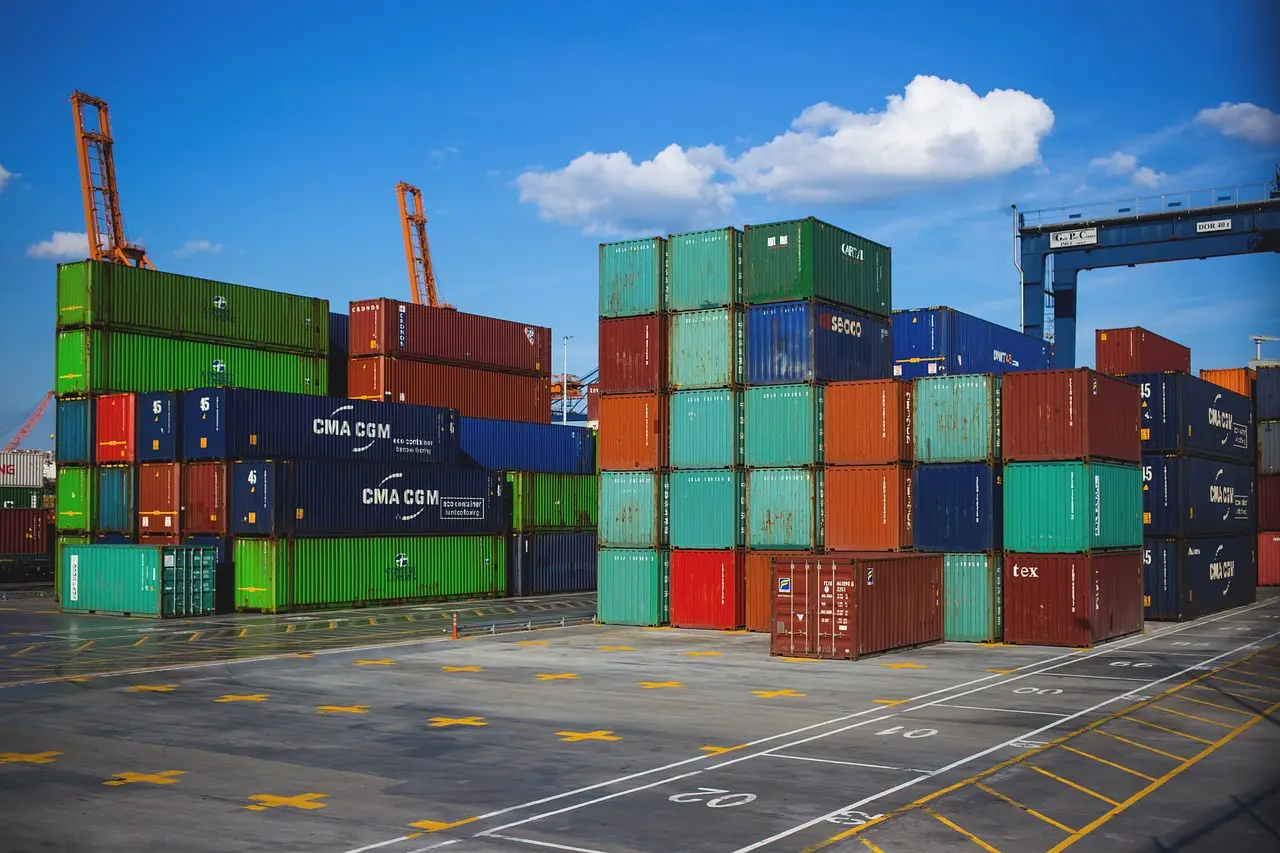
Canada's first major liquefied natural gas export terminal wants to double its capacity. That is the headline. The detail file, so far, is thin — and buyers of expansion stories should read the fine print before pricing anything in.
The facility at issue is LNG Canada's terminal at Kitimat, British Columbia, the country's first large-scale LNG (liquefied natural gas, gas cooled to liquid form for ship export) outlet. Its backers are now planning to roughly double the site's export capacity, according to a report carried by Newser.
What do we actually know?
The confirmed claim is one sentence long: the terminal's owners plan to double capacity. That is it. And in LNG, that single verb carries a lot of unstated weight.
A doubling at an LNG terminal can mean several things:
- Additional liquefaction trains (processing units that chill gas into LNG) alongside existing ones;
- Debottlenecking and efficiency work inside the current plant footprint;
- New Feed gas supply agreements and pipeline expansions to feed bigger export volumes.
The report does not say which path applies here. It also does not give a capacity figure, a cost estimate, or a timeline. Until those numbers land, this sits in the appraisal-and-study bucket, not in the sanctioned-project column that our readers track for steel-in-the-ground certainty.
Why the silence on numbers matters
Expansion talk at an operating LNG terminal is cheap. Sanctioned capacity is not. The distance between a stated intent to double and a final investment decision (FID, the board-level commitment that releases capital) is where most megaproject schedules quietly stretch by years.
Kitimat's terminal already carries the usual West Coast constraints: feed gas pipeline capacity into British Columbia, indigenous consultation requirements, and a Coastal export market competing directly with US Gulf Coast cargoes. Any doubling plan will run through all three. None of that appears in the source report.
So treat the claim as a signal of commercial ambition, not an engineering commitment. Companies float capacity targets to test supplier and offtaker appetite. They cut metal after contracts close.
The competitive context
A doubled Kitimat would deepen Canada's foothold in Pacific Basin LNG trade, where Asian buyers have been diversifying supply since 2022. Canada spent a decade watching its gas resource landlocked behind US pipelines; Kitimat was the first concrete answer to that. A second phase would extend the argument.
But context is not confirmation. No offtake agreements, no contractor awards, and no regulatory filings appear in the report. Without those, the doubling remains a plan on paper.
Watch item: the next hard number — a stated capacity in million tonnes per annum, an FID date, or a permit filing to Canadian regulators. Until one appears, this story is direction, not destination.
via Google News: LNG export terminals (Source)
More from Priya Raman
Show full bio
Senior reporter covering technology and product news in Oil and gas industry operations and markets at Rig & Refinery.
552 articles
Adjoining reports
- LNG Canada Eyes Doubling of Capacity at Kitimat Export Terminal
- LNG Canada Plans to Double Output at British Columbia Terminal
- Canada's First Major LNG Export Terminal Plans to Double Capacity
- Canada's First Major LNG Export Terminal Plans to Double Capacity
- Canada's First Major LNG Export Terminal Eyes Capacity Doubling