Well report No. RR-1039 · T21N · R45W · SEC 21 · filed November 8, 2026
Petroleum MarketsWell report
Midterm result lifts AI project scrutiny as Brent recovers
U.S. midterm results knocked nearly 4% from the Nasdaq and cloud data-center spending, while Brent recovered near $95 amid renewed Strait of Hormuz tanker risk.
Field notes
- The Nasdaq Composite fell nearly 4% Thursday morning and sat more than 10% below its Oct. 6 record.
- Brent traded near $95 a barrel after dropping below $100 for the first time in roughly two months.
- Brent recovered toward $95 after a roughly 20% weekly decline linked to diplomatic expectations after the U.S. election.
- Candidates favoring data-center restrictions or oversight won in Texas and Georgia.
- Major technology companies have committed billions of dollars to data centers, computing equipment and supporting infrastructure.
Daniel Okafor
What did the election do to AI infrastructure stocks?
The Nasdaq Composite fell nearly 4% during Thursday morning trading after U.S. midterm results revived investor doubts about returns from artificial-intelligence infrastructure.
More than 10% below its Oct. 6 record, the Nasdaq entered correction territory. The Philadelphia Semiconductor Index also came under significant pressure.
Oil & Gas 360 linked the move to Democratic victories and investor reassessment of expected returns on large data-center spending. Investors had welcomed greater political certainty on Wednesday, after Democrats secured control of both chambers. Thursday's technology decline followed that broader rally.
Democratic candidates supporting restrictions or increased oversight of data-center construction won in Texas and Georgia, two important markets for large-scale computing infrastructure. Investors are weighing whether scrutiny of electricity consumption, environmental impacts and utility costs could delay future development.
President Donald Trump retains veto authority, limiting Congress's ability to enact major legislation without bipartisan support. The selloff also reflects pre-existing concerns about technology valuations, financing costs and profitability.
Several major technology companies have committed billions of dollars to new data centers, computing equipment and supporting infrastructure. That spending raises questions about future cash flow and investment returns. The selloff combines a new political constraint with older doubts about whether rapidly expanding artificial-intelligence infrastructure can justify billions in committed capital through adequate investment returns.
Takeaway: The vote raises scrutiny, not a halt, for data centers backed by billions in commitments.
What changes for gas, nuclear, renewables and transmission?
Data-center development has become an important driver of projected electricity-demand growth. That outlook supports investment in natural-gas generation, nuclear power, renewable energy and transmission infrastructure.
A slower construction schedule could change the timing of those investments. It need not eliminate long-term demand.
Utilities, natural-gas producers and infrastructure developers must test whether forecast electricity demand justifies current capital commitments. Slower data-center schedules could defer spending across gas generation, nuclear capacity, renewable buildout and transmission, although the source does not establish any reduction in long-term electricity requirements.
The report named no sanctioned data-center, generation or transmission project whose status changed after the election. No appraisal-stage data-center or generation proposal was identified either. Accordingly, this is a market-timing analysis, not a project-cancellation notice.
Takeaway: Power investment may move right, but the source offers no evidence that long-term data-center demand has disappeared.
What does Brent's $95 rebound show?
Brent futures traded near $95 per barrel during Thursday's session. The benchmark had fallen below $100 for the first time in roughly two months.
Oil & Gas 360 attributed the roughly 20% weekly decline to investors anticipating possible diplomatic progress after the U.S. election, including reduced tension with Iran. Brent then recovered from that selloff.
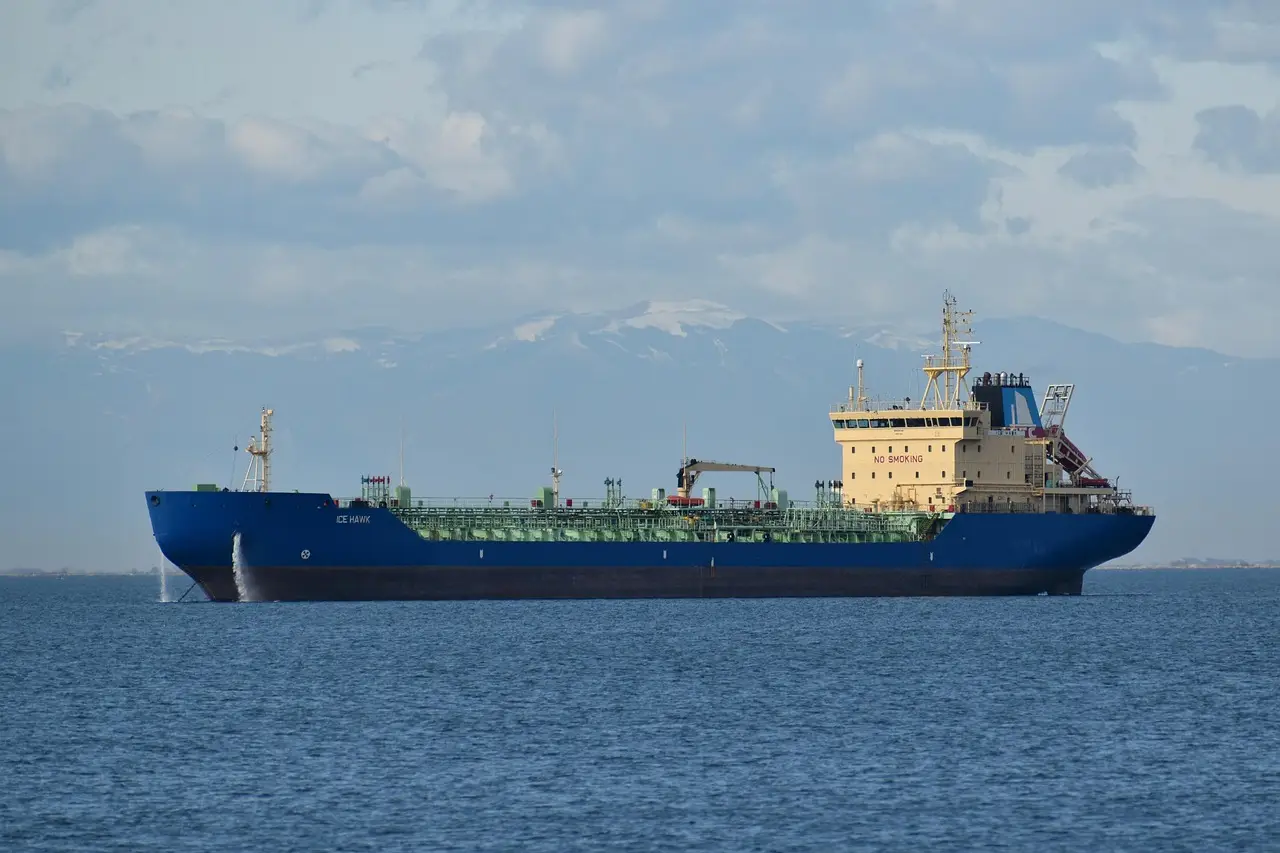
Renewed tanker incidents in the Strait of Hormuz complicate the diplomatic optimism by reviving concern over maritime security and the reliability of Middle Eastern petroleum shipments. Iran reported additional vessel damage Thursday.
The report framed two forces working against each other: recovering regional exports and possible diplomatic negotiations on one side, renewed military escalation on the other. For upstream oil companies, commodity volatility remains the operating variable. Brent's rebound did not remove the shipping risk.
Takeaway: The oil market has priced diplomacy and Hormuz risk at the same time.
What should operators and investors watch?
Oil & Gas 360 said the divergence between AI equities and crude prices reinforces the need for "separating political expectations from operating fundamentals." For institutional investors, that means judging utilities, natural-gas producers and infrastructure developers on forecast demand and committed capital, not election headlines alone. Upstream oil companies still face volatile commodity prices.
The coming months will test both the economics of artificial-intelligence power investment and the durability of the recovery in global oil supplies under shifting political expectations.
The source presents its analysis as informational, not investment, legal or financial advice. It says the views use publicly available information and market conditions at publication, which can change without notice.
Watch for state-level data-center scrutiny in Texas and Georgia. The key margin test is whether forecast electricity demand still justifies committed data-center and power-infrastructure spending.
via oilandgas360.com (Source)
More from Daniel Okafor
Show full bio
Market editor covering companies, deals and strategy in Oil and gas industry operations and markets at Rig & Refinery.
596 articles