Well report No. RR-7541 · T3N · R35W · SEC 15 · filed November 8, 2026
Petroleum MarketsWell report
Brent Back Above $96 as Gulf Shipping Incidents Offset Midterm Selloff
Brent rebounded $2.30 to $96.92 after an 8% selloff, as Gulf shipping incidents and 15-year-low inventories offset surplus barrels and midterm-driven hopes for Iran talks.
Field notes
- Brent rose $2.30 to $96.92/bbl Thursday after falling more than 8% Wednesday to $94.62.
- At least five vessels reported incidents in the Persian Gulf since Sunday, per Reuters.
- JPMorgan estimates the global market flipped to a 1.4 million bpd surplus in October.
- Commercial stocks in major consumers are near 15-year lows, per XAnalysts.
- Eurasia Group puts renewed US strikes on Iran at 60% probability; escalation scenario sees Brent at $110-125.
By Priya Raman
Brent crude futures climbed $2.30, or 2.43%, to $96.92 per barrel by 11:43 a.m. Eastern Thursday. West Texas Intermediate gained $2.15, or 2.44%, to $90.27. The rebound came one day after both benchmarks fell more than 8% to their lowest settlements since August 31 — Brent at $94.62, WTI at $88.12.
That is a violent two-day swing. It reflects a market trading headlines, not barrels.
What drove Wednesday's selloff?
Wednesday's decline reflected expectations that Democratic midterm victories would raise political pressure on President Donald Trump to negotiate an end to the Iran conflict. Analysts pushed back on that read almost immediately. The new Democratic-controlled Congress does not take office until January, so the election result changes nothing about U.S. foreign policy today.
Thursday's price action suggests traders accepted that caveat. What nobody can price yet is whether the White House itself shifts course.
What is happening in the Strait of Hormuz?
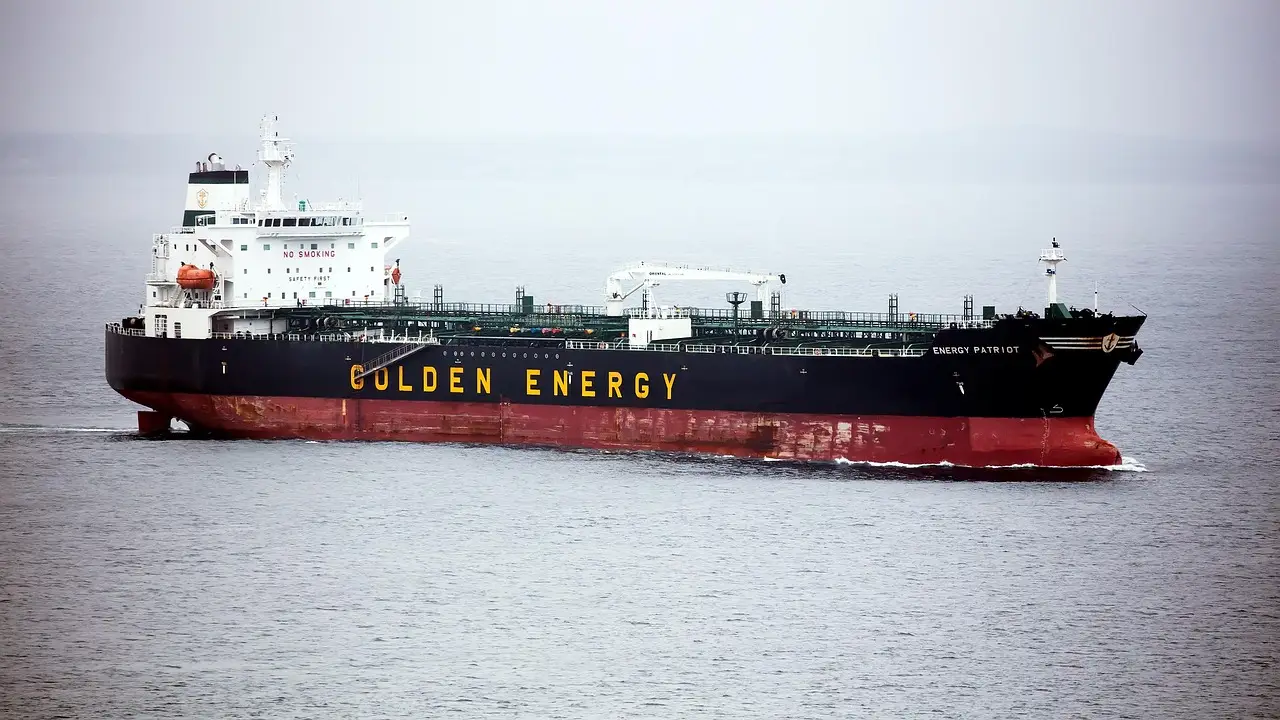
Security incidents around the Strait of Hormuz — the chokepoint carrying Middle Eastern crude and LNG to global markets — intensified this week.
- Iran's Islamic Revolutionary Guard Corps said two oil tankers and a tugboat caught fire after using unauthorized shipping routes.
- At least five vessels have reported incidents in the Gulf since Sunday, according to Reuters.
The IRGC claim deserves scrutiny. "Unauthorized shipping routes" is Tehran's framing, and independent verification is absent from the reporting so far.
Yet the physical flow numbers cut the other way. Crude shipments through Hormuz have recovered to nearly prewar levels. Transportation costs remain elevated, but Gulf exports are moving again.
Do fundamentals support $96 oil?
JPMorgan estimated the global petroleum market returned to a surplus of about 1.1 million barrels per day in September, widening to 1.4 million bpd in October. A surplus that size normally pressures prices, not lifts them.
The offset is inventories. Commercial petroleum stocks in major consuming countries sit near their lowest levels in 15 years, according to energy consultancy XAnalysts. The U.S. Energy Information Administration reported draws across crude, gasoline and distillate inventories last week, with petroleum demand hitting its highest level in a year.
So the market is loose on flow but tight on storage. That combination leaves little buffer if Hormuz disruptions return.
What do the political risk numbers say?
Eurasia Group cut its probability of renewed U.S. strikes on Iran to 60% from 65%. It also lowered the odds of a negotiated agreement to 10% from 20%, and raised the probability of a prolonged standoff to 30%.
Read that carefully. Strikes remain the single most likely scenario, and the negotiation path just halved. Eurasia warned renewed escalation could push Brent into a $110-$125 per barrel range.
That is a forecast, not a fact. But a 60% strike probability with 15-year-low inventories is a real tail risk.
What does this mean for refiners and producers?
Higher crude supports upstream cash flow. It also raises feedstock costs for refiners and could pressure consumer fuel demand at the pump. For integrated players, the net effect depends on where their barrels sit in the chain.
The watch item is straightforward: whether diplomacy reduces shipping risk, or renewed hostilities undo the recovery in Middle Eastern exports. Inventory data and Hormuz transit figures will tell the story before the political rhetoric does.
via oilandgas360.com (Source)
More from Priya Raman
Show full bio
Senior reporter covering technology and product news in Oil and gas industry operations and markets at Rig & Refinery.
594 articles
Adjoining reports
- Brent Slips Below $112 as Hormuz Attacks Fail to Lift Oil Before Midterms
- Brent set for 16% weekly decline as Iran diplomacy lifts hopes
- Oil falls as Iran strike odds ease amid persistent infrastructure risk
- WTI Jumps 2.1% to $93.78 on Saudi Attacks Near Hormuz
- Brent Slides to $100.60 as Traders Price In a U.S.-Iran Deal