Well report No. RR-7889 · T21N · R7W · SEC 33 · filed October 13, 2026
Upstream Drilling & ProductionWell report
Nigeria Hits 1.84 Million Barrels, Meets OPEC Quota Fifth Month Running
Nigeria pumped 1.84 million bpd, meeting its OPEC quota for a fifth straight month — its longest compliance stretch, though durability remains unproven.
Field notes
- Nigeria's oil output reached 1.84 million barrels per day.
- The country met its OPEC production quota for the fifth consecutive month.
- The compliance streak is Nigeria's longest sustained run at target.
- The figures were reported by Premium Times based on the latest monthly output data.
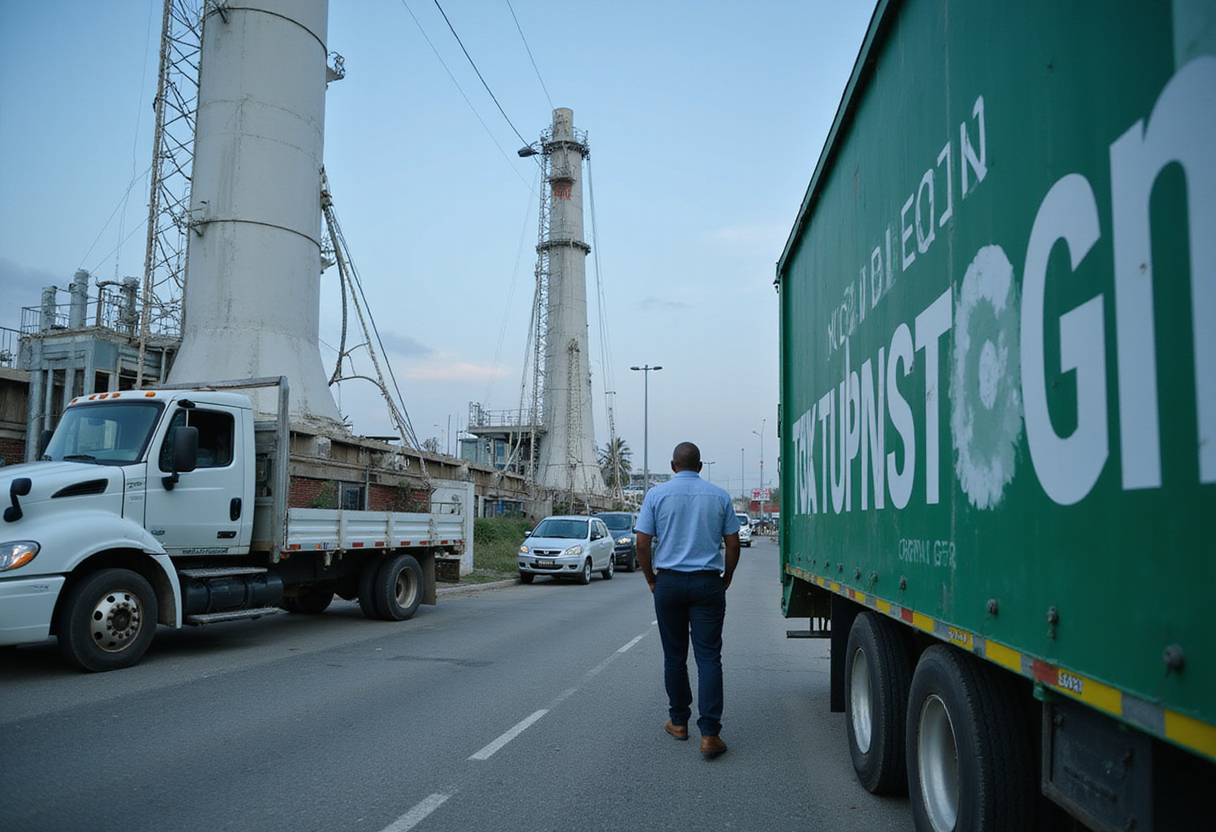
Nigeria pumped 1.84 million barrels per day, meeting its OPEC production quota for the fifth consecutive month, according to a Premium Times report on the latest output figures.
For a country that spent years as the cartel's most visible overproducer — pumping above its assigned ceiling while lawmakers and operators argued about why — five straight months at target is the operational headline. It's not a gusher of a number. It's a discipline number, and in OPEC's world those tend to matter more.
The 1.84 million bpd figure lands Nigeria at its OPEC-assigned level, extending a compliance streak that began earlier this year. Each month the country holds the line, the streak becomes harder to dismiss as a fluke of measurement or a quiet stretch of outages doing the work that policy couldn't.
Why five months of compliance matters
Meeting quota is partly a production story and partly a metering story. Nigeria's output has historically been hard to pin down — secondary sources and direct communication rarely agreed, and the gap between the two often ran wide enough to hide a mid-sized field.
A five-month run at the ceiling suggests two things are lining up. First, the barrels are actually flowing at a rate the country is willing to report. Second, the restraint is holding even when it's tempting to push harder, which is the whole point of a quota.
The takeaway in plain words: Nigeria is doing what it signed up to do, and doing it repeatedly.
What the number does for the broader picture
The 1.84 million bpd figure matters beyond Abuja. OPEC+ has spent much of the past two years managing supply against a market that keeps surprising on both sides — demand that won't die, and non-OPEC supply that won't stop growing. Every member that holds quota makes the group's math easier.
Nigeria's streak comes at a moment when the cartel's production policy is under constant scrutiny, and compliance from a historically loose member tightens the group's overall position by one country's worth of credibility.
It also matters for Nigeria's own fiscal arithmetic. Oil revenue remains the backbone of the federal budget, and a steady, verifiable production base gives planners something to build on that a boom-and-bust curve never did.
The caveats worth keeping in view
Five months is a streak, not a regime change. Nigeria's production history is a long lesson in how quickly things slip — a pipeline breach, a theft surge in the Niger Delta creeks, a turnaround that runs long, and the compliance column flips back to red.
The report does not break down how much of the current output is crude versus condensates, a distinction OPEC accounting treats differently and one that has historically flattered Nigeria's headline numbers. Nor does it detail which fields or terminals drove the month's performance.
So the honest read is: the streak is real, the direction is right, and the durability is unproven.
The watch item now is whether the streak reaches six. Nigeria's next monthly output reading — and how it reconciles against OPEC's secondary-source estimates — will say more about whether this is a new baseline or another good run.
via Google News: OPEC and oil markets (Source)
More from Elena Vasquez
Show full bio
News editor covering technology and product news in Oil and gas industry operations and markets at Rig & Refinery.
433 articles