Well report No. RR-1446 · T10N · R4W · SEC 34 · filed October 10, 2026
Refining & PetrochemicalsWell report
NRL Tenders 800 m³/hr Cooling System for 2.4 KTPA Assam Hydrogen Plant
Numaligarh Refinery has floated a tender for an 800 m³/hr cooling water system to serve a 2.4 KTPA green hydrogen plant at its Assam complex, per Trending Now Sustainable Construction.
Field notes
- Tender covers an 800 m³/hr cooling water system
- Plant capacity is 2.4 KTPA (kilotons per annum) of green hydrogen
- Issued by Numaligarh Refinery Limited for its Assam site
- Package is sized to serve an electrolyzer-based hydrogen facility
- Bid call represents an early long-lead equipment package for the hydrogen unit
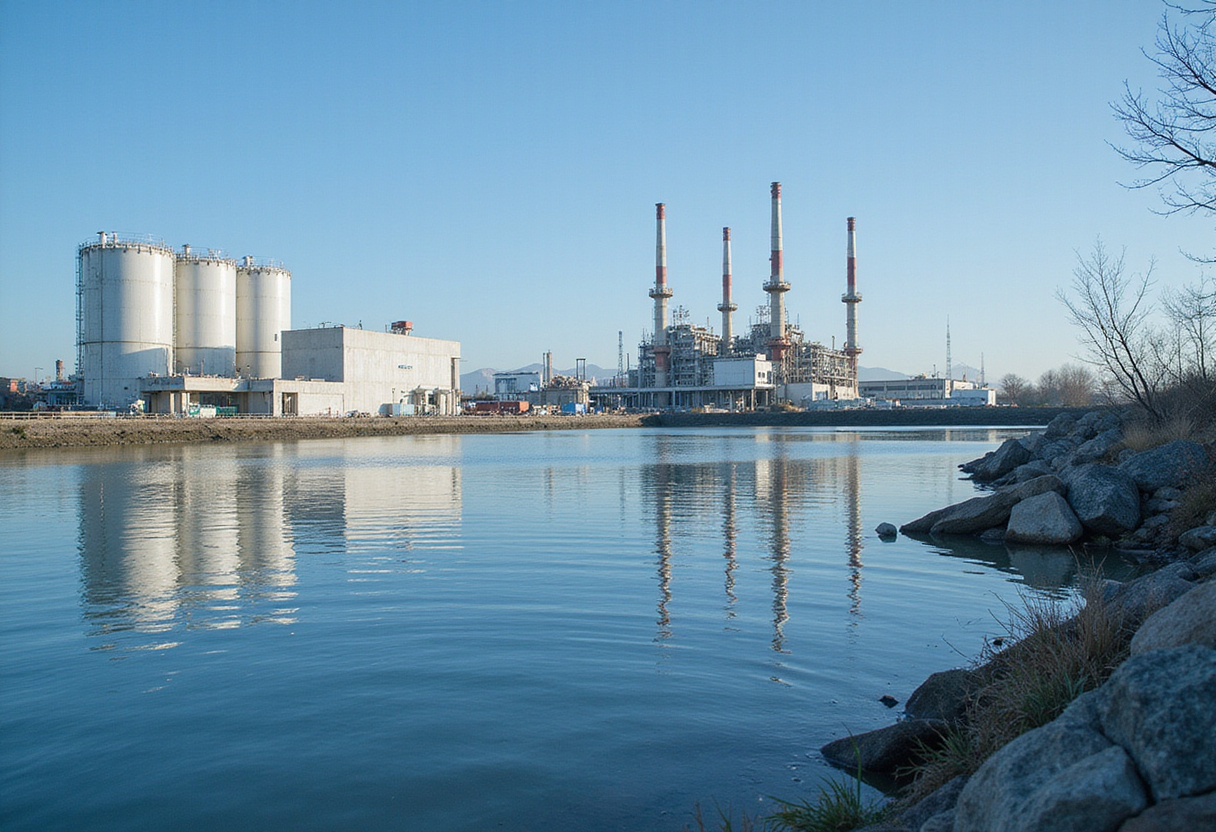
Numaligarh Refinery has floated a tender for an 800 m³/hr cooling water system to serve a 2.4 kilotonnes-per-annum (KTPA) green hydrogen plant at its Assam complex, according to tender coverage carried by Trending Now Sustainable Construction.
The bid call is one of the first tangible long-lead equipment packages to move to market for Numaligarh Refinery Limited's (NRL) electrolyzer-based hydrogen unit. The scope sits inside the publicly owned refiner's wider decarbonization track at the Golaghat-district site.
What does the tender specify?
The 800 m³/hr flow rate points to a medium-scale process cooling duty — sized to reject the heat load from electrolyzer stacks and the downstream hydrogen compression, drying and buffer-storage trains required to deliver 2,400 metric tons of green hydrogen per year. Bidders are typically expected to quote induced-draft cooling towers, circulation pumps, water-treatment packages, and the interconnecting piping tie-ins that feed the hydrogen plant's balance-of-plant. Cooling water supply at this scale also implies make-up water treatment, biocide dosing and a cooling-tower blow-down handling philosophy — items that bidders will need to address in their technical submissions.
How does it fit the site?
NRL's Numaligarh refinery is one of the Indian public-sector downstream assets positioned as a northeast hub for cleaner fuels. The 2.4 KTPA hydrogen unit is small relative to the site's overall hydrocarbon throughput, but it represents an early electrolyzer pilot at an Indian downstream location, and the cooling-water package is among the first equipment items to be tendered for that facility. Green hydrogen offtake from the unit will be available for captive refining use — hydrotreating and hydrocracking operations at the complex — or for dispatch to emerging mobility and industrial demand in the northeast.
Why a cooling water package now?
Process cooling represents one of the longer delivery items on any electrolyzer project, with cooling-tower fabrication, structural work and piping prefabrication all requiring months of lead time. Bidding the package ahead of the electrolyzer and transformer-rectifier procurement compresses the overall schedule and de-risks the mechanical-completion target for the hydrogen plant.
What to watch
The watch item is the bid closing date and the awardee. Industry EPC contractors and cooling-tower OEMs will track whether the tender attracts domestic fabricators — a likely outcome given NRL's public-sector ownership and India's Make-in-India preference for refinery capex — or international OEMs seeking a reference project in India's emerging green-hydrogen build cycle. A follow-on tender for the electrolyzer stacks themselves should be expected once the cooling-water award is concluded.
via Google News: Refineries and petrochemicals (Source)
More from Elena Vasquez
Adjoining reports
- NRL invites bids for green hydrogen project in Assam
- Croatia's First Green Hydrogen Plant Under Construction at Rijeka
- Yinson Production and Eni amplify gas capacity on African FPSO
- Pipetech Opens 950 m2 Sandnes Base After £500,000-Plus Norway Investment
- Xinran Bids $260 Million for Gas Pipeline Compressor Package