Well report No. RR-8910 · T10N · R46W · SEC 10 · filed November 8, 2026
OffshoreWell report
Offshore Wind Forecasts Fall 40% as Offshore CAPEX Rises to $744B
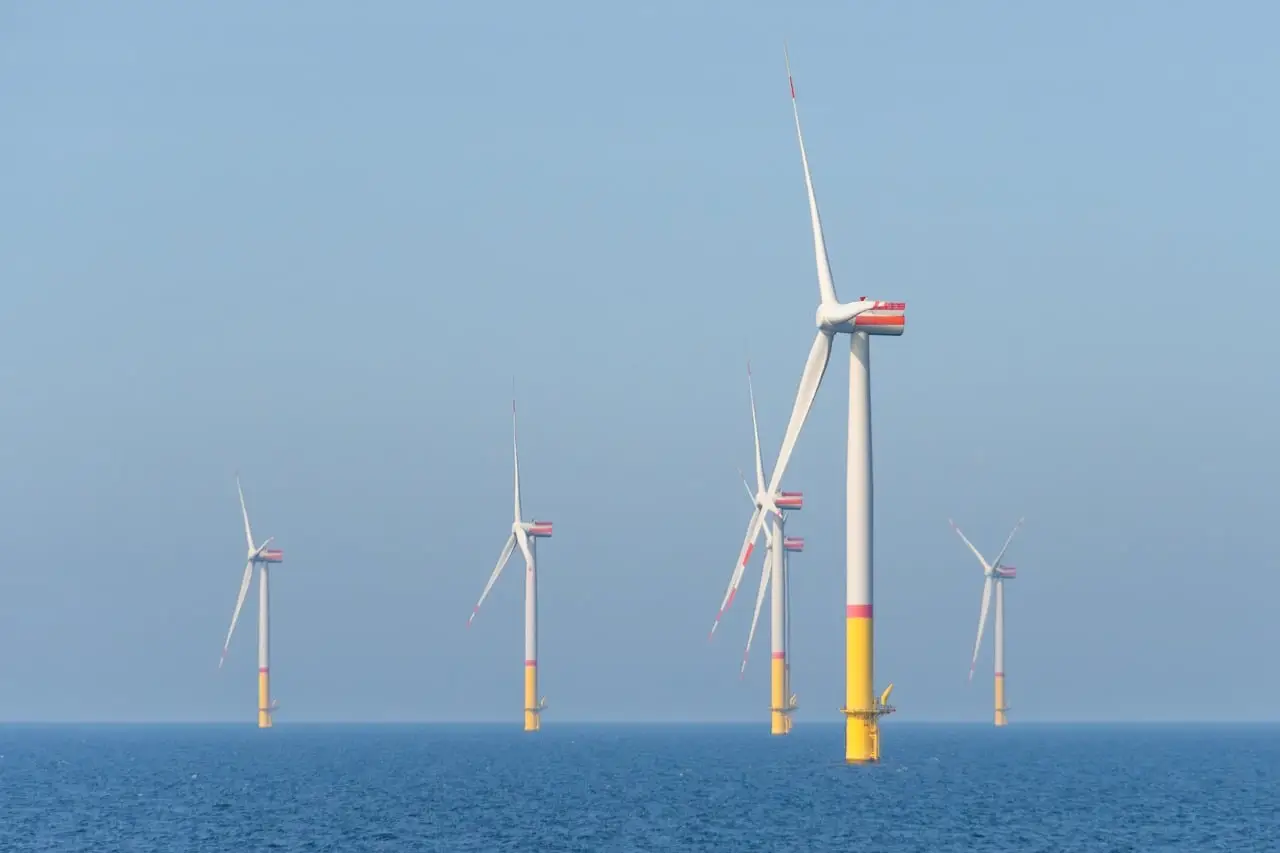
Europe’s supply chain can build 50 GW of offshore wind a year, but project slippage and missing financial closure have cut forecasts and left vessels idle.
Field notes
- Offshore energy CAPEX rises from $500 billion to $744 billion over successive five-year periods.
- Offshore wind holds 56% of offshore energy spending; analysts cut its forecasts by 40%.
- The supply chain can build 50 GW annually; Europe’s build target has moved to 5 GW.
- European construction rises from 2 GW last year to 6 GW this year.
- Oil and gas represents 42% of energy spending; carbon capture represents 2%.
By Daniel Okafor
Offshore energy capital spending will rise from $500 billion to $744 billion over successive five-year periods, but offshore wind forecasts have been cut 40%.
What changed in offshore wind?
Delegates at IMCA’s annual conference in Antwerp last week heard Westwood Global Energy Group senior analyst Peter Lloyd-Williams tie the 40% cut to rising inflation, higher interest rates, pressure for stronger investment returns, project and timeline slippage, and developers leaving the market. The $744 billion outlook represents a $244 billion increase, nearly half again the earlier five-year outlay.
Lloyd-Williams called the sector “an uncertain picture in offshore wind.” Offshore wind still held 56% of offshore energy spending. Developers favored expanding existing developments rather than starting new ones, although Lloyd-Williams expected continued growth as more regions entered the market.
Within total energy spending, oil and gas accounted for 42% and carbon capture 2%. Lloyd-Williams said governments appeared more willing to support projects financially. He also described oil and gas growth as elevated and expected an especially active 2026.
Takeaway: Offshore wind retains a majority of offshore energy spending, but financing and timing now set its pace.
Can Europe build 50 GW of offshore wind each year?\n
Hugo Bouvy, managing director of DEME’s Offshore Energy segment, said: “The supply chain is ready to build 50GW a year – there are no bottlenecks but there are threats from the lack of financial closure of projects.” His assessment points to excess industrial capacity, not a shortage of ships or factories.
He said Europe already had more than enough wind turbine installation vessels, or WTIVs, and cable layers. Yet many vessels stood idle because too few wind farms entered construction, even as spending on service operation vessels increased. Repeated investment cycles left assets idle and could push prices higher as owners tried to recover lost money, according to Bouvy.
Bouvy urged continuous construction of both wind farms and oil and gas projects to keep factories and vessels working. Europe needed to build its own factories and vessels while securing a steady flow of work. The industry owns the tools. The pipeline supplies the work.
Bouvy called for wiser project decisions and a transition without repeated stop-start investment cycles. He argued Europe should stop developing smaller wind farms, scale up larger ones and give the supply chain more room to build. He also said electricity from Hinckley Point would remain expensive.
Takeaway: The equipment can expand quickly, but a thin construction pipeline leaves expensive capacity underused.
Can Europe combine lower costs with a domestic supply chain?
Susannah Streeter, a former BBC business anchor and conference moderator, said China could perform the work much more cheaply. She asked whether Europe should prioritize cheaper energy overall or allow offshore wind to take off. Bouvy said the answer required a mix.
He rejected a system in which Europe bought all products from one part of the world while selling nothing there. That model would cost jobs, he said, because domestic suppliers would lose the work and capacity. Europe needed to make products itself and remain competitive.
Takeaway: Europe cannot import its way to lower costs without weakening the industry that builds its wind farms.
Why does Europe need more offshore wind?\n
Tinne Van der Straeten, WindEurope chief executive, said European sea bases should become powerhouses for the continent and called electrification the first line of defence. She put offshore wind at 20% of electricity supply, while electricity accounted for a quarter of total energy use.
Imported fossil fuels carried both availability and price uncertainty, she said. Europe needed more home-grown electricity to reduce that exposure.
Europe had the capacity and capability to build at least 10 GW of offshore wind per year, but its build target had moved to 5 GW. That left half the stated capacity unused. Europe built 2 GW last year and was building 6 GW this year, a threefold increase but still short of the 10 GW benchmark.
She said the mismatch meant Europe was not using its supply chain. Idle factories would close, she warned, and the closures would cost jobs.
Takeaway: A threefold increase in construction does not close the gap between Europe’s 6 GW build and 10 GW capacity.
What should Europe watch?\n
The watch item is financial close: whether enough projects secure financing and enter construction to sustain the pipeline.
Takeaway: Europe must convert the $744 billion capital outlook into financed construction; until then, capability will outrun the build rate.
via maritimejournal.com (Source)
More from Daniel Okafor
Show full bio
Market editor covering companies, deals and strategy in Oil and gas industry operations and markets at Rig & Refinery.
560 articles