Well report · filed November 23, 2026
Petroleum MarketsWell report
Oil Curve Pays War Premium Now, Prices $56 WTI for 2033
Front-month WTI settled at $83.41 and Brent at $92.57 on Nov 20, but the long-dated strip slides toward $56 by 2033 as the IEA projects surplus while OPEC holds a demand view nearly 4 mb/d higher.
Field notes
- WTI Jan 2027 settled at USD 83.41/bbl on 20 November, +1.16%; Brent Jan 2027 at USD 92.57, +0.64%
- IEA projects a 1.7 million b/d global surplus in Q4 2026; OPEC sees 2027 demand at 108.3 mb/d, nearly 4 mb/d higher
- Long-dated strip slides to USD 56.19 WTI and USD 65.15 Brent by Dec 2033
- Hormuz flows were cut roughly 20% versus October at times; Middle East shipments are rebounding
- OPEC+ ministers meet 29 November; 1–3 week bias is sideways to slightly lower
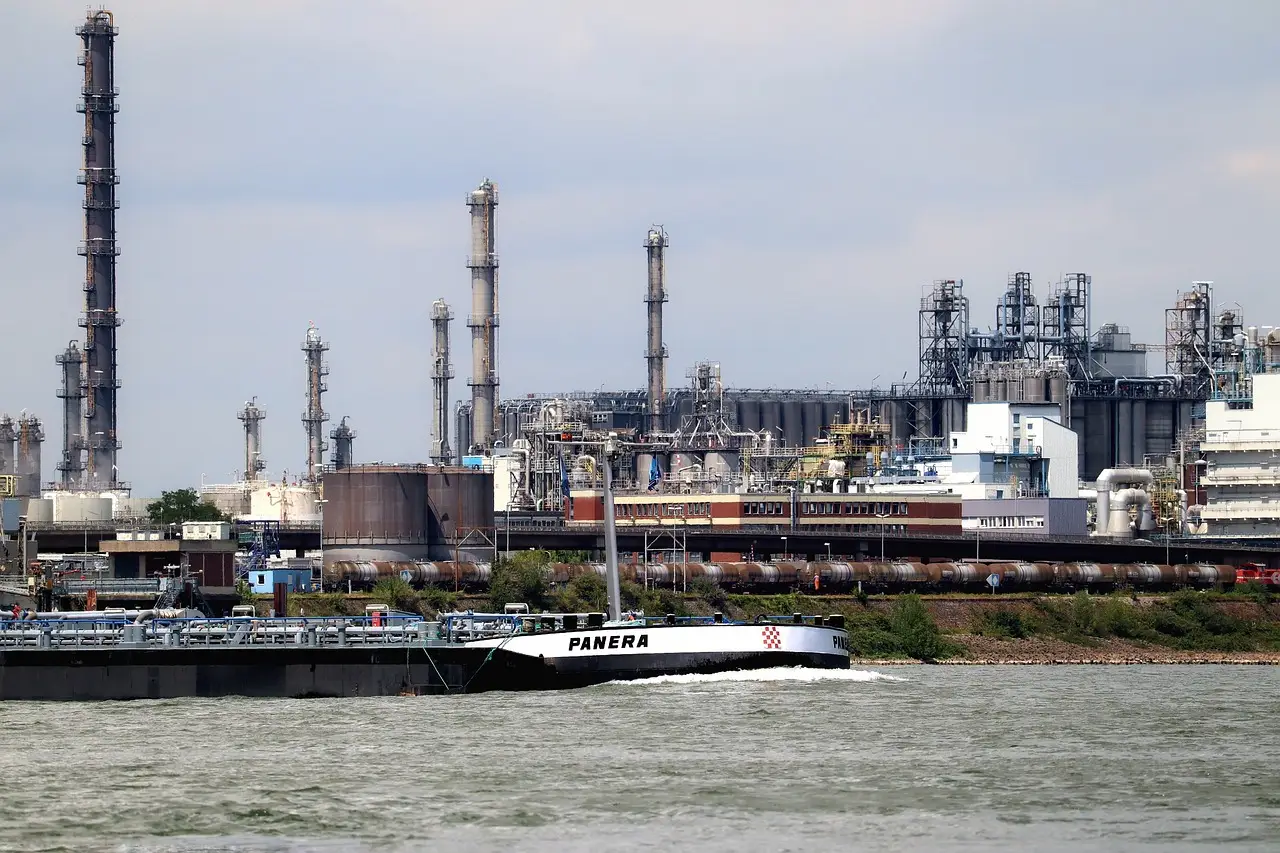
WTI for January 2027 settled at USD 83.41/bbl on NYMEX on 20 November, up 97 cents (+1.16%) on the day — yet the same curve prices the barrel at roughly USD 58 by late 2033 and USD 47 by late 2036. Brent's January 2027 contract closed at USD 92.57 on ICE, up 59 cents (+0.64%), with the back end sliding into the mid-60s by early 2034 and the low-60s by 2037.
That gap between a firm front and a sagging tail is the whole story right now. War risk, tanker logistics and inventory positioning keep prompt barrels bid, while expectations of recovering supply and softer demand pull everything beyond 2027 downhill.
What does the strip actually show?
- Jan 2027: WTI 83.41 / Brent 92.57 (+1.16% / +0.64%)
- Jun 2027: WTI 77.63 / Brent 83.05 (+0.64% / +0.59%)
- Dec 2028: WTI 68.39 / Brent 72.68 (+0.58% / +0.61%)
- Dec 2030: WTI 63.46 / Brent 69.14 (+0.32% / +0.33%)
- Dec 2033: WTI 56.19 / Brent 65.15 (-0.04% / +0.35%)
Both curves sit in deep, orderly contango from January 2027 onward, declining almost monotonically by a few dozen cents per month. The message from the forward market: ample future supply and subdued demand growth. The shape itself is the takeaway.
How wide is the IEA–OPEC gulf?
Wide enough to trade on. The IEA's November Oil Market Report now projects global supply exceeding demand by around 1.7 million b/d in Q4 2026, with a larger build expected in 2027 as Gulf exports recover and non-OPEC supply grows.
OPEC's November report reads a different market. It sees 2027 global demand near 108.3 mb/d — almost 4 mb/d above the IEA's forecast — and keeps 2027 demand growth close to 2.6 mb/d.
Nearly 4 mb/d of disagreement between the two benchmark forecasts is not a rounding error. Someone's model is wrong, and the Nov 29 OPEC+ ministerial may show which way producers lean.
Is the Hormuz risk fading?
Not gone, but easing. The US–Iran conflict and intermittent attacks on Gulf infrastructure at times cut Strait of Hormuz flows by roughly 20% versus October volumes. Recent data show Middle East shipments rebounding, and October regional production hit its highest level since the conflict began.
US inventories point the same direction. EIA data for mid-November confirm back-to-back builds in commercial crude stocks and above-expected gasoline builds — physical tightness easing even while flat prices stay elevated.
Demand has already paid a price. High prices earlier in the year, war-related uncertainty and a cooling macro backdrop forced a rare year-on-year decline in global oil demand in 2026; the IEA expects demand to fall to around 102–103 mb/d before rebounding in 2027, and stresses that efficiency, electrification and the policy response to the Iran war's energy shock will cap long-term growth.
What about cracks and spreads?
The Brent–WTI spread holds near USD 9–10/bbl at the front, in line with EIA guidance that tanker tightness and war-related routing constraints sustain an elevated — though gradually narrowing — premium.
Products are softening. ICE low-sulfur gasoil futures show near-term contracts in the 1,100–1,170 USD/t range with long-dated values falling toward the high-600s USD/t, and recent sessions closed lower across most maturities. Reports of weakening gasoline cracks in Asia and softer distillate margins as stocks rebuild line up with that strip.
How do desks position into OPEC+?
The 1–3 week bias runs sideways to slightly lower. Front WTI near USD 83–84 and Brent near USD 92–93 face upside capped by surplus narratives, rising inventories and recovering Gulf supply, with downside cushioned by war risk and the upcoming OPEC+ decision.
- Producers/hedgers: layering in additional hedges across the front 12–24 months, where flat prices sit well above the long-dated strip, locks in margins before a possible shift to sustained surplus pricing.
- Consumers: short-dated pullbacks toward low-80s WTI / high-80s Brent can cover near-term needs, but the downward-sloping curve argues patience on longer-dated procurement.
- Speculators: pronounced contango beyond 2027 and the IEA–OPEC demand divergence argue for selective curve trades — long deferred, short nearby — rather than aggressive outright directional bets.
Three-day directional indications: NYMEX WTI front month choppy with mild downside bias toward USD 81–82 support, sensitive to US inventory data and Gulf headlines; ICE Brent oscillating in the low-90s; ICE gasoil under modest downward pressure if distillate stocks keep building and winter demand stays muted.
Near-term catalysts stack up on the calendar: the 29 November OPEC+ ministerial, fresh weekly inventory prints, Hormuz headlines and COP31, which ended without a strong consensus on fossil fuel phase-out.
Watch the Nov 29 OPEC+ meeting — it's the next data point that can either flatten or steepen the contango everyone's trading against.
via commodity-board.com (Source)
More from Elena Vasquez
Show full bio
News editor covering technology and product news in Oil and gas industry operations and markets at Rig & Refinery.
620 articles
Adjoining reports
- Brent at $92.63: Steep Backwardation Signals Tight Barrels Now, Looser Later
- WTI Front Month Hits $83.89 as Backwardation Steepens on Hormuz Risk
- Brent at $113.88 as Hormuz Risk Premium Steepens Backwardation
- Crude Curves Soften, Diesel Cracks Hold: The Market's Split Verdict
- Backwardation Deepens as IEA Flags Q4 Surplus and Diesel Cracks Fade