Well report · filed November 20, 2026
Petroleum MarketsWell report
WTI Front Month Hits $83.89 as Backwardation Steepens on Hormuz Risk
WTI Dec-26 settled at $83.89/bbl as Hormuz incidents tighten prompt supply, but a 3.4 million bbl US stock build and an IEA-flagged surplus point to a temporary risk premium.
Field notes
- NYMEX WTI Dec 2026 settled at $83.89/bbl on Nov 19, up 0.75%; Dec 2028 strip near $67.99.
- US commercial crude stocks ex-SPR rose ~3.4 million bbl to 417.8 million in week ending Nov 13.
- OPEC+ ministers meet Nov 29 to set the 2027 production framework.
- IEA sees a modest global surplus this quarter, the first since the Iran war began.
- US four-week product supplied averages ~20.6 million bbl/d, marginally below last year.
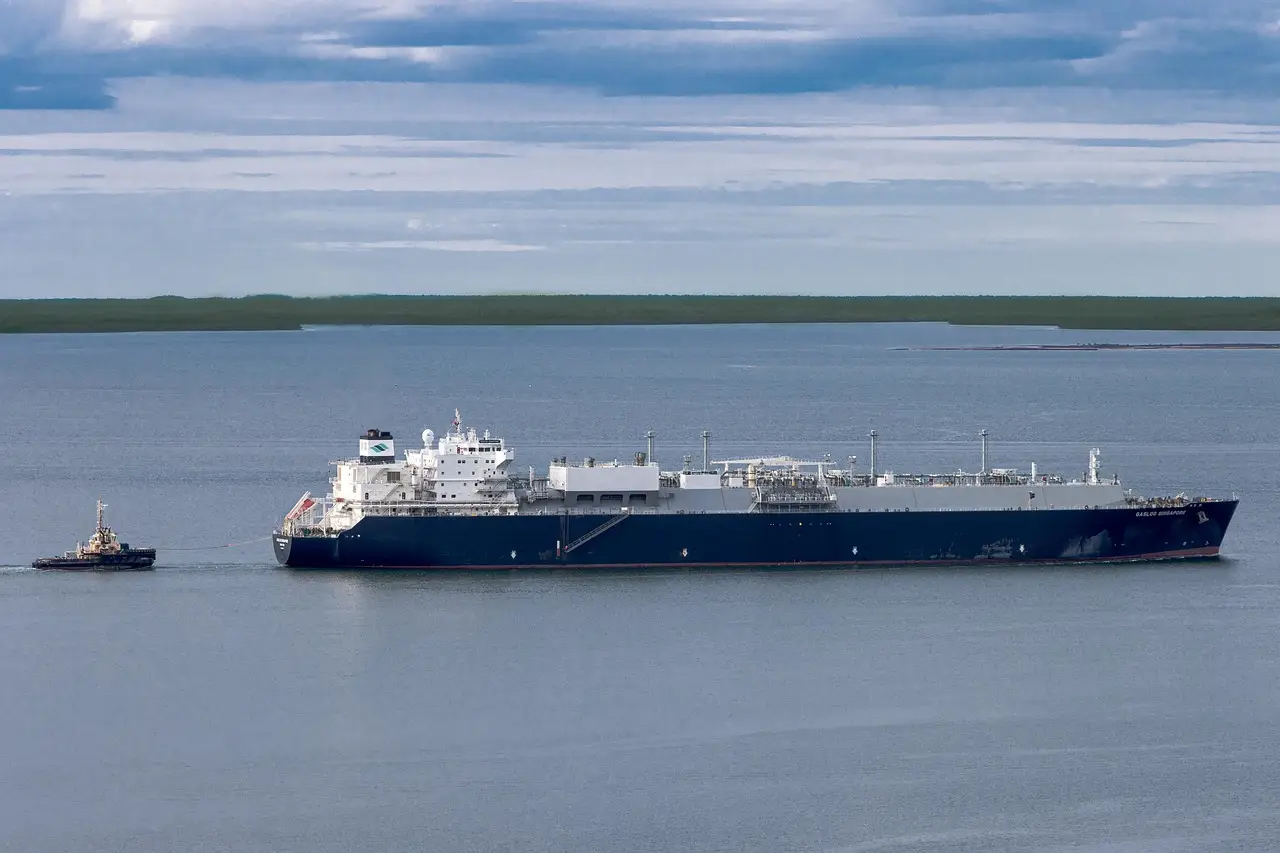
NYMEX WTI for December 2026 settled at $83.89/bbl on November 19, up $0.63 or 0.75%, while the far end of the curve sat near $48.92 — a spread that tells you the market is paying for risk now, not scarcity later.
January 2027 WTI closed at $83.09 (+0.94%) and February at $82.21 (+1.19%). Further out, the strip slides steadily: December 2027 sits below $73, December 2028 around $67.99, and the slope runs down to roughly $48.92 by February 2037. ICE Brent tracks the same shape at a premium — January 2027 settled at $92.68 (+0.79%), February at $90.18 (+1.12%) — before sliding into the mid-70s beyond mid-2027 and toward about $62 by early 2038.
That pronounced backwardation (prompt barrels priced above deferred deliveries) signals tight near-term fundamentals and strong refining margins relative to expectations of much softer prices later in the decade.
What is driving the front of the curve?
Physical supply remains hostage to Middle East risk. Iranian attacks on shipping and fresh mine incidents involving supertankers in the Strait of Hormuz have cut crude flows through the chokepoint, raising freight costs and supply-security concerns. Yet assessments suggest global supply has broadly adjusted — rerouted tankers and replacement barrels have mitigated worst-case scenarios.
Demand tells a similar story of containment. The IEA and other observers note the initial energy shock from the Iran war has faded, with global consumption growth softening under slower macro momentum and efficiency gains. US total product supplied over the latest four weeks averages about 20.6 million bbl/d, marginally below last year. Takeaway: participants price today's risk premium as temporary, and the numbers back them.
What do the inventories say?
US stocks are leaning bearish at the margin. Commercial crude inventories excluding the SPR (Strategic Petroleum Reserve) rose roughly 3.4 million barrels to about 417.8 million in the week ending November 13, leaving them only 3–4% below the five-year average. Distillate stocks also built week-on-week and sit within normal seasonal range, easing winter-shortage worries.
The IEA says oil markets likely enter a modest surplus this quarter — the first since the Iran war began — citing continued Middle East exports and softened demand growth. EIA data add a wrinkle: Q3 2026 flows through Middle East chokepoints actually increased as producers maximized exports into strong prices, though later security incidents have partly reversed that. The steep backwardation looks like a near-term logistics and risk story, not evidence of structural undersupply.
What happens at the OPEC+ meeting?
Ministers convene November 29 to set the group's 2027 production framework. Markets are watching for signals of deeper cuts or a gradual unwinding of current restraints. Neither outcome is priced as certain.
Meanwhile, the UN climate summit is debating stronger constraints on fossil fuel production and faster electrification. If translated into policy, that would reinforce expectations of plateauing demand after 2030 — consistent with the subdued far-dated WTI and Brent contracts. In the US, improving consumer sentiment and falling inflation expectations give central banks room to pause or ease, supportive for cyclical demand but not enough to justify a sustained spike in oil consumption.
Where does the trade sit?
- Short-term bias: Front-month WTI near $84 and Brent near $93 stay supported by Hormuz risk and OPEC+ uncertainty. Dips likely find buyers while security incidents continue.
- Curve trades: Steep backwardation (WTI Dec-26 vs Dec-28; Brent Jan-27 vs Jan-29) favors roll-capture strategies on nearby length and cheap hedging of forward physical exposure.
- Risks: Downside from further US inventory builds or a confirmed global surplus; upside from any escalation that materially curtails Middle East export capacity or key infrastructure.
The three-day view: WTI slightly firmer and range-bound on Hormuz incidents and positioning into the OPEC+ meeting; Brent biased higher but volatile on Middle East newsflow and freight premia; ICE Gas Oil stable to slightly higher on seasonal heating demand.
The watch item is November 29. Whatever OPEC+ signals on 2027 output will either validate or unwind the risk premium now embedded in the front of the curve.
via commodity-board.com (Source)
More from Priya Raman
Show full bio
Senior reporter covering technology and product news in Oil and gas industry operations and markets at Rig & Refinery.
663 articles
Adjoining reports
- WTI Dec 2026 Settles at $86.50 as Backwardation Flattens
- Brent at $113.88 as Hormuz Risk Premium Steepens Backwardation
- Oil Curve Pays War Premium Now, Prices $56 WTI for 2033
- Brent at $92.63: Steep Backwardation Signals Tight Barrels Now, Looser Later
- Brent Slides 6.7% to $92.12 as Iran War Premium Deflates