Well report No. RR-2963 · T9N · R18W · SEC 9 · filed October 10, 2026
Petroleum MarketsWell report
Oil Gains as Trump Denies Willingness to Ease Iran Sanctions
Crude futures climbed after President Trump denied any willingness to ease sanctions on Iran, keeping geopolitically constrained barrels offline and supporting prices.
Field notes
- Oil prices gained after President Trump denied he is willing to ease sanctions on Iran.
- The denial reaffirms the existing US sanctions framework on Iranian crude exports.
- Loosened sanctions could have returned stored Iranian barrels to market; that prospect is off the table for now.
- Traders now watch for follow-up policy statements, tanker-tracking data, and OPEC+ decisions.
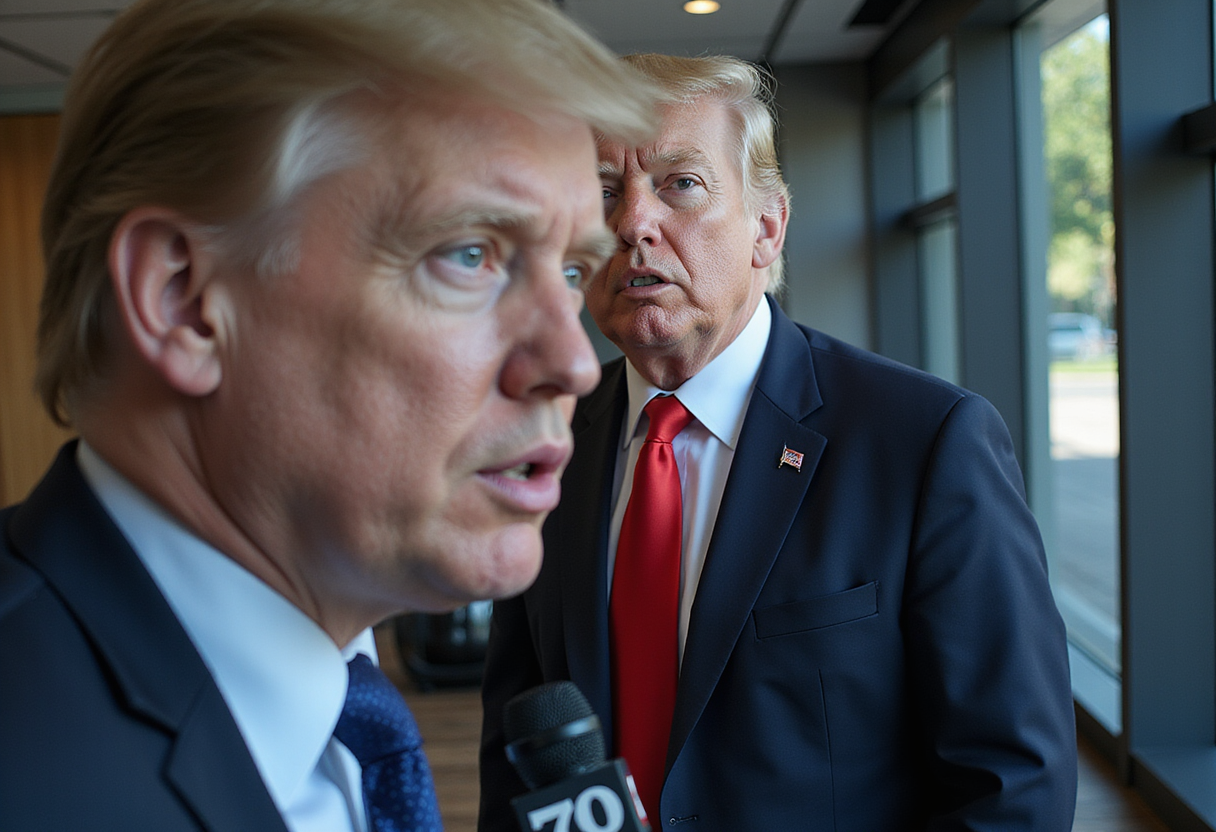
Oil prices moved higher after US President Donald Trump denied he is willing to ease sanctions on Iran, traders said, keeping a layer of geopolitical risk premium in the crude market.
The gains came as the president pushed back against speculation that Washington might soften its sanctions pressure on Tehran in exchange for movement on other fronts. That denial, in effect, reaffirmed the status quo: Iranian barrels stay constrained, and the supply that sanctions have removed from the water remains offline.
Why does the denial matter for barrels?
Sanctions on Iran are one of the swing variables in the global supply balance. Any signal that Washington might lift or loosen them would raise the prospect of additional Iranian crude — much of it stored on floating tankers in Asian waters — returning to market and pressuring prices.
Trump's denial removes that prospect, at least for now. Traders read the statement as confirmation that the policy framework stays intact, and prices firmed accordingly.
The episode underscores how sensitive the market remains to headline risk around Iran. Even without a change in actual export flows, statements from the White House can move the tape in either direction.
What does this mean for supply and the watch items?
For refiners and traders, the practical takeaway is straightforward: Iranian crude availability — heavy grades that run well in complex refineries in Asia and the Mediterranean — stays limited for as long as the sanctions regime holds.
The watch items from here:
- Any follow-up statement from the White House or Treasury on sanctions policy toward Tehran.
- Iranian export loadings and tanker-tracking data, which will show whether flows change regardless of rhetoric.
- OPEC+ production decisions, which sit against the backdrop of how much Iranian supply the market does or does not see.
- Refining margins on medium and heavy sour grades, which reflect the tightness that sanctions on Iran and similar producers create.
Price commentary in the wake of the denial remains analysis rather than settled fact — strategists differ on how durable the rally is — but the direction of the initial move was clear. Crude gained on the news, and the market's attention now shifts to whether the policy posture holds through coming diplomatic cycles.
For now, the sanctions regime stays in place, the president has said he is not willing to ease it, and oil has responded the way supply-side logic suggests it should.
via Google News: Pipelines and midstream (Source)
More from Priya Raman
Show full bio
Senior reporter covering media and advertising at Rig & Refinery.
395 articles
Adjoining reports
- Crude Extends Losing Streak to Sixth Session on Iran Talks, Saudi Pipeline Return
- Trump Iran warning, Fed hike signal pressure crude into close
- Oil Swings as Traders Weigh Saudi Pipeline Restart, US-Iran Talks
- Oil Extends Slide to Fifth Session on US-Iran Talks
- Crude Prices Rise as US-Iran Nuclear Talks Stall