OPEC: Market Stability Rests on Trust, Cooperation Among Producers
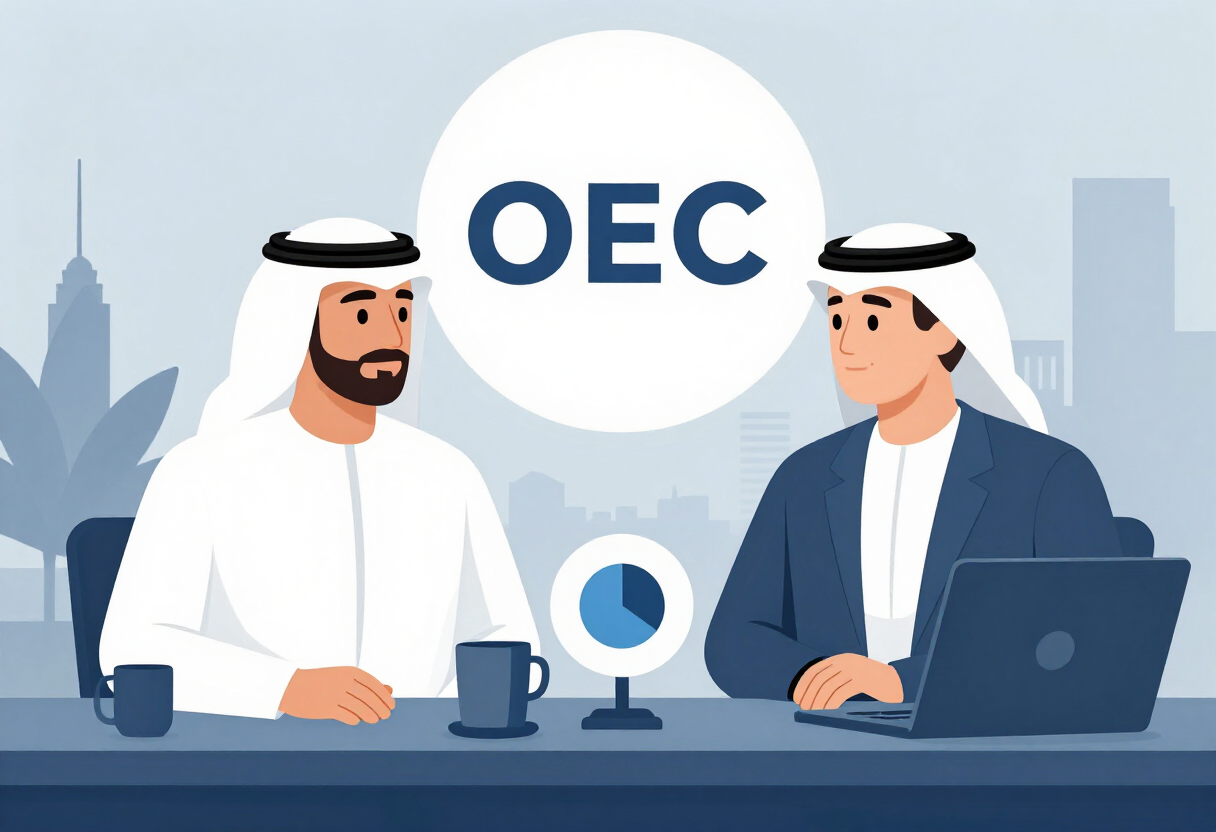
OPEC says oil market stability rests on trust and cooperation among producers, as OPEC+ continues unwinding voluntary cuts and weighing its next monthly output decision.
TAG K-8907 · 505 words on the permit
Scope of work
- OPEC states that oil market stability is built on trust and cooperation among producing countries.
- The message comes as OPEC+ continues to unwind voluntary production cuts through monthly increments.
- The next OPEC+ ministerial decision on output levels is the key watch item for the fourth quarter.
OPEC has reiterated that stability in the global oil market rests on trust and cooperation among producing nations, framing the cartel's coordination model as the mechanism that keeps supply and demand in balance through volatile cycles.
The statement, reported by the Kuwait Times, positions the group's voluntary production adjustments and the expanded OPEC+ framework as the institutional backbone of market order. Producer cooperation, in OPEC's telling, is not a bargaining posture but the operating system through which 23 participating countries manage output targets, compensate for overproduction, and signal forward supply intentions to refiners and traders.
The timing of the message matters for downstream planners. OPEC and its nine non-OPEC partners are unwinding a layer of voluntary cuts — 2.2 million bpd originally held back — in monthly tranches, with the group having already restored several increments since output increases resumed in April. Each tranche decision arrives against a backdrop of contested demand readings: Chinese imports firm in some months, soft in others, while OECD crude runs track refinery maintenance schedules and margins that remain thin for complex refineries in Europe and Asia.
OPEC's emphasis on trust speaks to a practical problem inside the alliance. Several members — Iraq, Kazakhstan, and others — have produced above quota, and the group has had to construct compensation schedules to bring those barrels back into line with agreed targets. Cooperation, in this context, means the credibility of the quota system itself. If producers distrust each other's compliance, the coordination that stabilizes prices erodes.
For Gulf producers, the message also carries an investment-planning signal. Kuwait, the UAE, and Saudi Arabia continue to fund upstream capacity projects — from Kuwait's planned expansion toward 4 million bpd of capacity, to ADNOC's drive to 5 million bpd by 2027 — on the assumption that a stable market supports long-term offtake. Volatile price swings complicate final investment decisions and field development pacing across the region's mature and emerging plays.
The group's own forecasts, released alongside its monthly market reports, still point to demand growth in 2025, driven by non-OECD consumption, even as institutions such as the IEA project a more comfortably supplied market later in the decade. That divergence in outlooks is itself a stability question: OPEC argues the world still needs its invested capacity; the consumers' agency sees surplus. Traders and refiners price the gap between the two views.
What OPEC's statement does not do is commit to a specific production path. The next scheduled OPEC+ ministerial meetings will determine the size of the next tranche of unwound barrels, and delegates have publicly debated pausing increases if the market shows surplus. The group's July meetings set the August output level; subsequent decisions follow on a rolling monthly basis unless ministers shift the cadence.
The watch item: OPEC+ ministers' next decision on the monthly output increment, and whether compensation plans from overproducing members — a core test of the trust OPEC describes — hold through the fourth quarter as refinery runs peak and winter demand builds.
via Google News: OPEC and oil markets (Source)
More from James Calloway
Show full bio
Staff writer covering industry trends and analytics at Rig & Refinery.
54 articles
Linked permits
- C-8252
- C-7298
- K-5583
- C-7184
- P-7265