Well report No. RR-6583 · T21N · R17W · SEC 9 · filed November 14, 2026
Gas & LNGWell report
Ottawa Plans $140 Million for Woodfibre LNG Capacity Boost
Ottawa plans about $140 million for Woodfibre LNG near Squamish, lifting capacity up to 24% to 2.6 million tonnes as Canada chases Asian LNG markets.
Field notes
- Canada plans roughly $140 million (C$200 million) for Woodfibre LNG near Squamish, British Columbia.
- Proposed upgrades would raise annual capacity from 2.1 million to 2.5-2.6 million tonnes, up to 24% more.
- Woodfibre is 70% owned by Pacific Energy and 30% by Enbridge; startup is set for late 2027.
- Base capacity is fully contracted to BP under three 15-year agreements.
- The move follows September approval of LNG Canada's expansion from 14 to 28 million tonnes per year.
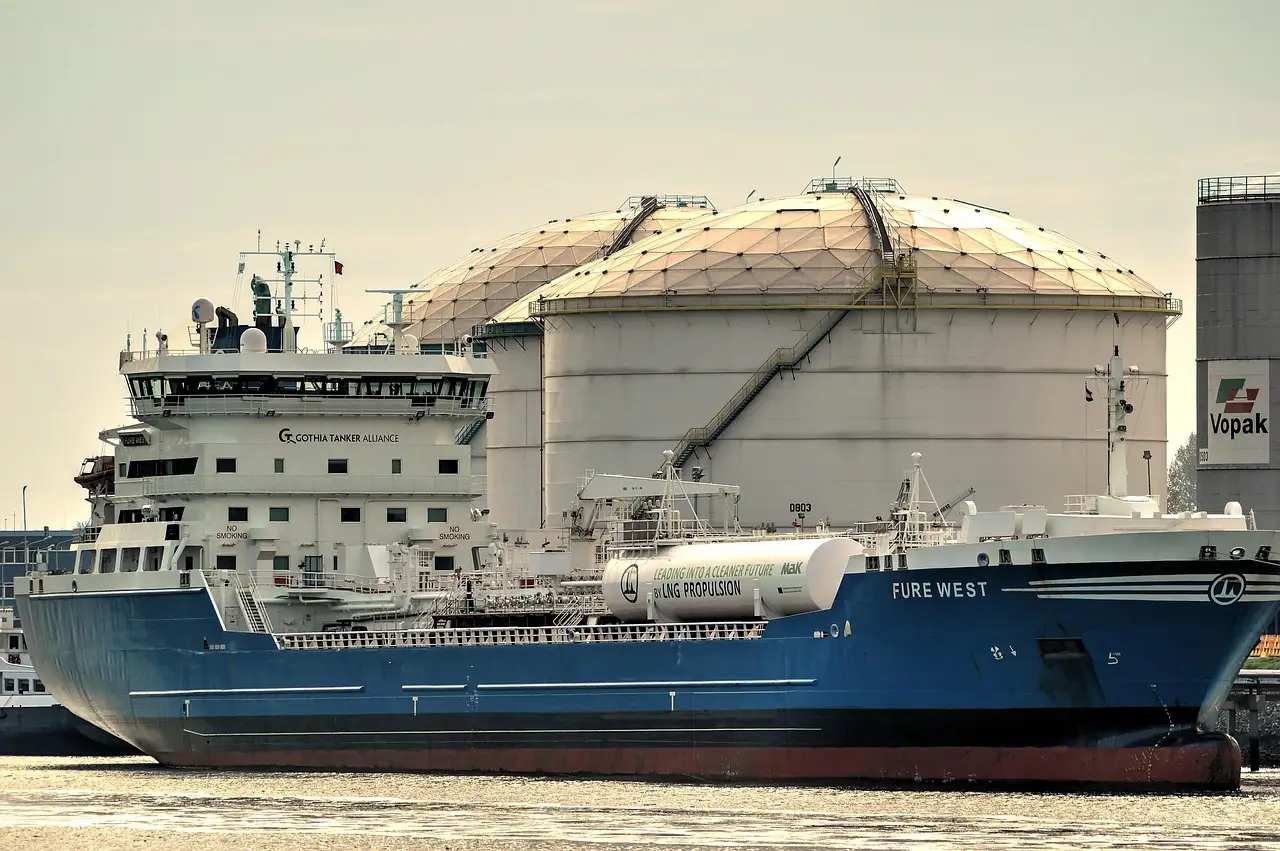
Canada's federal government plans to invest approximately $140 million (C$200 million) in the Woodfibre LNG export project near Squamish, British Columbia, in a move that could raise the facility's annual production capacity by as much as 24%. Reuters reported the plan, citing a person familiar with the matter. The project is under construction north of Vancouver.
Who owns Woodfibre and what changes?
Singapore-based Pacific Energy Corporation holds 70% of Woodfibre LNG. Canadian pipeline operator Enbridge owns the remaining 30%. The facility was originally designed to produce 2.1 million metric tons of liquefied natural gas per year. The proposed improvements would lift capacity to roughly 2.5 to 2.6 million metric tons.
The funding would support upgrades to cooling systems and the commissioning and mooring of floating storage tanks. These measures could raise export volumes without building an entirely new liquefaction train (a processing unit that chills gas into liquid form), potentially improving the economics of the existing development. Takeaway: a debottleneck, not a new plant.
What is the commercial foundation?
Woodfibre is scheduled to begin operations in late 2027. Its original 2.1-million-ton capacity is fully contracted to BP under three long-term agreements spanning 15 years. Marketing and contractual terms for any additional production have not been disclosed.
The owners are also examining a potential second phase, which could push export capacity beyond the currently proposed improvements. Any larger expansion would require additional technical evaluation, investment commitments and regulatory approvals. Takeaway: the base project is sold out; the upside volume has no buyer named yet.
How does this fit Canada's LNG strategy?
Woodfibre forms part of a broader Canadian strategy to diversify natural gas exports beyond the United States and build a stronger position in Asian energy markets. British Columbia's Pacific Coast offers relatively direct shipping access to major LNG importers, including Japan, South Korea and China, potentially giving transportation advantages over some competing North American export routes.
The proposed investment follows the September approval of a major expansion at Shell-led LNG Canada in Kitimat, British Columbia. That project is expected to double production capacity from approximately 14 million to 28 million metric tons annually. The two decisions reflect accelerating investment in Canada's Pacific Coast LNG infrastructure. Takeaway: Ottawa is backing a second wave of West Coast export capacity.
What does it mean for producers and midstream?
For Western Canadian natural gas producers, additional export capacity could open international markets and strengthen long-term demand for output from the Montney (a major gas-bearing formation straddling Alberta and British Columbia) and other regional plays. Pipeline operators and infrastructure investors may also benefit from increased requirements for gathering, transmission, compression and storage capacity.
For Enbridge, Woodfibre adds another component to its expanding natural gas infrastructure portfolio. BP's long-term purchase commitments provide the British major with exposure to Pacific Basin LNG trade. Takeaway: the project tightens links between Montney supply, Canadian midstream and Asian buyers.
What is the watch item?
For energy investors, the proposed federal funding signals Canada's willingness to support export infrastructure as competition for global LNG market share intensifies. The project's eventual returns will depend on construction execution, operating costs, shipping economics and international gas prices — market variables, not guaranteed outcomes.
The expansion also underscores the growing role of government participation in major energy projects, particularly those demanding substantial upfront capital and long development timelines. The items to track now: confirmation of the federal investment, regulatory steps for any second phase, and the first cargo timing against the late-2027 startup target.
via oilandgas360.com (Source)
More from Olivia Hart
Show full bio
Correspondent covering technology and product news in Oil and gas industry operations and markets at Rig & Refinery.
586 articles