Well report No. RR-5206 · T16N · R1W · SEC 4 · filed November 13, 2026
Gas & LNGWell report
Reliance Lines Up $4.6bn for Andhra Pradesh Coal-to-Gas Scheme
Reliance's draft MoU with Andhra Pradesh outlines Rs430bn for underground coal gasification: Rs30bn for pilot studies, Rs400bn pending trials, clearances and a 20% federal subsidy.
Field notes
- Reliance plans Rs430bn ($4.57bn) for coal-to-gas in Andhra Pradesh under a draft MoU with the state's Economic Development Board.
- Phase one is Rs30bn for exploration, geological assessment and pilot studies; phase two, Rs400bn, awaits successful trials and clearance.
- India targets 100mt of annual coal gasification capacity by 2030 versus about 22.6mt in operation or development; a Rs375bn scheme subsidises up to 20% of costs.
- Reliance won the Chintalapudi Sector A1 and Recherla coal blocks in Eluru district in April, in India's first auctions permitting underground coal gasification.
- NTPC and Adani have filed gasification applications; Essar Oil & Gas secured five blocks across 1,281km² in India's 2025-2026 SCBM bid rounds.
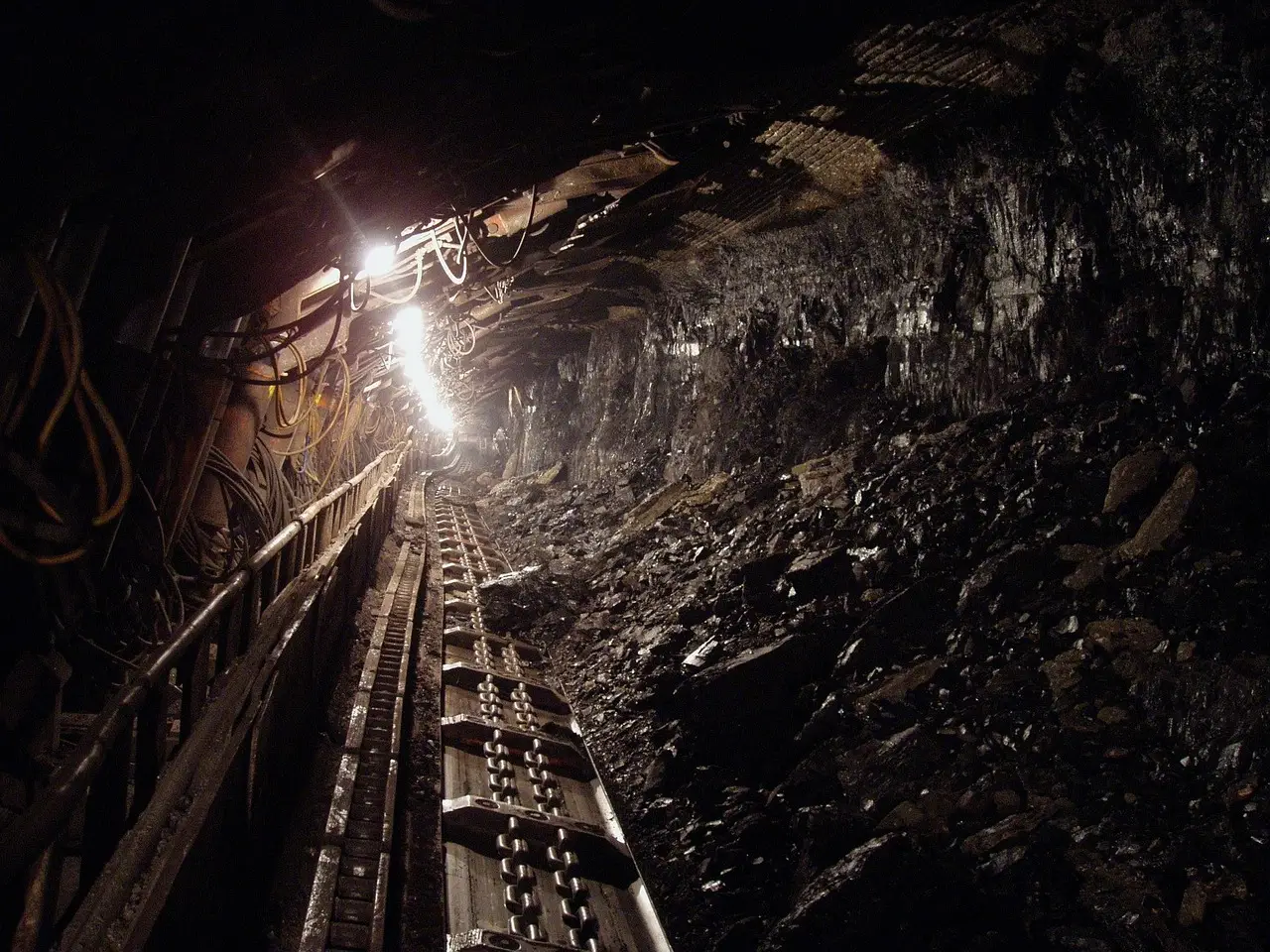
Reliance Industries has pencilled in Rs430bn — roughly $4.57bn — for an underground coal gasification complex in Andhra Pradesh, according to a government memorandum reviewed by Reuters. The number sits in a draft agreement between the conglomerate and the Andhra Pradesh Economic Development Board. Nothing is sanctioned yet. The figure is a plan on paper, awaiting trials and clearances.
How would the money be spent?
The draft memorandum outlines a two-phase development in the southern Indian state, and the split between phases tells the story of risk allocation.
- Phase one: about Rs30bn for exploration, geological assessment and pilot studies to test technical and commercial feasibility.
- Phase two: about Rs400bn, to begin only after successful trials and regulatory clearance.
If the scheme advances beyond the pilot stage, it could draw follow-on investment of up to Rs2.7tn — roughly six times the headline commitment — and generate about 5,000 direct jobs plus 35,000 indirect positions. To translate: one direct job for every Rs6m of initial capital, with indirect employment carrying the wider employment claim. Completed, it would rank among India's largest coal-to-gas projects to date.
The takeaway: Reliance is buying an option, not building a plant.
Where does the coal come from?
The feedstock is already secured. In April, Reliance won the Chintalapudi Sector A1 and Recherla coal blocks in Eluru district under India's first commercial coal mine auctions that permit underground coal gasification. The company also operates a comparable conversion unit at its Jamnagar refinery in western India, where petroleum coke — not coal — becomes gas. That facility gives Reliance a working reference case, though coke gasification is a milder technical proposition than in-situ gasification of deep coal seams.
The takeaway: the acreage and the precedent exist; the subsurface does not yet speak.
What is Delhi's role in this?
The state frame matters more than the corporate one. India wants 100 million tonnes per year of coal gasification capacity by 2030, against roughly 22.6mt in operation or under development today — a gap of more than fourfold in under six years. The Ministry of Coal runs the National Coal Gasification Mission, and in May 2026 the government announced the Scheme for Promotion of Surface Coal/Lignite Gasification Projects: Rs375bn in incentives covering up to 20% of plant and equipment costs. A Rs400bn phase-two bill, in that light, could carry a subsidy cheque approaching Rs80bn.
Reliance is not alone in the queue. NTPC and Adani Enterprises filed applications earlier this year for surface gasification ventures under the mission. Last month, Essar Oil & Gas picked up five exploration blocks covering about 1,281km² across West Bengal, Madhya Pradesh and Telangana through the Special Coal Bed Methane Bid Rounds for 2025 and 2026.
The takeaway: policy is pulling; at least four majors are pushing.
Why Andhra Pradesh specifically?
The state is enjoying a run of heavyweight commitments. Google has pledged $15bn for an artificial intelligence centre, and Reliance and its partners have planned $11bn in data centre investment there. A Rs430bn gasification complex would deepen that pipeline, and the state's Economic Development Board is evidently prepared to paper the relationship. The policy logic is import substitution: gasifying domestic coal trims the fuel import bill, a case Delhi argues and Reliance appears willing to price.
The takeaway: Andhra Pradesh is assembling an industrial cluster, and Reliance wants anchor billing.
What happens next?
The watch items are specific. First, the draft agreement must become a signed one. Second, the Rs30bn appraisal campaign — drilling, geological work, pilot trials — must return commercial answers on the Eluru blocks. Third, regulatory clearance gates the Rs400bn phase. Only then does the 100mt national target acquire a serious Andhra Pradesh contribution.
India has 22.6mt of capacity against a 100mt goal. Verdict: ambitious arithmetic, unproven geology.
via reuters.com (Original)
More from Daniel Okafor
Show full bio
Market editor covering companies, deals and strategy in Oil and gas industry operations and markets at Rig & Refinery.
578 articles
Adjoining reports
- Indian Oil Board Sanctions INR 24.49 Billion Pipeline Investment
- Essar Oil & Gas takes five CBM blocks holding 6.6 tcf in-place gas
- BPCL Andhra Mega Refinery Clears Key Environmental Hurdle
- Indian Oil Puts $256 Million Into Kochi-Thoothukudi Gas Line
- ONGC Lines Up $10 Billion Offshore Drilling Drive, 87 Wells by 2031