Well report No. RR-6910 · T22N · R18W · SEC 10 · filed November 2, 2026
OffshoreWell report
Resident AUVs carve vessel days from subsea inspection, not vessels yet
Hydrone-R has logged 500+ subsea days at Njord as resident AUVs begin cutting ROV-support vessel days, with only three to six systems in commercial residency worldwide.
Field notes
- Hydrone-R has accumulated more than 500 days of subsea residency at Njord, including a record 240 consecutive days, under a €40m ten-year Saipem-Equinor contract signed in 2019.
- Equinor acquired the Eelume S AUV in September 2025, shifting from financial backing to full operational deployment.
- Only three to six resident systems worldwide are in or have recently completed sustained commercial residency, almost all on the Norwegian Continental Shelf.
- Saipem's FlatFish passed Petrobras acceptance tests in March 2026 and is approved for ultra-deepwater deployment in Brazil.
- Remote operations have saved more than 36,800 offshore personnel-hours, with Hydrone-R working in wave heights up to 12.5m.
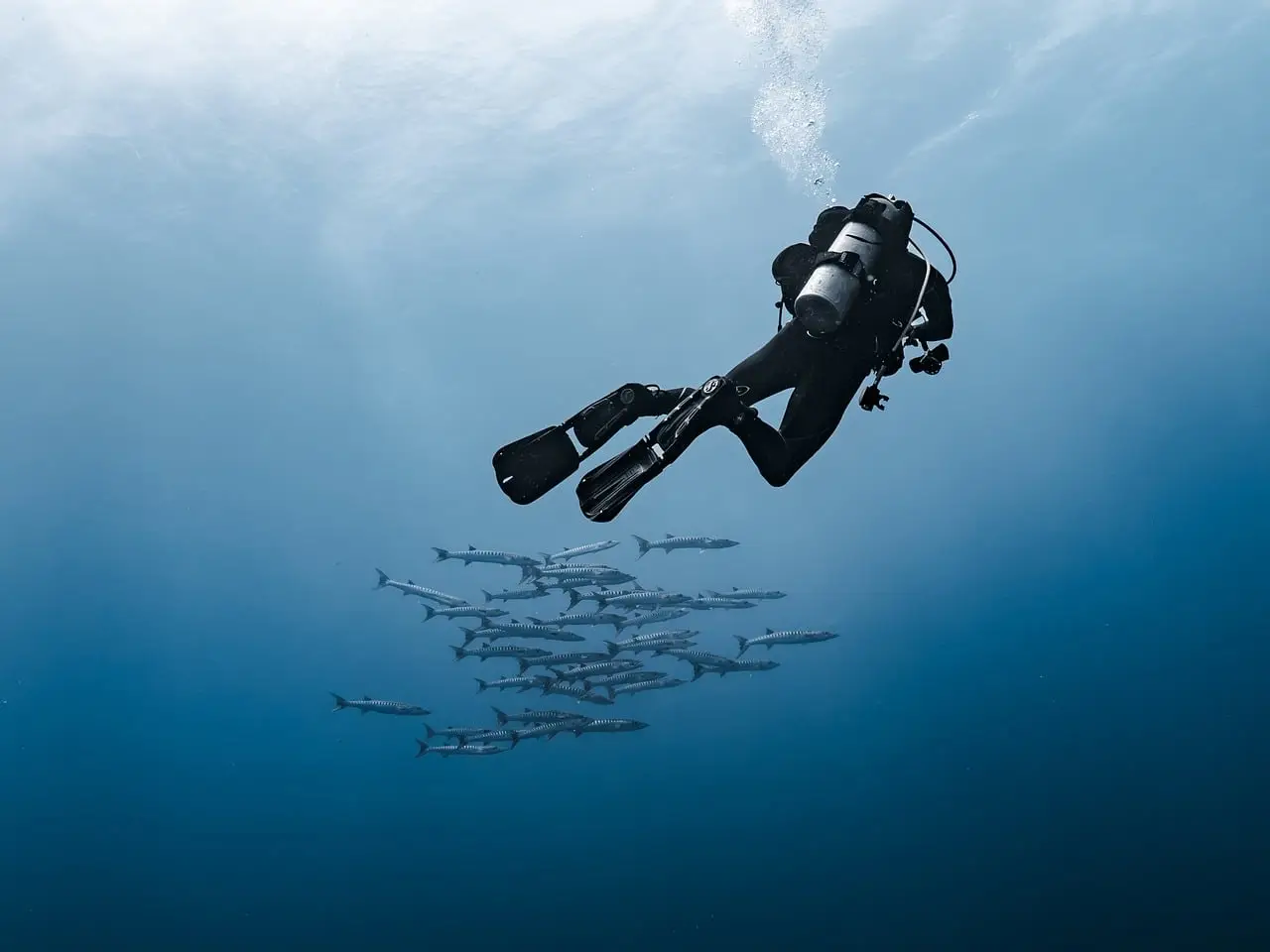
Saipem's Hydrone-R resident drone has logged more than 500 days of subsea residency at Equinor's Njord field since 2023, including a record 240 consecutive days on the seabed — evidence that vessel-free inspection is now commercial on the Norwegian Continental Shelf, but barely anywhere else.
The all-electric underwater intervention drone operates under a ten-year, €40m ($44.5m) contract Saipem signed with Equinor in 2019, which also covers the Hydrone-W work-class ROV. It has completed more than 280 docking missions across two deployments and hundreds of vessel-free missions: subsea inspections, autonomous surveys, troubleshooting and light intervention. A surface vessel is needed for launch and recovery only every six to eight months.
Adriano Mongini, COO of Saipem's Drilling and Sonsub business, told Offshore Technology: "Hydrone-R has demonstrated that the concept of a resident subsea drone has reached tangible commercial maturity." He describes the system as an industrial solution under a Life of Field (LoF) service model built on robotic assets permanently available on the seabed.
Equinor has doubled down. In September 2025 it acquired the Eelume S AUV, capping a decade-long relationship with the Norwegian technology company and moving from early-stage financial support to full operational deployment. Jan Christian Torvestad, Equinor's head of marine robotics, says the acquisition builds in-house experience with an emerging subsea technology. He cautions that Hydrone-R deployment remains experimental in phase and that inspection vessels still handle complex work; Equinor picks the most cost-effective tool per task.
How big is the resident fleet today?
Small. GlobalData analyst Ravindra Puranik estimates only three to six systems worldwide are in, or have recently completed, sustained commercial residency — almost all on the NCS:
- Hydrone-R at Njord (Saipem/Equinor)
- Modus/PXGEO's Saab Seaeye Sabertooth at Johan Sverdrup, the first resident-drone contract, 2023–2024
- Oceaneering's Liberty system at Åsgard, Snorre, Statfjord and Gullfaks, with nearly 21,000 operational hours — though it is a cage-and-buoy resident ROV rather than a docked AUV
Saipem's FlatFish completed functional acceptance tests for Petrobras in March 2026 and is now approved for ultra-deepwater deployment in Brazil. Most other systems remain in qualification. Puranik calls the sector "early commercial" rather than routine.
What changes for OSV demand?
The exposure sits with ROV support and light IMR vessels running routine annual inspection campaigns on the NCS, plus vessels hired for short drill-support or commissioning attendance. GlobalData's January 2026 'Robotics in Oil and Gas' report flags general visual inspection, leak surveys, light intervention and attendance work as the revenue streams at risk. Heavy construction, installation and repair vessels face little immediate threat — resident drones cannot lift, lay or repair, and a vessel with an ROV remains the answer for a damaged vehicle.
Mongini frames it as optimisation: "Vessels are called to operate less than what is conventionally done in the industry." On large subsea fields that would conventionally need more than one vessel, resident robotics could cut vessel counts, costs, emissions and offshore-personnel risk. Autonomous inspection can cover up to 12km from the docking station, against 300–400m for piloted intervention limited by tether length or optical comms.
The weather numbers reinforce the case. Hydrone-R stayed operational while Njord's conventional work-class ROV sat Waiting on Weather — no operational days lost — and supported well commissioning in wave heights up to 12.5m. Remote operations have saved more than 36,800 offshore personnel-hours, Mongini says, avoiding hundreds of tonnes of CO₂.
Why Norway, and why not elsewhere?
The NCS offers established infrastructure, remote-operations capability and clustered subsea assets close enough to share power and communications. Open-standard docking stations built to API 17F, with inductive couplers following the Subsea Wireless Group standard, let vehicles from Saipem, Saab Seaeye and Oceaneering dock and charge at the same station; Modus has demonstrated autonomous docking at an Equinor station without operator intervention. Vehicles need eight to 32 hours of charging while idle between missions. "While challenges remain, the integration of robotics with digital twins, edge intelligence and predictive analytics is accelerating," Puranik said. GlobalData forecasts the global robotics market growing from $90.2bn in 2024 to $205.5bn in 2030.
Brazil's pre-salt is different: ultra-deepwater infrastructure beyond 2,000m, weaker offshore communications and heavy intervention needs keep large vessel spreads in play. Saudi Arabia's extensive shallow-water infrastructure may favour purpose-built autonomous inspection rather than Norway's deepwater resident model. GlobalData expects resident systems to become a normal part of the inspection mix on large Norwegian fields by 2030, but not routine elsewhere until at least the mid-2030s. Eelume's 2021 target of up to 50 robots by 2027 was missed, and Equinor's delayed Snøhvit Future AUV-fleet concept — approved by the Norwegian government in 2023 — hit technical and economic problems.
Where the commercial model goes
"Saipem sees resident robotics as an opportunity to shift value from vessel-day-based revenues toward long-term, recurring service models," Mongini says. Operator discussions point to a Drone-as-a-Service proposition — inspection and intervention services with reports, rather than vehicle ownership — though Equinor is testing the ownership concept.
The watch item: whether inspection productivity per vessel day falls faster than subsea activity grows on the NCS, and whether FlatFish's Brazil deployment proves the model beyond Norwegian waters.
via globaldata.com (Original)
More from James Calloway
Show full bio
Staff writer covering people, launches and day-to-day practice in Oil and gas industry operations and markets at Rig & Refinery.
603 articles
Adjoining reports
- Equinor's Grimsnes find: 19–50 mboe near Oseberg, FID eyed next summer
- Transocean Adds $1.1 Billion to Backlog on Equinor, Shell Awards
- Shell Joins Equinor in $14 Billion Bay du Nord Offshore Project
- Shell Buys 30% of Equinor's Bay du Nord Offshore Newfoundland
- Equinor flags North Sea permitting delays as UK investment risk