Well report No. RR-6002 · T18N · R4W · SEC 18 · filed November 10, 2026
Midstream & PipelinesWell report
Riyadh Intercepts Two Missiles as Houthis Hit East-West Pipeline Again
Saudi forces downed two missiles over Riyadh after a Houthi strike caused a 'limited fire' on the East-West pipeline, with the Energy Ministry saying pipeline operations were unaffected.
Field notes
- Saudi forces intercepted a ballistic and a cruise missile over Riyadh on Tuesday, plus a second ballistic missile in the south
- Monday's Houthi strike on the East-West pipeline near Medina caused a 'limited fire'; operations were unaffected, per the Energy Ministry
- The pipeline is a vital export route because of Iranian restrictions in the Strait of Hormuz
- Sunday's 'attempted attack' left minor damage to the Aramco Tower from falling debris
- No injuries or deaths were reported in any of the incidents
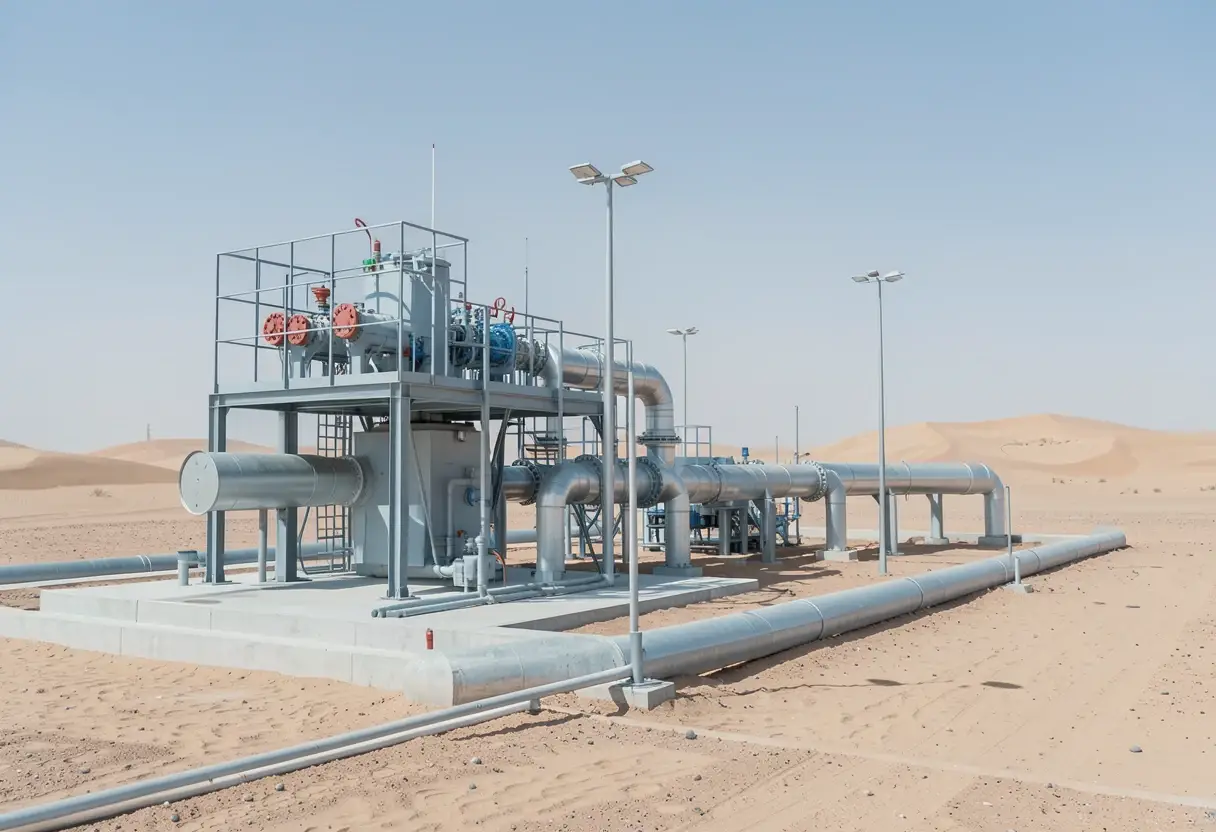
Saudi air defenses intercepted a ballistic missile and a cruise missile over Riyadh on Tuesday, hours after a Houthi strike set a "limited fire" on the East-West pipeline — the kingdom's critical crude bypass around the Strait of Hormuz.
Major-General Turki al-Maliki, spokesperson for the Saudi-led coalition, attributed the attacks to the Iran-backed Houthis. Writing on X, he said a second ballistic missile was destroyed over the kingdom's southern region. There was no immediate comment from the Houthis.
AFP reported multiple explosions heard in Riyadh. Residents received text-message alerts ordering them to shelter from an "aerial threat." Civil defence later confirmed the danger had passed.
The capital got off lightly. The pipeline did too. That is the whole story, briefly.
What happened to the East-West pipeline?
On Monday, the pipeline in the Medina region was attacked again — one strike in a series that now reads like a monthly schedule. A Saudi Energy Ministry official told the state-run SPA agency the strike caused a "limited fire" that was extinguished. The official's verdict: "pipeline operations were unaffected."
No injuries or deaths were reported.
The line matters because geography has become hostile. Iran's restrictions on the Strait of Hormuz — imposed since the US-Israel war against Iran — have made the East-West route a vital artery for Saudi crude exports to Red Sea loading terminals, avoiding a chokepoint that carries roughly a fifth of the world's traded oil on a normal day. That is why the Houthis keep aiming at it, and why each "unaffected" announcement lands with relief in Riyadh trading rooms. The pipeline has come under attack several times as the war fuels a global energy crisis.
Is Saudi oil infrastructure now a routine target?
By the coalition's own account, yes. The Houthis have repeatedly struck Saudi oil infrastructure — refineries and storage facilities among them — with drones and missiles, while the coalition supports a Yemeni government offensive with air strikes against Houthi-held territory. Tuesday's salvos were the latest exchange in that war of attrition.
The day before, on Sunday, the Houthis said they attacked Riyadh's business district. Saudi officials said falling debris from an "attempted attack" caused minor damage to the Aramco Tower. Images released by SPA showed the deputy governor of the Riyadh region and other officials inspecting the building, with damage visible on several floors.
A glass tower can be patched. A crude line of this scale is harder to replace.
What does this mean for exporters and refiners?
For now, throughput holds. The Energy Ministry says operations continue on the pipeline, and Tuesday's missile interceptions produced no reported damage to energy assets. But the pattern is the point: an export route designed as insurance against Hormuz closure is itself under recurring fire, in a market already squeezed by the broader conflict.
Traders will watch the next Energy Ministry statement as much as the next interception. One extended outage on the East-West line would force Saudi barrels back toward Hormuz — the very passage Tehran is restricting — and tighten a global crude market with little patience left.
Interception rates are good news that cannot quite be counted on.
Watch item: the next Houthi claim against the pipeline, and whether Saudi Aramco or the Energy Ministry reports any throughput impact — so far, none has been conceded.
via aljazeera.com (Source)
More from Daniel Okafor
Show full bio
Market editor covering companies, deals and strategy in Oil and gas industry operations and markets at Rig & Refinery.
560 articles
Adjoining reports
- Saudi East-West pipeline targeted again; operations remain unaffected
- Attack Sparks Fires, Forces Saudi Oil Pipeline Shutdown
- Mocha Port Retaken as Saudi Pipeline Restarts, Hormuz Transits Climb
- Saudi East-West pipeline halts flows again after fresh attack
- Saudi Arabia Halts Key Crude Pipeline After Drone Strike Launched From Iraq