Well report No. RR-9595 · T9N · R25W · SEC 9 · filed November 10, 2026
Midstream & PipelinesWell report
Saudi East-West pipeline targeted again; operations remain unaffected
A limited fire struck Saudi Arabia's 1,200-km East-West pipeline near Medina on Monday. Operations stayed unaffected as Riyadh routed about 4 million bpd to Yanbu.
Field notes
- Saudi Arabia has rerouted about 4 million bpd of crude to Yanbu, equivalent to about 4% of global supply.
- The East-West pipeline spans 1,200 km (745 miles) across the Arabian Peninsula.
- A Monday attack in the Medina region caused a limited fire; no injuries or fatalities occurred and operations were unaffected.
- The pipeline was shut for several days in September after drone attacks that Riyadh said launched from Iraq.
- SPA did not identify the party responsible for the Monday attack.
By Olivia Hart
Saudi Arabia has rerouted about 4 million barrels per day (bpd) of crude through its East-West pipeline to Yanbu, equivalent to about 4% of global supply.
What changed at Medina?
Saudi Arabia’s Ministry of Energy official said the pipeline was targeted in the Medina region on Monday. The target lay in western Saudi Arabia. The resulting fire was described as “limited.” It was extinguished.
The official added: “No injuries or fatalities were reported, and pipeline operations were unaffected.” Saudi Press Agency (SPA), the state news agency, carried the report.
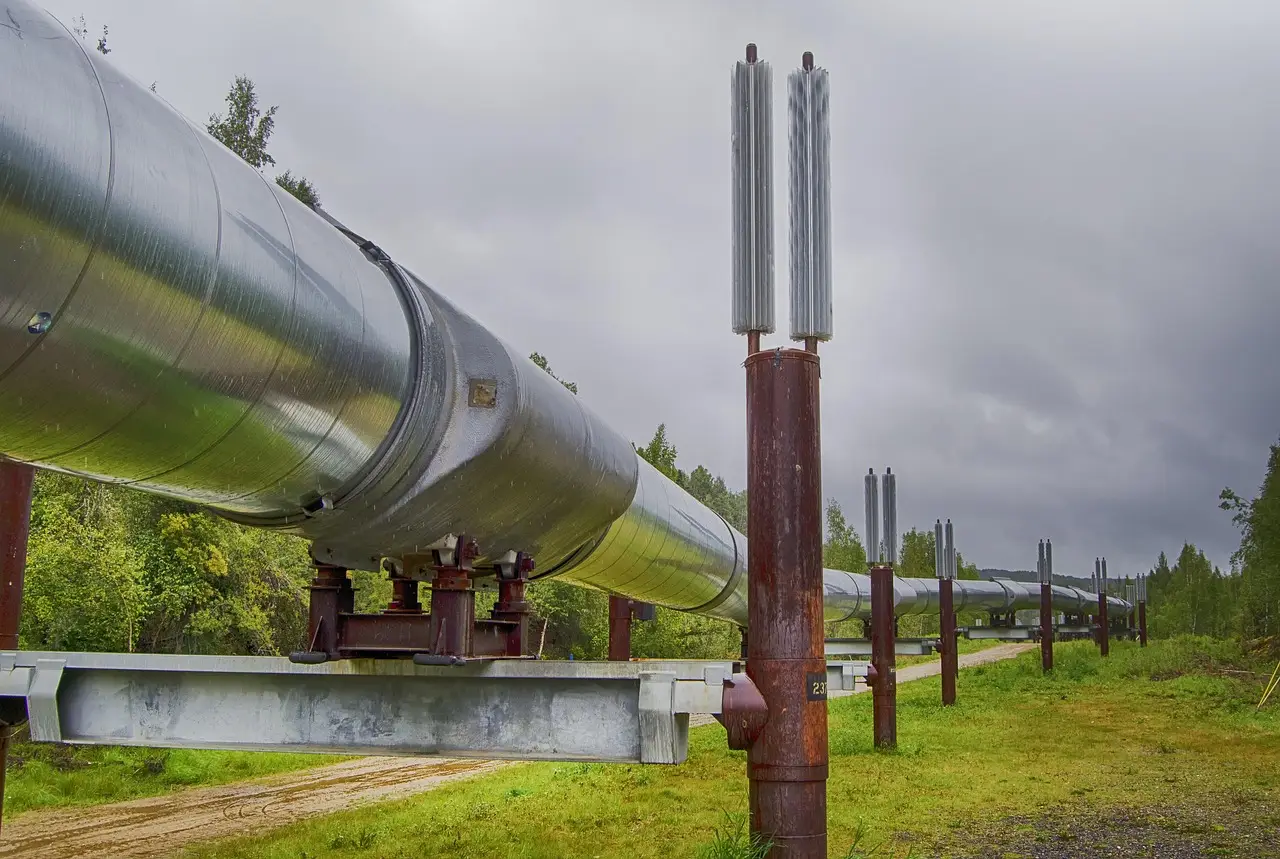
The 1,200-km (745-mile) line runs through the desert across the Arabian Peninsula and remains essential for bypassing the Strait of Hormuz during the regional conflict. SPA called it Saudi Arabia’s critical East-West pipeline. The agency described Monday’s event as another attack.
In plain terms, the latest fire caused no pipeline outage or casualties.
Why does the East-West route matter?
The East-West pipeline provides a bypass around the Strait of Hormuz, which SPA reported remains tightly constricted amid the US-Israel war on Iran.
Since the conflict disrupted oil flows through Hormuz, Riyadh rerouted about 4 million bpd through the line to Yanbu. That volume equals roughly 4% of global supply.
SPA said the pipeline has come under attack several times. The war on Iran continues to fuel a global energy crisis. The route now carries displaced crude away from the constrained waterway.
Monday’s report showed no reduction in pipeline operations. The line remained exposed to attack.
In plain terms, Yanbu is receiving the crude that cannot move normally through Hormuz.
Who carried out Monday’s attack?
The report did not identify the party responsible for Monday’s attack. Responsibility remains unassigned in the official account.
SPA described intensifying fighting between Saudi Arabia and the Yemeni government coalition that Riyadh backs. The agency also cited Iran-backed Houthi rebels in Yemen.
According to SPA, the Houthis have repeatedly targeted Saudi oil infrastructure with drones and missiles, including refineries and storage facilities that form part of the country’s energy system.
That history does not identify the attacker in the Medina incident. SPA made no claim that the Houthis carried out Monday’s action.
The official account leaves the latest attacker unnamed. It does not connect the incident to the wider fighting.
In plain terms, responsibility for Monday’s attack remains unassigned.
What did the September shutdown show?
Saudi Arabia shut the pipeline for several days in September after drone attacks. Riyadh said the attacks were launched from Iraq.
The earlier event caused a multi-day shutdown. Monday’s limited fire caused none. The Ministry of Energy reported unaffected pipeline operations.
The contrast matters for the 1,200-km system’s current role in supplying Yanbu, where about 4% of global oil supply now reaches the coast through the pipeline. A repeated target can still show different operating outcomes. Severity and duration separated the September closure from Monday’s contained incident.
The latest stated volume remains about 4 million bpd. The Monday report gave no revised flow figure or capacity estimate.
Saudi Arabia’s system has therefore recorded two recent outcomes: a multi-day September closure after attacks from Iraq and an unaffected Monday operation after a contained Medina fire.
In plain terms, the September halt and Monday fire produced different operating results.
What should operators watch next?
The immediate watch item is continuity of Saudi Arabia’s 4 million bpd reroute to Yanbu. Any sustained closure would place that diverted flow and the pipeline’s bypass role at risk.
Operators also should track whether the Medina section remains secure. They should watch for an official identification of the attacker. They should also monitor whether attacks broaden to refineries or storage facilities again.
The Monday report announced no new operating measure for the line. The next checkpoint is whether it continues unaffected while carrying the current volume.
Watch whether the Medina pipeline remains unaffected and whether the 4 million bpd Yanbu flow continues.
via aljazeera.com (Source)
More from Olivia Hart
Show full bio
Correspondent covering technology and product news in Oil and gas industry operations and markets at Rig & Refinery.
567 articles
Adjoining reports
- East-West Pipeline Attack Reprices Gulf Crude Risk as OPEC Hits 90%
- Militia Strike on East-West Pipeline Underscores Hormuz Workaround Limits
- Saudi East-West Pipeline Reportedly Hit Again Near Yanbu
- Satellite Images Reveal Damage to Saudi Pipeline Bypassing Hormuz
- Saudi Arabia Halts East-West Pipeline Flows After New Attack