Well report No. RR-8720 · T12N · R1W · SEC 24 · filed October 10, 2026
OffshoreWell report
Rockhopper Puts $44 Million Behind 35% of Sea Lion FPSO
Rockhopper has committed $44 million for a 35% stake in the Sea Lion FPSO development, concentrating the explorer's capital on its flagship offshore project.
Field notes
- Rockhopper commits $44 million to the Sea Lion FPSO project
- The payment secures a 35% stake in the floating production scheme
- Partner holds the remaining 65% interest
- Commitment positions the project closer to formal sanction
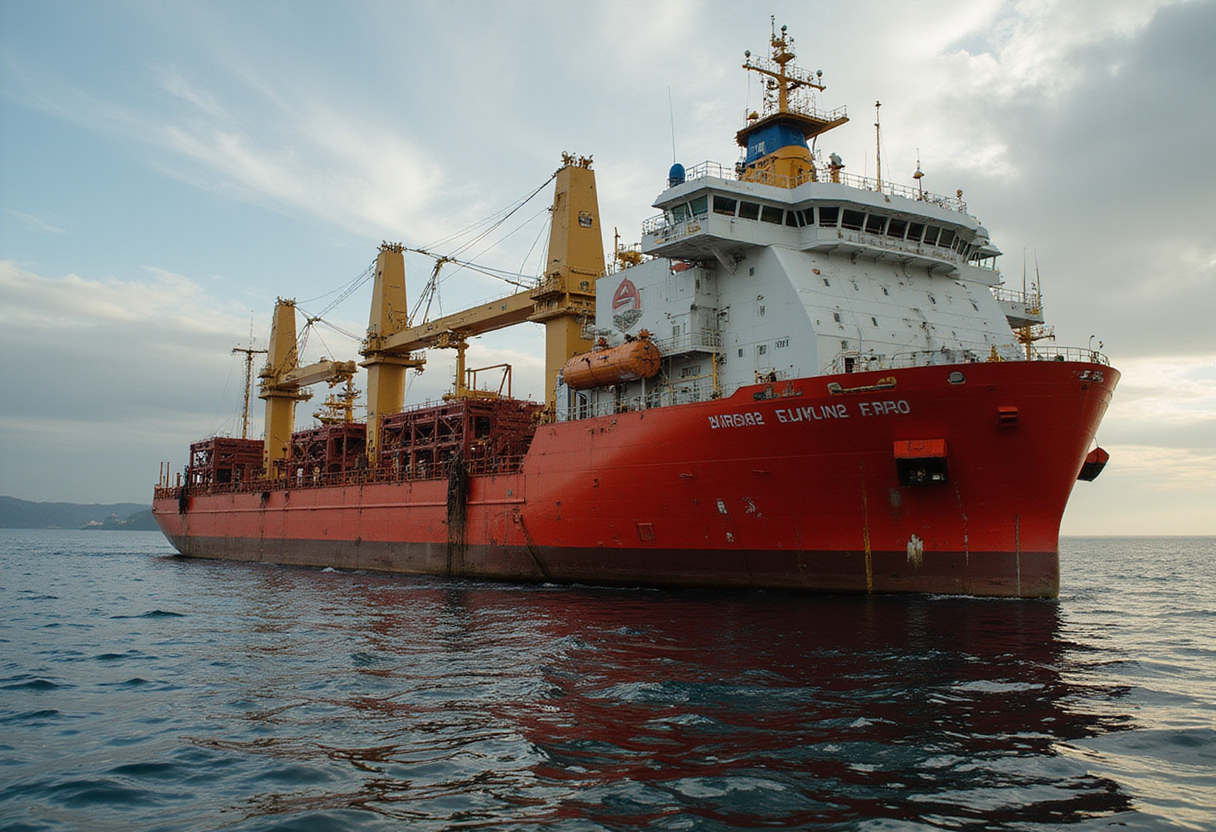
Rockhopper Exploration has committed $44 million for a 35% stake in the Sea Lion FPSO scheme, the company's flagship development, according to Share Talk. The number is the headline: a mid-sized, single-asset commitment that keeps the operator's capital exposure concentrated on one floating production, storage and offloading vessel rather than a diversified portfolio.
The $44 million figure covers Rockhopper's 35% interest in the project. That leaves the balance of the equity — 65% — with its joint-venture partner, and it frames the capital call each participant faces as the development moves toward sanction and construction.
What does the commitment actually buy?
The payment secures Rockhopper's 35% share of the Sea Lion FPSO development. For a company of Rockhopper's size, $44 million represents a material allocation of capital to a single offshore project. The structure signals that the partnership has moved past conceptual screening: committing funds to a defined interest in the FPSO is a project-level decision, not an exploration option.
The deal item matters to readers tracking frontier-basin development economics because it puts a hard equity cheque against a floating production scheme that has spent years in the pre-final-investment-decision queue. Where an operator signs a $44 million commitment for 35%, the implied full-project equity funding base is proportionally larger across the partnership.
How does the stake shape the risk profile?
A 35% interest concentrates both upside and exposure. Rockhopper now carries more than a third of the project's capital obligations and, in return, holds the same share of its production. For an explorer of this scale, that concentration cuts both ways:
- Upside: 35% of Sea Lion's output and any future expansion phases.
- Downside: an equivalent share of cost overruns, schedule slippage, and FPSO construction risk.
- Signalling: a signed commitment often precedes the formal sanction package and vessel contracting.
Investors reading the announcement will focus on how the $44 million slots into the broader funding plan — whether it covers Rockhopper's share through sanction, or only to a defined milestone. The company has not spelled that staging out in the headline figure.
What should the market watch next?
The watch items are straightforward. First, the formal investment decision and the accompanying full-field capital estimate, which will show whether the $44 million is the whole of Rockhopper's exposure or a first tranche. Second, FPSO contracting: a charter or lease-and-operate award for the vessel would confirm the project's execution path. Third, the development drilling schedule, which typically locks in first-oil timing.
The commitment itself is the fact of record: $44 million, 35%, one FPSO. Everything beyond that — sanction timing, vessel award, first production — remains ahead of the partnership. Traders and analysts following small-cap E&Ps will treat this as a de-risking step for the asset and a balance-sheet question for the company.
The margin to watch is execution. Frontier offshore projects live or die on FPSO delivery schedules and contracted uptime, and Rockhopper's 35% now carries that risk directly.
via Google News: Offshore drilling and FPSOs (Source)
More from James Calloway
Show full bio
Staff writer covering industry trends and analytics at Rig & Refinery.
384 articles