Well report No. RR-6502 · T2N · R29W · SEC 14 · filed October 10, 2026
OffshoreWell report
Trump administration orders restart of California offshore leasing
The Trump administration has ordered a restart of federal oil and gas leasing along the California coast, a directive issued as the United States remains engaged in active military conflict with Iran.
Field notes
- Federal Pacific OCS lease sales: none held since 1984, following the 1969 Santa Barbara compromise
- California state oil production: under 30,000 barrels per day, a sliver of the Lower-48 baseline
- Timeline from new federal lease sale to first commercial oil: 7 to 15 years
- Minimum BOEM leasing process duration on expedited track: 18 months before lease issuance
- California has consistently opposed federal Pacific leasing and litigated prior lease sales since the 1980s
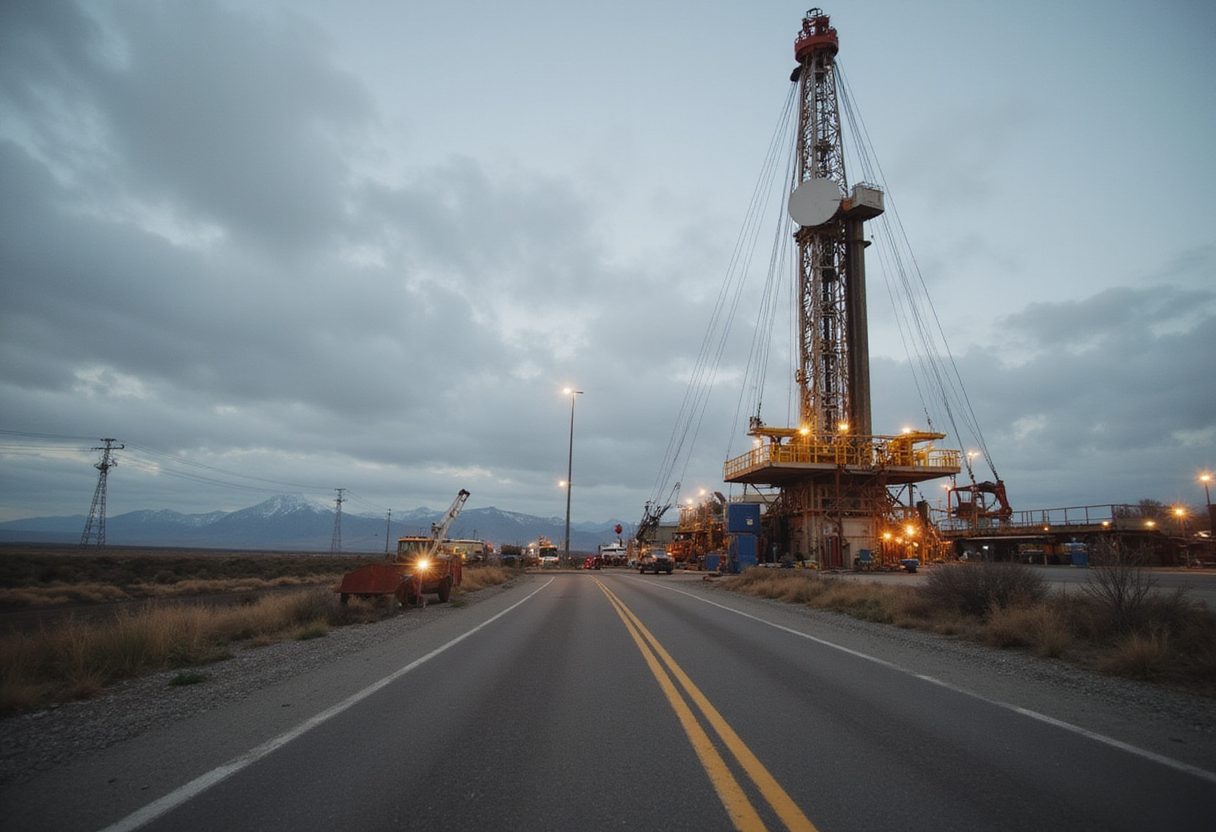
The Trump administration has ordered a restart of federal oil and gas leasing along the California coast, a directive issued as the United States remains engaged in active military conflict with Iran.
The order, first reported by the Los Angeles Times, reopens a policy front that successive administrations have left closed in various forms for four decades.
The federal government has not held a lease sale on the Pacific Outer Continental Shelf since 1984. That year, the state and federal government reached a compromise following the 1969 Santa Barbara blowout — the spill that reshaped U.S. coastal energy policy and triggered a moratorium on Pacific leasing that has governed the region since.
What does the directive cover?
The initial reporting does not specify which California lease blocks fall under the order, the volume of acreage offered, or whether existing leaseholders will see new exploration windows.
Implementing guidance from the Department of the Interior will determine whether the directive targets the limited Pacific OCS acreage or whether it extends to onshore federal minerals within the state.
How significant is the California coast to U.S. supply?
State production has run well under 30,000 barrels per day in recent reporting periods — a sliver of the Lower-48 baseline. State refineries draw the bulk of their crude from imports and out-of-state basins, not from in-state production.
A small number of platforms in federal waters off Santa Barbara and the southern California coast continue to produce from leases issued before the 1984 moratorium. Those legacy assets represent the entirety of current federal Pacific offshore output and have run at a small fraction of national production for years.
How does the Iran conflict shape the timing?
The administration has framed recent energy policy moves against Middle East instability. The Iran war has raised concerns about Gulf shipping and Persian Gulf crude flows, and a domestic supply response is a recurring talking point in administration messaging.
A California lease decision, however, will not move the supply needle on any near-term horizon. The California coast would require platform installations, subsea pipeline construction, and harbor logistics that operators have not run for a generation.
What is the regulatory pathway?
Federal Pacific OCS leasing falls under the Bureau of Ocean Energy Management, which administers the five-year leasing program. Any sale would require a lease sale notice, an environmental impact statement under NEPA, and a public comment period.
Even on an expedited track, those steps run a minimum of 18 months before a lease is issued. California has consistently opposed federal Pacific leasing since the 1980s. The state has challenged prior lease sales in court, and any post-sale activity would likely trigger renewed litigation from the California Attorney General and coastal counties.
What is the timeline to first oil?
Any new federal lease flow, if it advances, would carry a 7-to-15-year timeline before producing commercial barrels. Environmental review, exploration drilling, and infrastructure build-out all precede any barrel reaching market.
Domestic supply responses to Middle East tensions have historically come from operators in the Permian, Bakken, and Eagle Ford accelerating existing programs — not from new frontier leasing.
What to watch
The Interior Department's implementing guidance, the acreage scope of any subsequent BOEM lease notice, and California's legal response will determine whether the directive translates into active drilling or remains a policy statement.
The first published lease sale notice for Pacific acreage, if one appears in the Federal Register, will be the operational trigger. Industry response from companies operating existing Pacific OCS assets will be an early indicator of how the order translates into activity.
via Google News: Oil drilling and production (Source)
More from Daniel Okafor
Show full bio
Market editor covering consumer brands and retail at Rig & Refinery.
321 articles
Adjoining reports
- Trump administration moves to reopen Southern California offshore leases
- Washington advances next procedural step toward California offshore drilling
- California readies challenge to Trump offshore drilling plan
- West Coast Governors Line Up Against Federal Offshore Drilling Push
- California Enacts AB 1448, Targeting Federal Offshore Drilling