Well report No. RR-3363 · T15N · R34W · SEC 15 · filed October 10, 2026
Refining & PetrochemicalsWell report
Salavat Refinery in Bashkortostan Reported Burning After Attack
A fire is burning at the Salavat refinery in Russia's Bashkortostan after an attack, The Kyiv Independent reported, with no damage assessment yet available.
Field notes
- Fire reported burning at the Salavat oil refinery in Russia's Bashkortostan after an attack.
- The Kyiv Independent reported the incident; cause and extent of damage unconfirmed.
- Salavat is among Russia's largest refining and petrochemical complexes.
- No statement on unit shutdowns or capacity loss had been issued at the time of reporting.
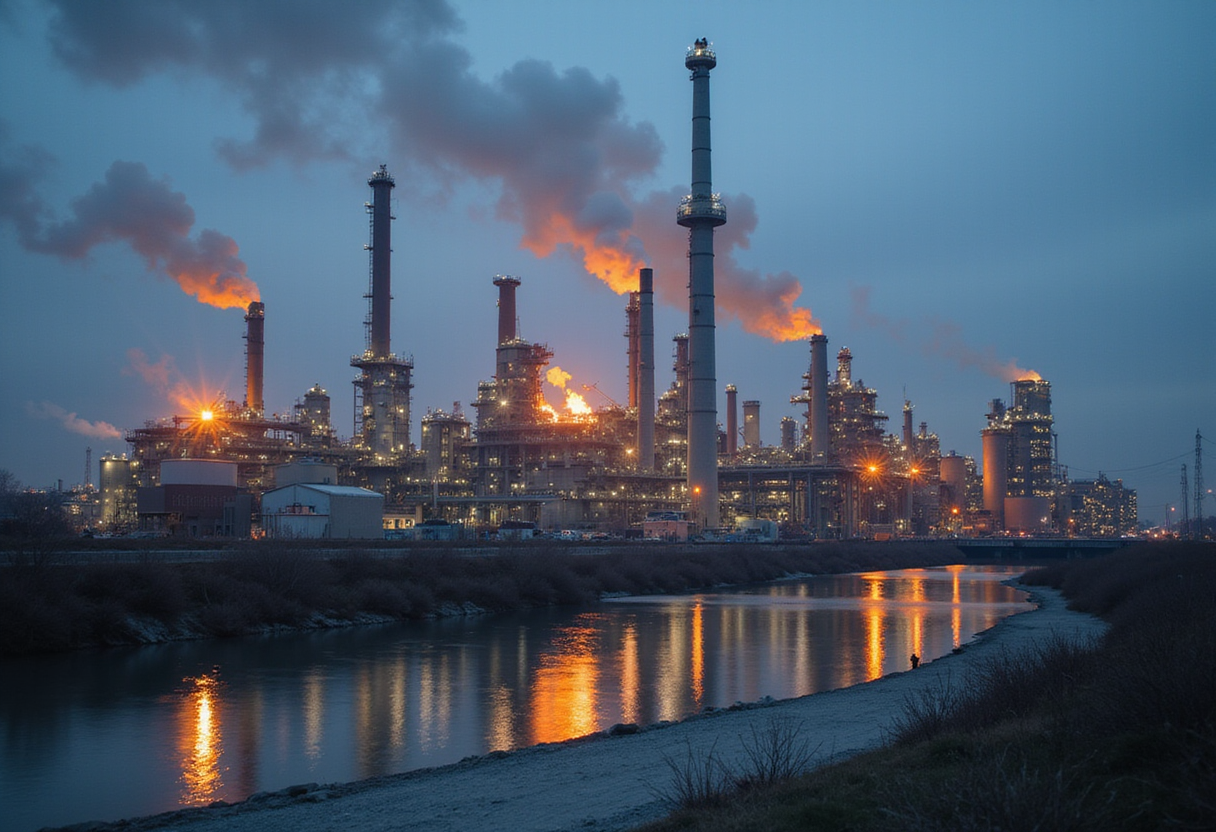
A fire is burning at the oil refinery in Salavat, Russia, following an attack, The Kyiv Independent reported. The plant, located in the Republic of Bashkortostan roughly 1,500 km from the Ukrainian border, is among the largest refining and petrochemical complexes in the Russian Federation.
Reports of the blaze emerged on [date of reporting], with the outlet citing unspecified sources for the claim that the facility had been struck. No independent confirmation of the cause of the fire, the extent of the damage, or the units affected was available at the time of writing. Russian officials had not issued a statement on the incident when the report was published.
What is at stake at Salavat?
The Salavat complex — operated by Gazprom's refining arm — sits at the heart of Russia's Volga-Ural refining heartland, a region that also hosts major plants at Ufa, Orsk, and Omsk's larger sibling facilities farther east. Salavat processes both domestic Bashkir crude and feedstock tied into the broader West Siberian pipeline system, and it produces a slate spanning motor fuels, lubricants, and petrochemical intermediates including ammonia and fertilizers.
For Russian fuel supply, the significance of any outage at Salavat depends on which units are hit and for how long:
- A crude distillation unit hit would cut primary throughput directly.
- Damage to hydrotreating or catalytic units would hit clean-product yield even if crude runs continue.
- Fires at tank farms, a recurring pattern in previous strikes on Russian refineries, often force precautionary shutdowns of adjacent process units.
None of these scenarios has been confirmed at Salavat. The report establishes only that a fire is burning at the site after an attack.
How does this fit the wider pattern?
If confirmed, Salavat would join a lengthening list of Russian refining facilities affected by strikes since early 2024. Previous incidents have forced temporary shutdowns and run cuts at plants including Ryazan, Novoshakhtinsk, Syzran, and Volgograd, at points knocking several hundred thousand barrels per day of combined distillation capacity offline for weeks at a time.
Analysts tracking Russian fuel balances have generally attributed resilience in domestic supply to three factors: repairs executed faster than expected, product exports curtailed to protect the home market, and the sheer redundancy of a refining system whose installed capacity far exceeds domestic demand. That commentary is analysis, not established fact, and Salavat's place in it cannot be judged until damage assessments surface.
What happens next?
The watch items are concrete. First, satellite imagery of the site should confirm within days whether process units, tankage, or both are alight. Second, Russian Energy Ministry data and trader chatter will show whether Salavat's output has slipped or product allocations have been reshuffled. Third, any export ban adjustments or domestic fuel-market stabilization measures from Moscow would signal how seriously the government rates the outage.
For refiners, traders, and buyers of Russian-origin products in nearby markets, the near-term signal is caution: a fire at a plant of Salavat's size carries the potential to tighten regional diesel and fuel oil balances, but nothing in the initial report quantifies the loss. Until the operator or Russian authorities acknowledge damage, any capacity figure attached to this incident remains speculation.
Rig & Refinery will update this story as confirmation of the affected units, any casualty or shutdown figures, and official responses become available.
via Google News: Refineries and petrochemicals (Source)
More from Olivia Hart
Adjoining reports
- Drone Strike Sets Fire at Salavat Refinery in Russia's Bashkortostan
- Drones hit Gazprom's 10-million-tonne Salavat refinery complex in Bashkortostan
- Ukrainian strike hits Gazprom Neftekhim Salavat refinery in Bashkortostan
- Drone Strike Ignites Fire at Petrochemical Plant in Bashkortostan
- Kyiv confirms strike on Gazprom Neftekhim Salavat refinery