Well report No. RR-1843 · T9N · R27W · SEC 33 · filed October 20, 2026
Refining & PetrochemicalsWell report
Satellite Images Show Drone Damage at Salavat Refinery
Satellite imagery confirms a drone attack damaged facilities at the Salavat refinery in Bashkortostan, one of Russia's largest refining and petrochemical complexes.
Field notes
- Satellite images confirm drone attack damaged facilities at the Salavat oil refinery
- Salavat is one of Russia's largest refineries, located in Bashkortostan
- Imagery published by Censor.NET provides first independent confirmation of damage
- Extent of damage and repair timeline remain unquantified
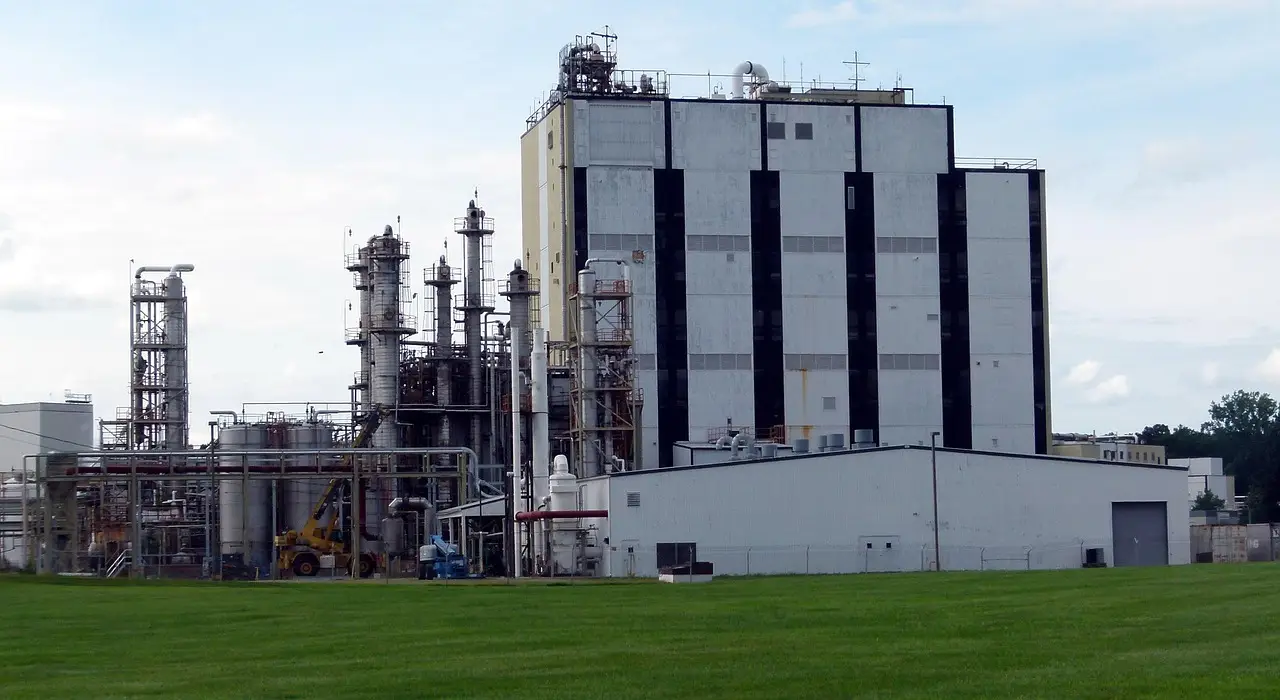
Satellite imagery reviewed after the strike confirms that a drone attack damaged facilities at the Salavat oil refinery, one of Russia's largest refining complexes, located in Bashkortostan.
The images settle what official statements left vague: the attack did not just rattle the fence line at Salavat. It hit infrastructure inside the plant, leaving damage visible from orbit.
Salavat is no fringe asset. The complex, operated by Gazprom Salavat via Gazprom Neftekhim, ranks among the biggest refineries in Russia, pairing large crude processing capacity with petrochemical production. That scale is what makes any confirmed damage there a market-relevant event rather than a local incident.
What do the images actually show?
The satellite pictures, published by Censor.NET, document damage to refinery facilities following the drone attack. Imagery-based confirmation has become the standard evidence trail for strikes on Russian energy infrastructure, where operators and officials rarely acknowledge the full scope of damage and turnaround timing stays opaque.
For refiners and traders, the pattern is familiar:
- A drone strike is reported overnight.
- The operator says little or nothing.
- Satellite imagery, released days later, establishes what was actually hit.
Salavat now fits that sequence. The confirmation via satellite is the first independently verifiable record of what the attack damaged.
Why Salavat matters to fuel balances
Salavat sits roughly 1,500 km from the border with Ukraine, deeper than most Russian refining assets struck in this campaign. Damage at a complex of this size feeds directly into Russia's domestic diesel and gasoline balances, and extended outage time at any major unit tightens those markets further.
What the imagery does not yet establish is the extent of the damage unit by unit, or how long repairs will take. A singed tank is a different outage than a cracked atmospheric distillation column, and Russian operators have shown they can restart some units within days while others stay cold for months.
The takeaway: the strike is confirmed as physically consequential, but the operational impact — capacity offline, duration, product slates — remains unquantified.
What comes next
Watch for follow-up imagery passes and any shift in Russian product export schedules, which have served as a de facto confirmation mechanism for refining outages before official acknowledgment arrives.
The watch item is the next round of satellite captures at Salavat — they will show whether repairs have begun and which units stay dark.
via Google News: Refineries and petrochemicals (Source)
More from Elena Vasquez
Show full bio
News editor covering technology and product news in Oil and gas industry operations and markets at Rig & Refinery.
537 articles
Adjoining reports
- Kyiv confirms strike on Gazprom Neftekhim Salavat refinery
- Ukrainian Drones Hit 10-Million-Tonne Salavat Refinery and Yandex Data Center
- Drone Strikes Ignite Volgograd Refinery and Samara Tank Farm
- Drone Strike Sets Fire at Salavat Refinery in Russia's Bashkortostan
- Ukrainian Drones Strike Lukoil Refinery in Russia's Komi Republic