Well report No. RR-7867 · T19N · R38W · SEC 7 · filed October 10, 2026
Midstream & PipelinesWell report
Saudi Arabia Restarts East-West Crude Pipeline, Reuters Reports
Saudi Arabia has returned its East-West crude pipeline to service, Reuters reports, restoring a Hormuz-bypass route from Eastern Province fields to Red Sea export terminals.
Field notes
- Saudi Arabia has restarted the East-West crude pipeline, Reuters reported, citing unnamed sources.
- The line links Eastern Province production areas with the Yanbu terminal on the Red Sea coast.
- No restart date or operating throughput was disclosed in the report.
- The pipeline allows Saudi crude exports to bypass the Strait of Hormuz entirely.
- Aramco has not issued a public confirmation; capacity assumptions remain provisional.
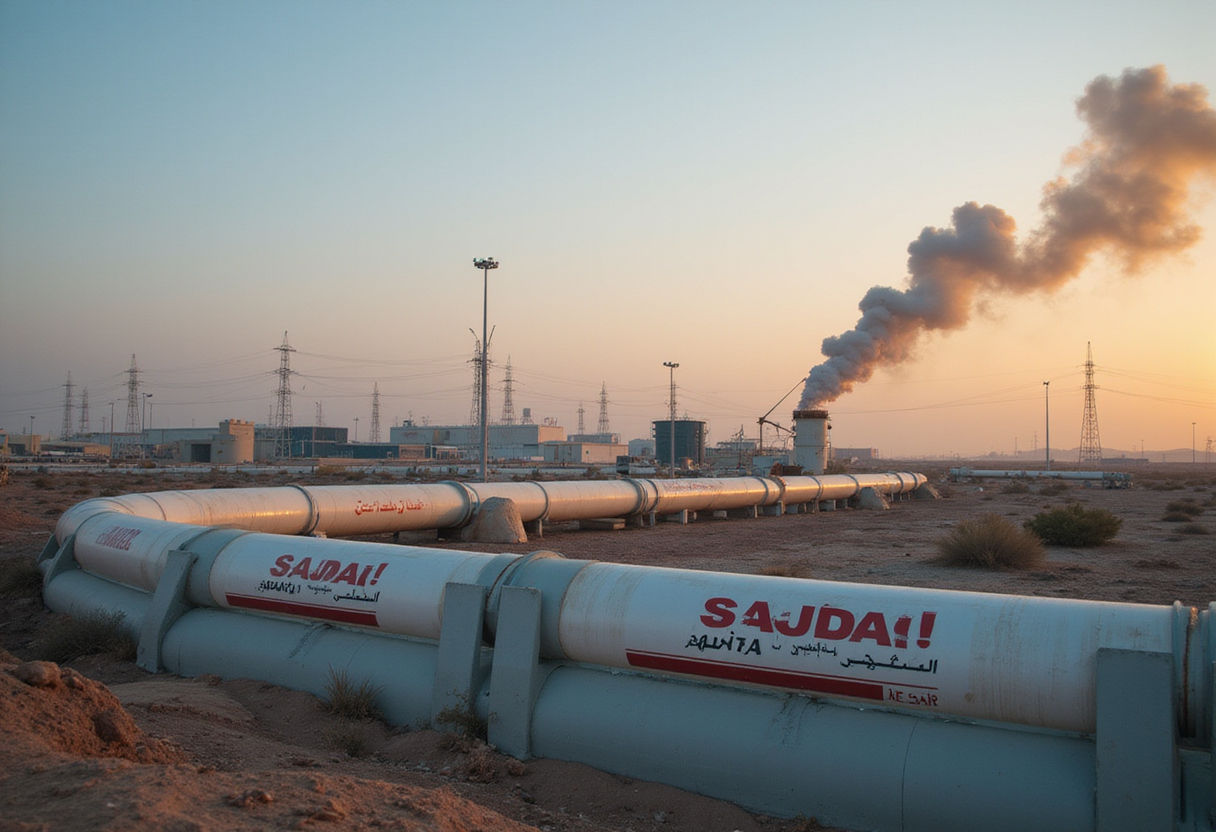
Saudi Arabia has restarted its East-West crude pipeline, according to a Reuters report citing sources familiar with the operation. The line, which carries crude from fields in the Eastern Province to export and loading infrastructure on the Red Sea coast, is back in service after a period in which its status had drawn market attention.
The Reuters report did not specify the restart date or the throughput level at which the pipeline is currently operating, and Saudi authorities had not issued a public confirmation at the time of writing. Aramco, the pipeline's operator, does not routinely publish line-by-line operational updates.
Why does the East-West line matter?
The pipeline links Saudi Arabia's producing heartland around Abqaiq and the Ghawar-area processing complex in the east with the Yanbu terminal on the Red Sea, giving the kingdom a routing option that bypasses the Strait of Hormuz entirely. That bypass capability is the asset's core strategic value, both for Saudi export flexibility and for the broader Gulf crude market.
Key context for the restart:
- The line allows Eastern Province crude to reach Red Sea loading facilities without transiting Hormuz.
- Its availability affects how quickly Saudi volumes can shift between east- and west-facing export routes.
- Operational status is normally confidential; Reuters attributed the restart to unnamed sources rather than an official statement.
What does the restart change?
For crude traders and refiners watching Gulf supply, a functioning East-West pipeline widens Aramco's routing options at a moment when Red Sea shipping security remains a live concern for tanker operators and insurers. The restart does not change production volumes by itself; it changes the logistics envelope around those volumes.
The news will feed into freight and crude-differential calculations across Northwest Europe and Asia, where Saudi term cargoes price off the destination mix. Any shift in the split between Gulf and Red Sea loadings tends to show up first in tanker rates on the relevant routes, according to shipping brokers who track Saudi loading programs.
What is the watch item?
The item to monitor is official confirmation and any operational detail from Aramco or the Saudi energy ministry — specifically, whether the line is running at partial or full capacity and whether loading schedules at Yanbu adjust in coming months. Absent that, the Reuters sourcing stands as the sole basis for the restart claim, and market participants will treat capacity assumptions as provisional.
via Google News: Pipelines and midstream (Source)
More from James Calloway
Show full bio
Staff writer covering industry trends and analytics at Rig & Refinery.
384 articles