Well report No. RR-9061 · T19N · R20W · SEC 19 · filed October 10, 2026
Midstream & PipelinesWell report
Saudi East-West Pipeline rebuilding throughput, loadings still paused
Saudi Arabia's East-West Pipeline is building crude volumes, but terminal loadings have yet to resume, sources told Reuters.
Field notes
- East-West Pipeline is building up crude volumes, sources told Reuters
- Loading operations at the pipeline's terminal have not yet resumed
- The line links Eastern Province fields to Red Sea coast export terminals
- No official Saudi operational statement accompanied the report
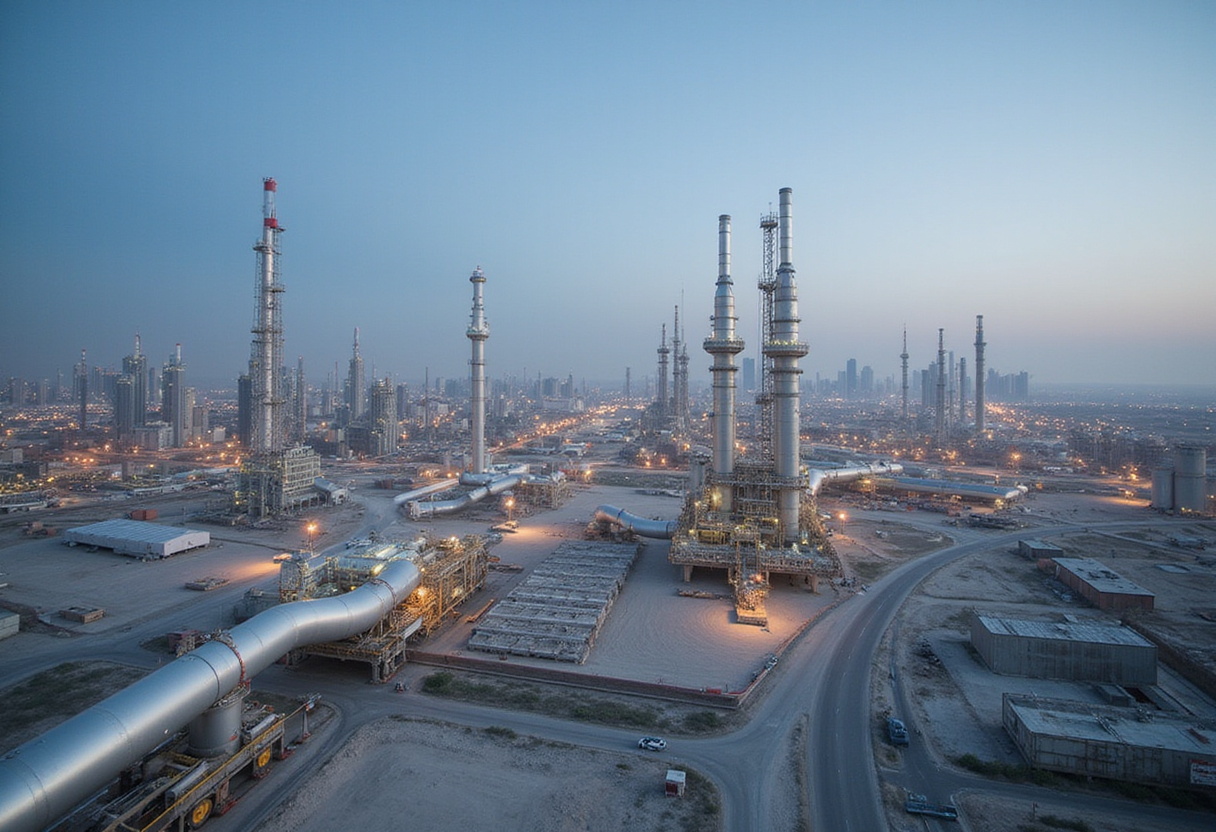
Saudi Arabia's East-West Pipeline is building up crude volumes again, but loading operations at the line's terminal have not yet resumed, trade sources familiar with the operation told Reuters.
The pipeline, which carries crude from fields in the Eastern Province across the kingdom to the Red Sea coast, has been working back toward normal throughput following the disruption that halted loadings. Traders tracking the system report rising line fill, while export cargoes remain on hold.
What is moving, and what is not?
According to the sources, the distinction is straightforward: the pipeline itself is accepting and moving incremental volumes, while the downstream loading function — the step that puts barrels onto tankers — has yet to come back.
That split matters for the market. Throughput recovery signals the physical system is operational end to end on land. Loading resumption is the milestone exporters, term customers and freight books watch, because it is the point at which the pipeline's barrels re-enter the seaborne supply chain via Red Sea terminals.
Reuters attributed the account to sources, and Saudi authorities had not issued a public operational update at the time of the report.
Why the East-West line matters
The East-West Pipeline gives Riyadh a route to ship Eastern Province crude to the kingdom's west coast, bypassing the Strait of Hormuz entirely. That capability underpins Saudi Arabia's stated ability to route supply to customers when Gulf waterway transit is disrupted.
Any interruption on the line therefore draws close attention from crude traders and refiners alike, since the system is one of the few pieces of infrastructure that can shift large volumes of export crude between export theaters.
What comes next?
The watch item is the restart of loadings. Traders cited by Reuters indicated the pipeline is already building volumes, which typically precedes a resumption of tanker operations at the receiving terminal.
Until an official statement or loading program confirms cargoes moving again, market participants will treat the throughput recovery as partial restoration rather than full return to service. Watch for confirmation from Saudi pipeline operator or terminal authorities, and for any revised loading schedules.
via Google News: Pipelines and midstream (Source)
More from Daniel Okafor
Show full bio
Market editor covering consumer brands and retail at Rig & Refinery.
335 articles