Well report No. RR-5038 · T2N · R12W · SEC 26 · filed October 10, 2026
Midstream & PipelinesWell report
Saudi Arabia restarts East-West Pipeline after drone attack
Saudi Arabia has restarted the East-West Pipeline to resume crude exports days after a drone attack forced a temporary shutdown, according to Pipeline Technology Journal, restoring flow on the kingdom's Yanbu-bound crude artery.
Field notes
- Saudi Arabia restarted the East-West Pipeline to resume crude exports within days of a drone attack
- Restart concludes a temporary shutdown triggered by the strike, per Pipeline Technology Journal
- Pipeline links Eastern Province processing facilities to the Yanbu Export Terminal on the Red Sea
- Saudi Aramco operates the line, which offers an export path bypassing the Strait of Hormuz
- Report does not identify the affected segment, volumes lost, or party responsible for the strike
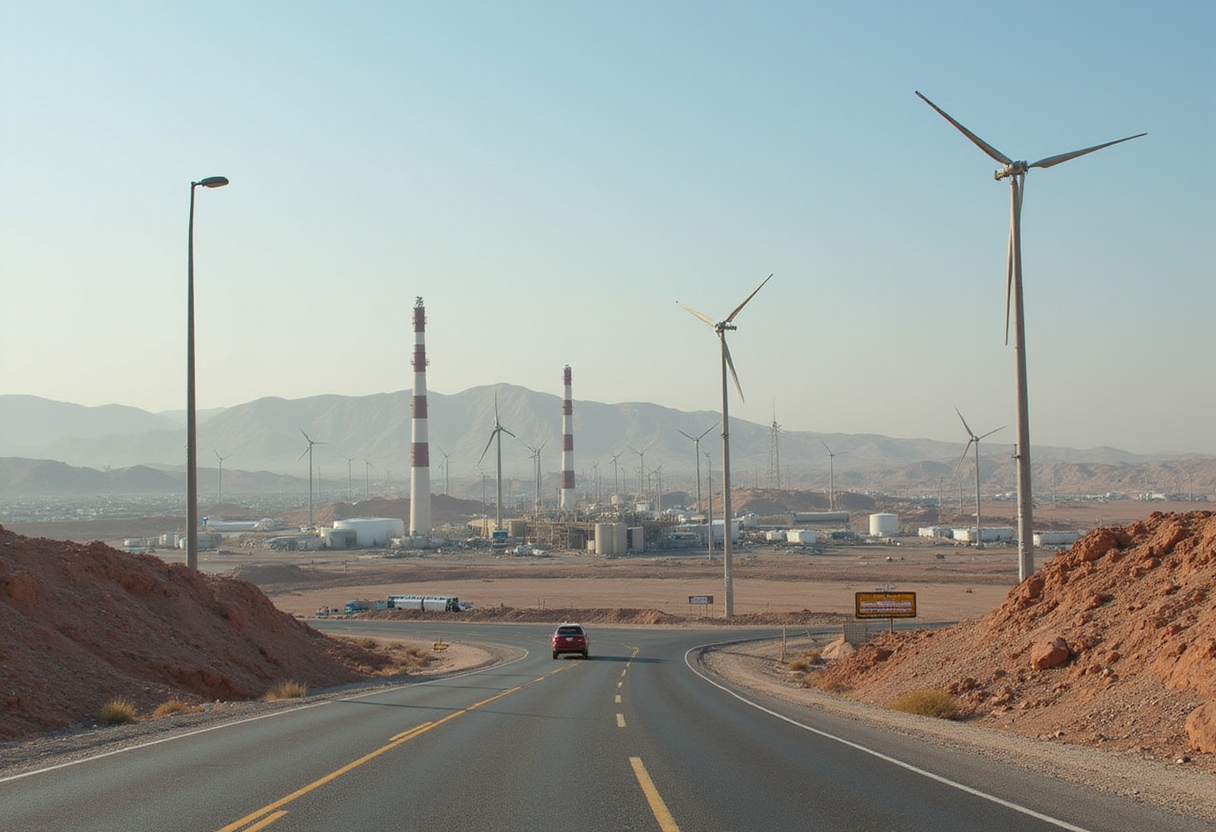
Saudi Arabia has restarted the East-West Pipeline to resume crude exports days after a drone attack forced a temporary shutdown, Pipeline Technology Journal reported.
The East-West Pipeline carries hydrocarbons from Eastern Province processing complexes across the kingdom to the Yanbu Export Terminal on the Red Sea. Operating the line gives Riyadh a direct export route to European and Atlantic-basin buyers that does not require transit through the Strait of Hormuz.
What the restart restores
Industry references identify the East-West Pipeline as Saudi Arabia's principal overland crude artery, with multi-million-barrel-per-day nameplate capacity. Saudi Aramco calibrates actual throughput to the kingdom's crude slate and grade-allocation priorities.
The restart reported by Pipeline Technology Journal ends a halt that began in the days following the strike. The publication did not specify the outage's duration or the segment affected.
Why this route matters
Saudi Arabia typically exports crude through three corridors: the East-West Pipeline to Yanbu, the Abqaiq-to-Yanbu pipeline system, and tanker lifts from Persian Gulf terminals including Ras Tanura. Each serves a distinct grade profile and pricing window. A single-route outage pushes buyers onto the remaining arteries, tightens prompt-month differentials, and intermittently sharpens the Brent-Dubai spread.
The pipeline has weathered multiple disruptions over the past decade. A September 2019 attack on the Abqaiq processing facility knocked a significant share of Saudi production offline. That same year, strikes attributed by Riyadh and Western governments to Iranian-aligned actors hit East-West pumping stations and briefly interrupted westbound flow before repairs restored service.
What remains unclear
The Pipeline Technology Journal report does not specify:
- The pipeline segment affected
- Throughput volumes lost during the shutdown
- The exact outage duration
- The party responsible for the strike
- Repair scope or capital exposure
Each item will draw scrutiny from refiners monitoring Atlantic-basin sweet crude supply, traders pricing the Brent-Dubai exchange of futures for swaps, and analysts parsing Saudi Aramco's monthly export disclosures.
Watch items this week
Saudi Arabia's East-West operations draw close attention from regulators, refiners, and traders. Key items to monitor:
- Confirmation from Saudi Aramco of restored nominal throughput
- Recovery of any deferred cargoes to Yanbu
- Official attribution statement from the Saudi energy ministry
- Brent-Dubai spread action following the restart
- Insurance and tanker freight rate moves in the Persian Gulf and Red Sea
- Reports of additional incidents on Saudi or Gulf energy infrastructure
Prompt-month differentials on Arab Light and Arab Medium grades typically widen when a major export artery stalls, then compress as flows normalize and arbitrage windows close. The Brent-Dubai EFS — pricing the cost of swapping Brent into Dubai-delivered barrels — will register any sustained arbitrage window.
A clean restart would normalize flows within days. Further disruption would test Aramco's pipeline redundancy and channel more volume onto Strait of Hormuz tanker lifts, a chokepoint under continuous Western naval scrutiny.
via Google News: Pipelines and midstream (Source)
More from Priya Raman
Show full bio
Senior reporter covering media and advertising at Rig & Refinery.
395 articles
Adjoining reports
- Saudi Arabia Restores East-West Pipeline Oil Exports After Repairs
- Saudi Arabia Restarts East-West Crude Pipeline, Sources Say
- Saudi Arabia signals reopening of East-West crude pipeline: FT
- Saudi Arabia Restores East-West Pipeline Crude Flows After Repairs
- Saudi Arabia Restores Oil Flows on East-West Pipeline