Well report No. RR-8987 · T9N · R13W · SEC 33 · filed October 10, 2026
Petroleum MarketsWell report
Saudi Crude Cargoes at Sea Weigh on Oil Prices
Rising volumes of Saudi crude in transit are pulling oil prices lower, Investing.com reports, as cargoes already committed to the market signal supply overhang.
Field notes
- Oil prices are trading lower as more Saudi crude cargoes in transit hit the market, per Investing.com
- Seaborne Saudi barrels are being read as committed supply pressuring dated crude assessments
- Saudi Arabia remains the world's largest crude exporter and OPEC+ swing supplier
- The next Saudi Official Selling Price release is the key watch item for market direction
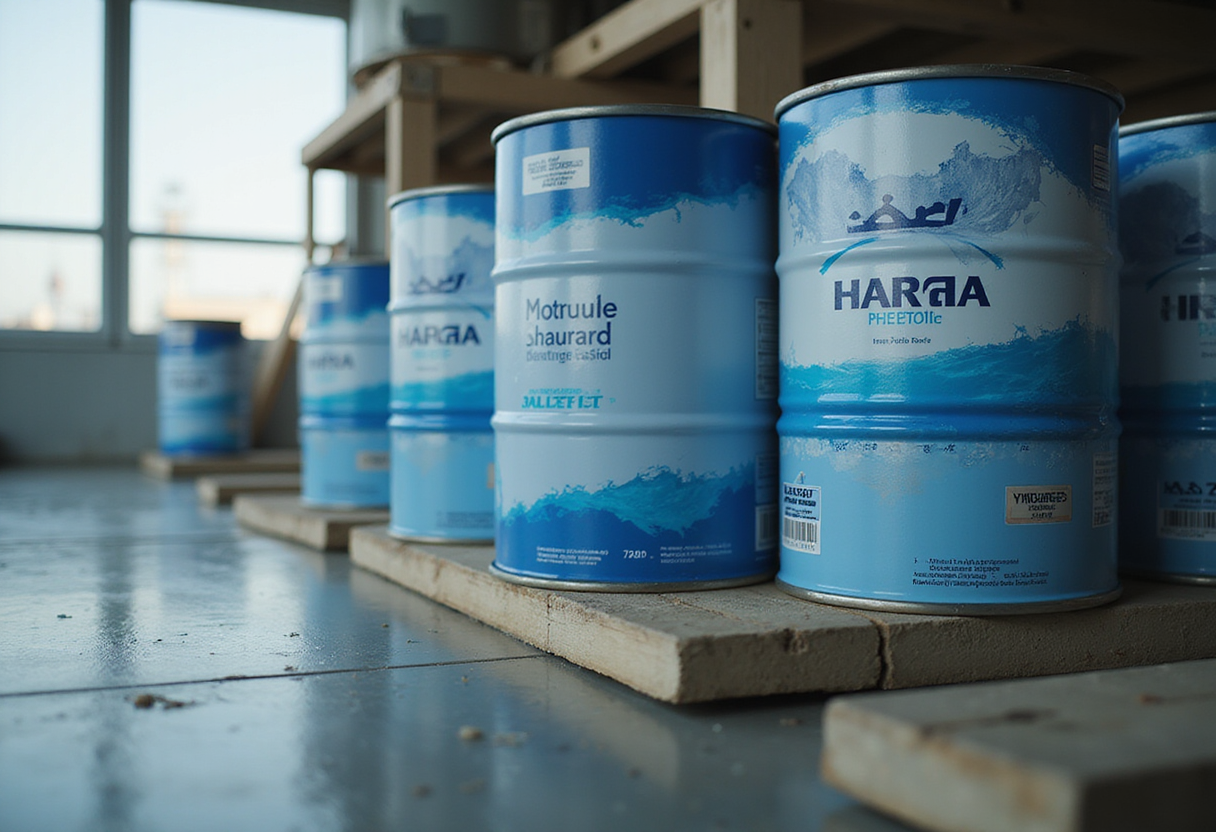
Oil prices are trading lower, and the driver is visible from the deck of any tanker: more Saudi barrels are on the water.
Investing.com's latest oil market daily report points to rising volumes of Saudi crude in transit as the factor pulling prices down. The observation matters because seaborne inventories are one of the most reliable near-term indicators of export intent. When cargoes in transit build, the market reads it as a producer pushing more barrels to buyers, whether or not formal output figures have shifted.
What does rising Saudi export flow signal?
Saudi Arabia remains the world's largest crude exporter and the swing supplier within OPEC+. Its export tempo carries outsized weight for price formation, because it reveals how the kingdom is balancing its production policy against demand signals from refiners in Asia and Europe.
When more Saudi crude is afloat, two readings dominate trade desks:
- Supply overhang — barrels already committed to the market must clear somewhere, pressuring differentials and dated crude assessments.
- Policy translation — the market treats the floating volumes as evidence that earlier OPEC+ decisions to restore supply are now physically arriving, not just announced.
Investing.com frames the move squarely in the first camp: the barrels themselves, already on the water, are pulling crude lower.
Why do barrels in transit move prices faster than output data?
Official production statistics arrive with a lag. Export cargoes do not. Tanker-tracking data and cargo counts surface within days, giving traders a real-time proxy for what producers are actually shipping rather than what they report.
That distinction is central to the current price action. A production increase only becomes market-relevant when it leaves the terminal. Once Saudi crude loads and sails, those barrels are committed supply — they will discharge, they will be refined or stored, and they compete for placement against every other cargo in the water.
For refiners, more Saudi barrels in transit typically means more competitive tender offers from the kingdom's sales arm, which can soften term differentials. For producers outside OPEC+, it tightens the margin of error: incremental barrels from the US shale patch, the North Sea, or West Africa must find buyers against a supplier willing to discount to clear volume.
What should the market watch next?
The bearish read on floating Saudi volumes holds only as long as demand absorbs the barrels. The key follow-on indicators are:
- Asian refinery run rates — the primary destination for Saudi term cargoes; higher runs would absorb supply, softer runs would deepen the discounting.
- Official Selling Prices (OSPs) from Saudi Arabia for the next contract month, which will confirm or refute whether the kingdom is pricing to move volume.
- OPEC+ production policy signals, since rising seaborne exports will feed directly into the group's debate over how much supply to return and how quickly.
- Inventory data from major consumer markets, the ultimate verdict on whether barrels on the water are clearing or backing up.
Investing.com's daily assessment treats the current configuration as a supply-side story: Saudi barrels, already loaded and sailing, applying downward pressure to crude benchmarks. Whether that pressure persists depends less on the tankers and more on the refineries waiting at the end of the voyage — their crude demand, their margins, and their appetite for the additional barrels now streaming out of the Gulf.
The watch item is the next Saudi OSP release. It will show whether the kingdom intends to keep pushing barrels into a softening market or to throttle back and defend price.
via Google News: OPEC and oil markets (Source)
More from Priya Raman
Show full bio
Senior reporter covering media and advertising at Rig & Refinery.
395 articles
Adjoining reports
- Saudi Crude Liftings Pressuring Benchmarks: Oil Market Daily
- Saudi Crude Exports Hit Post-War High Despite Pipeline Outage
- OPEC Output Falls as Conflict Disrupts Saudi Flows, Survey Finds
- Crude Slips as Saudi Arabia Raises Pipeline Throughput
- Oil Falls as Saudi Arabia Raises Throughput on East-West Pipeline