Well report No. RR-5935 · T11N · R45W · SEC 23 · filed October 10, 2026
Petroleum MarketsWell report
Saudi Crude Liftings Pressuring Benchmarks: Oil Market Daily
Oil Market Daily's 'dark side of the boom' commentary argues heavier Saudi crude loadouts onto tankers are pulling international benchmark prices lower in a supply-led move the publication says does not require any OPEC+ policy change.
Field notes
- Oil Market Daily attributes recent benchmark softness to higher Saudi crude export loadouts
- The publication frames the move as 'the dark side of the boom' — supply growth outrunning demand
- The bearish pressure is described as physical-supply-driven, not the result of a fresh OPEC+ signal
- Saudi voluntary-cut adjustments are flagged as the marginal lever on tonnage rather than headline quota
- Watch items named: loadout data, OPEC+ ministerial timing, and front-month curve flattening
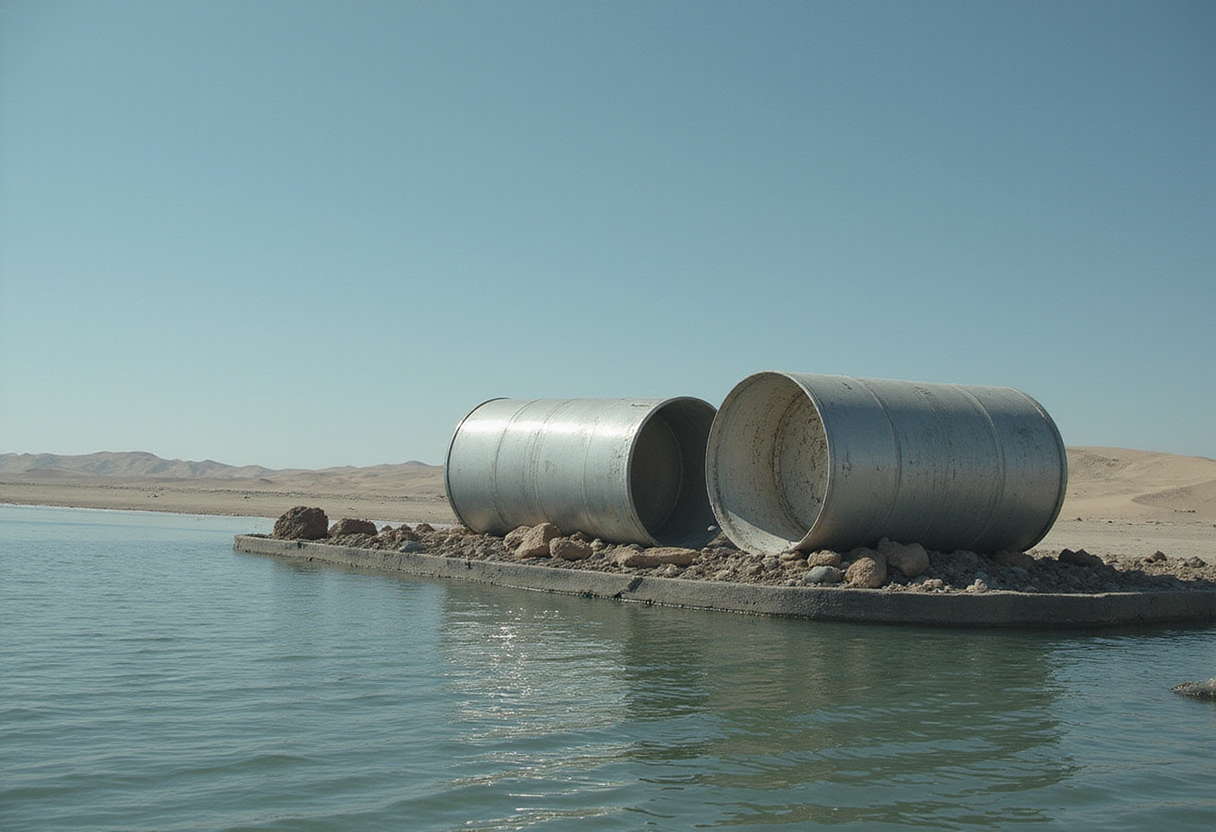
More Saudi barrels moving onto the water are pulling global crude prices lower, according to a market commentary circulated this week under the headline The Dark Side Of The Boom on Oil Market Daily.
The note ties the bearish pressure on benchmark contracts to physical flow rather than to any fresh OPEC+ signal. Pulling crude lower is a phrase trade desks read as supply-led weakness at the loading port, not paper-driven selling out of New York or London.
What is Oil Market Daily actually flagging?
The central observation runs in two points:
- Saudi Arabia's crude export loadout programme has trended higher.
- The seaborne flow from the kingdom has dragged on the front-month benchmark through the period.
The publication frames that linkage as the under-discussed risk in a market otherwise rewarding length. It argues the supply side of the cycle has begun to dominate the price tape, with Saudi barrel movements serving as the most visible proxy.
The argument does not rest on OPEC+ quotas breaking down. Allocated barrels inside the existing envelope can still flow at higher rates, and the kingdom can taper its own voluntary cut at its discretion. The bearish mechanism remains the flow of crude onto the water — not the headline number from the next ministerial meeting.
What does the 'dark side of the boom' actually mean here?
The phrase borrows from longer-standing commentary that bull runs eventually seed their own corrections. New production, slow demand response in selected quarters, and the steady unwinding of spare capacity can converge to soften the price tape.
Oil Market Daily is effectively arguing that the supply side of that equation has begun to dominate the price action, with Saudi tankers loading at the marginal terminal. The kingdom's own voluntary cuts, the publication suggests, can be tapered at its discretion.
That pattern is familiar from earlier OPEC+ cycles. When voluntary cuts unwind faster than demand grows, the marginal barrel clears at a discount. The commentary implies that is today's setup, with Saudi tonnage the marginal mover on the water.
Why should refiners and traders care?
The practical read-through for refining planners is straightforward. Feedstock availability is loosening in the Atlantic Basin and in East-of-Suez refiners waiting on term lifters. Dirty-tanker freight economics from the Arabian Gulf should reflect that.
The framing also carries a second-order concern. If Saudi pricing signals skew toward volume rather than price, term-contract liftings displace spot barrels, and freight becomes the first variable to crack. That dynamic has historically widened the quality differential between grades and put medium-sour loading programmes under direct competitive pressure.
For speculative positioning, the note reads as a caution against chasing flat-price strength when the physical-flow tape points the other way.
Is this a call on OPEC+?
No — and that matters. The bearish case operates inside the existing OPEC+ framework, not against it. Unwinding voluntary cuts, completing maintenance, and pushing allocated barrels to term customers are all consistent with current policy.
That distinction will define the trade through the next quarter. A formal OPEC+ reversal would reset term-contract pricing across the Middle East and tighten the backwardation curve quickly. A pure flow-driven softening looks different: it grinds grades differentials wider and widens the freight premium before it ever shows up in the prompt-month futures contract.
What to watch next
Three variables will tell traders whether the pressure persists or fades:
- Weekly Saudi loadout data, with customer liftings reported against term allocation
- OPEC+ ministerial scheduling and any read-through on voluntary-cut unwind timing
- The front-month curve, where flattening backwardation has historically coincided with looser seaborne supply
The note stops short of naming a price target. The direction it flags, however, is down — provided the kingdom keeps loading at current pace.
via Google News: OPEC and oil markets (Source)
More from Priya Raman
Show full bio
Senior reporter covering media and advertising at Rig & Refinery.
395 articles