Well report No. RR-4635 · T1N · R9W · SEC 25 · filed October 30, 2026
Upstream Drilling & ProductionWell report
Saudi Crude Output Rebounds 12.2% to 8 Million Bpd in September
Saudi crude output rose 12.2% to 8 million bpd in September as STS transfers and Yanbu rerouting offset the East-West pipeline attack, Al Rajhi Capital data show.
Field notes
- Saudi crude output rose 12.2% month over month to 8 million bpd in September, per Al Rajhi Capital Research.
- September 10 attacks halted the East-West pipeline and Yanbu loadings for two weeks; output still rose via Gulf of Oman ship-to-ship transfers.
- Brent settled at $103.5 per barrel at end-September, lifting Saudi oil revenues.
- Q2 2026 real GDP fell 4.7% year over year as oil activities plunged 24.8%.
- August 2026 merchandise exports fell 11.5% year over year; oil exports fell 12.5%.
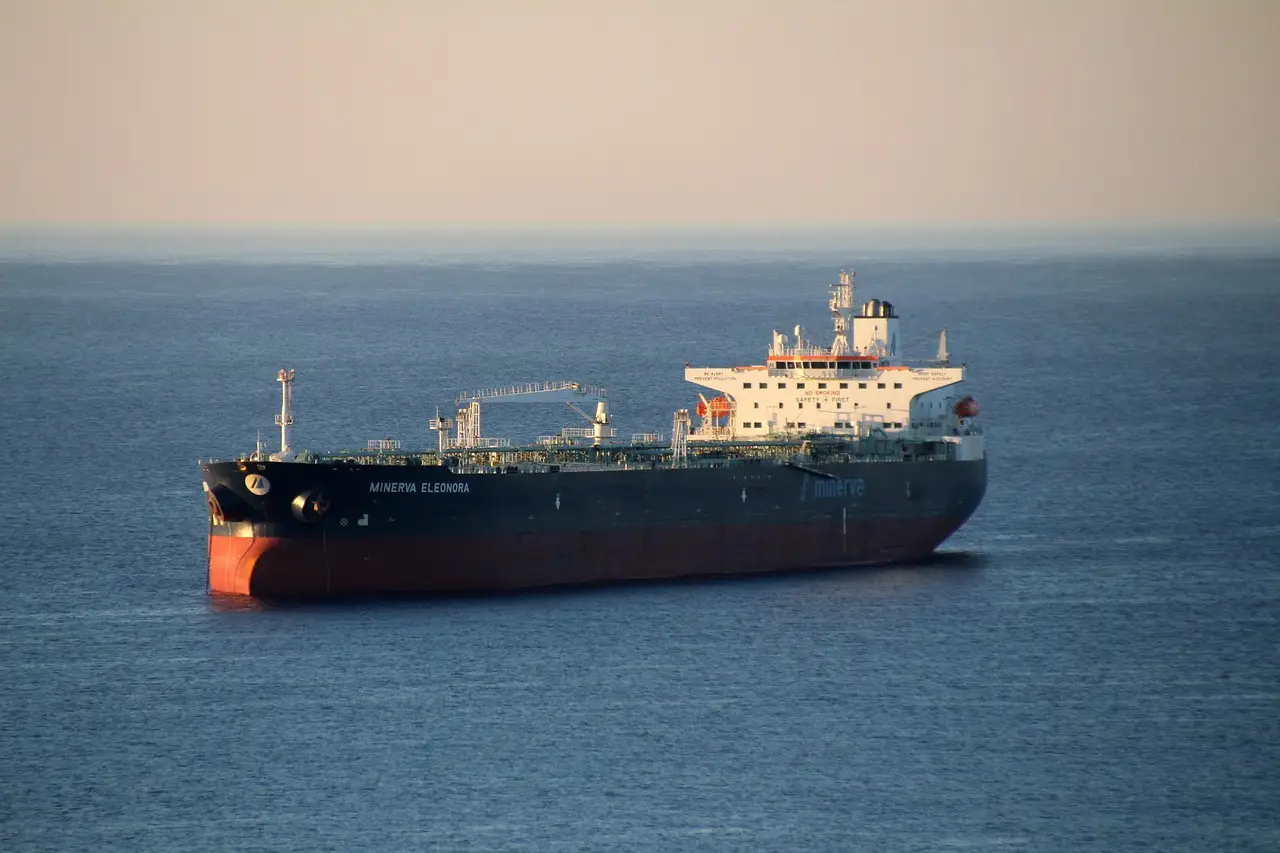
Saudi Arabia pumped 8 million bpd of crude in September, up 12.2% from August, according to Al Rajhi Capital Research data cited by TradeArabia on Monday. The recovery marks a sharp turn from the spring, when the Kingdom and its Gulf neighbours throttled output to a crawl because tankers could not move cargoes through the Strait of Hormuz.
The number matters for one reason: it shows Riyadh rebuilt roughly a ninth of its monthly production in a single month while its main western export artery lay damaged.
How did Saudi Arabia route the barrels?
The answer is geometry and improvisation. The Kingdom boosted ship-to-ship (STS) transfers conducted outside the Strait and redirected most exports through its Red Sea port of Yanbu, according to the Al Rajhi Capital data.
That effort survived a direct hit. The September 10 attacks on the East-West pipeline forced a two-week halt of the line and of loadings at Yanbu. Production still rose. The Kingdom pivoted to shuttle-shipping crude through Hormuz, transferring cargoes that had already transited the Strait onto other vessels waiting in the Gulf of Oman.
The takeaway: a pipeline outage slowed the logbooks, not the barrels.
What did prices and revenues do?
Brent settled at $103.5 per barrel at the end of September, per the report. Higher volumes plus a triple-digit price lifted Saudi oil revenues for the month.
That price context is worth a frame of reference. At $103.5, every million barrels exported fetches about $103.5 million — roughly $3.1 billion per million bpd of sustained exports over a month.
The revenue gain is Al Rajhi Capital's attribution, not a treasury statement. Treat it as analysis until Riyadh publishes fiscal detail.
Takeaway: the Kingdom sold more barrels, at better prices, in the same month its pipeline was attacked.
What do the non-oil indicators show?
The report's non-oil readings point the same way, with a lag. Consumer spending rose 6.4% in August year over year. The Purchasing Managers' Index posted its strongest reading in September since February — the last month before the Middle East conflict began and, as the report puts it, upended all oil production and economic forecasts in the region.
Takeaway: households and purchasing managers both turned less pessimistic in late summer.
Why is the economic picture still mixed?
Because the second quarter was brutal, and August trade stayed weak.
Saudi Arabia's merchandise exports fell 11.5% in August 2026 against August 2025, with oil exports down 12.5%, the General Authority for Statistics reported. A rebound in production does not instantly become a rebound in shipped and invoiced barrels.
The Q2 damage runs deeper:
- Real GDP slumped 4.7% year over year at the peak of the Hormuz crisis, when tankers were barely moving out of the Strait
- Oil activities plunged 24.8% year over year
- Government and non-oil activities each rose 0.9%
- On a seasonally adjusted basis, real GDP fell 4.8% from Q1, with oil activities down 21.6%
The arithmetic is straightforward. Oil activity subtracted almost five points of growth while everything else held roughly flat. One sector carried the whole contraction, and it is the sector now recovering fastest.
Takeaway: September's production gain repairs a wound that Q2 GDP numbers have only begun to record.
What is the watch item?
Two, in fact. The first is the East-West pipeline and Yanbu loadings, which the report says resumed after the two-week September halt; sustained throughput there would confirm the STS workaround is a bridge, not a permanent operating model. The second is the October PMI and monthly export data, which will show whether September's output rebound converts into the export values that August's 12.5% oil-export decline still lacks.
Until then, 8 million bpd is a recovery number, not yet a recovery verdict.
via zawya.com (Original)
More from Daniel Okafor
Show full bio
Market editor covering companies, deals and strategy in Oil and gas industry operations and markets at Rig & Refinery.
539 articles
Adjoining reports
- Saudi Crude Flows Shift Back to Hormuz After Pipeline Shutdown
- Saudi Arabia Restores East-West Pipeline Oil Exports After Repairs
- Saudi East-West Pipeline Throughput Hits 5.8 Million Barrels
- Saudi Arabia Eyes 10 Million bpd East-West Pipeline Capacity
- Saudi Arabia Restarts Oil Exports Via Red Sea Pipeline Bypass