Well report No. RR-9981 · T1N · R45W · SEC 1 · filed October 10, 2026
Petroleum MarketsWell report
Saudi Export Recovery Meets $100 Brent, 750,000 b/d China Gap
Brent held near $100/bbl as China's 750,000 b/d refined-product export freeze met rebounding Saudi volumes and record AG-FE freight costs, redrawing Asia's Q4 trade balance and pressuring the kingdom's realised export value.
Field notes
- Brent crude held near $100/bbl as Saudi Gulf export volumes recovered into the back half of October.
- China's Ministry of Commerce halted refined-product export licences, erasing an expected 750,000 b/d from October trade flows.
- Several Chinese state-owned firms cancelled October-loading cargoes in response to the export freeze.
- VLCC and Suezmax earnings on the AG-FE route reached levels not consistently seen since 2022, per broker estimates.
- The Chinese ban is described as a temporary winter-supply measure, with no formal end-date or product list yet published.
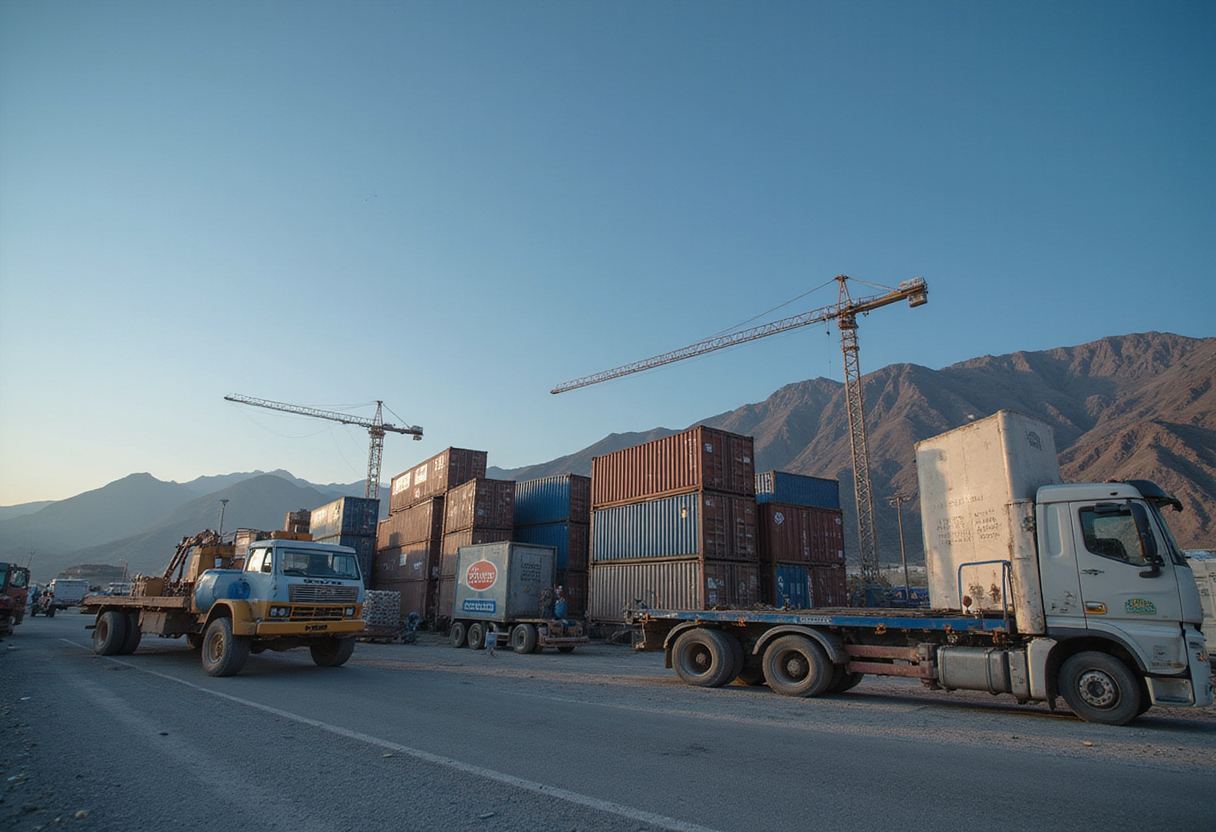
Brent held near $100/bbl this week as Saudi Arabia's recovering Gulf export volumes collided with record freight costs and mounting tanker-risk premia, redrawing the Asian product-trade map for the back half of October.
The trigger sits in Beijing. China's Ministry of Commerce stopped issuing licences for refined-product exports earlier this month, prompting several state-owned firms to cancel October-loading cargoes. Chinese product exports were initially expected to average 750,000 b/d in October, a baseline the licence freeze has now erased from the East-of-Suez balance at exactly the moment Middle East crude availability is rebounding.
What does the China export halt change?
Beijing has not published a formal product list or end-date, though trade-press accounts characterise the curbs as a temporary measure tied to domestic winter supply. The 750,000 b/d figure represents the scheduled export programme rather than realised volumes. With licence issuance halted, realised Chinese exports for the remainder of the month will track well below the original schedule, pulling gasoline and gasoil tonnage out of regional trade at the worst possible moment for buyers.
Northeast Asian buyers who had been counting on Chinese product to balance late-Q4 demand are now chasing additional barrels from Indian and Korean refiners, tightening a regional balance already stretched by refinery maintenance cycles.
How is Saudi crude caught in the middle?
Saudi Aramco's October official selling prices to Asia were set at premiums that buyers described as firm, even as the kingdom pushed incremental crude back into the market following the summer disruption cycle. With Chinese refiners taking less Saudi crude for November on the back of the domestic product curbs, the kingdom faces a tighter arithmetic: more crude to place, fewer of its largest regional customers able to absorb it.
What is freight doing to the math?
Chartering desks report three concurrent pressures on the Middle East-Far East tanker market: extended voyage distances on some routings, port congestion at key Gulf loading terminals as Saudi volumes recover, and brokers flagging rising risk premia for affected tonnage. VLCC and Suezmax earnings on the AG-FE route have moved to levels not consistently seen since 2022, by several broker estimates. The freight bill is large enough, on some routes, to absorb a meaningful share of the FOB-to-CIF spread, eroding the realised value of every incremental Saudi barrel headed east.
For Saudi Arabia, the export-recovery narrative is intact on a volume basis. The realised dollar per barrel, however, is being compressed from three directions simultaneously: softer Chinese offtake, elevated freight absorbed in delivered prices, and a product market in which the kingdom's downstream affiliates no longer enjoy the same arbitrage support from Chinese export flows.
Watch items for the desk
- A formal Chinese Ministry of Commerce notice on the duration and product scope of the export suspension.
- The early-November Saudi Aramco OSP release to Asia, the cleanest read on Saudi confidence in regional offtake.
- Front-month Brent and Asian gasoil cracks, which have diverged sharply in recent sessions.
- VLCC and Suezmax earnings on the AG-FE route, the best available gauge of physical tanker tightness and freight inflation.
via bloomberg.com (Original)
More from Olivia Hart
Adjoining reports
- Dated Brent Above $120 as Physical Market Splits From ICE Futures
- Oil Steadies Near Session Lows as Middle East Exports Return to Pre-War Levels
- Brent Slips Below $104 as Mideast Exports Recover
- WTI tops $105 as Saudi Arabia cancels crude cargoes after pipeline shutdown
- OPEC+ Holds November Output Steady as Brent Stays Above $100