Well report No. RR-9370 · T20N · R32W · SEC 8 · filed October 13, 2026
Oilfield ServicesWell report
Seismos opens Applied Acoustics Research Center in Permian Basin heartland
Seismos has opened its Applied Acoustics Research Center in Midland, putting acoustic diagnostics R&D inside the Permian Basin's operating heartland.
Field notes
- Seismos has opened its Applied Acoustics Research Center, the Midland Reporter-Telegram reported.
- The center is located in Midland, Texas, the operational hub of the Permian Basin.
- Seismos did not disclose investment size, staffing levels, or facility square footage.
- The company specializes in acoustic-based fracture diagnostics for completions optimization.
By James Calloway
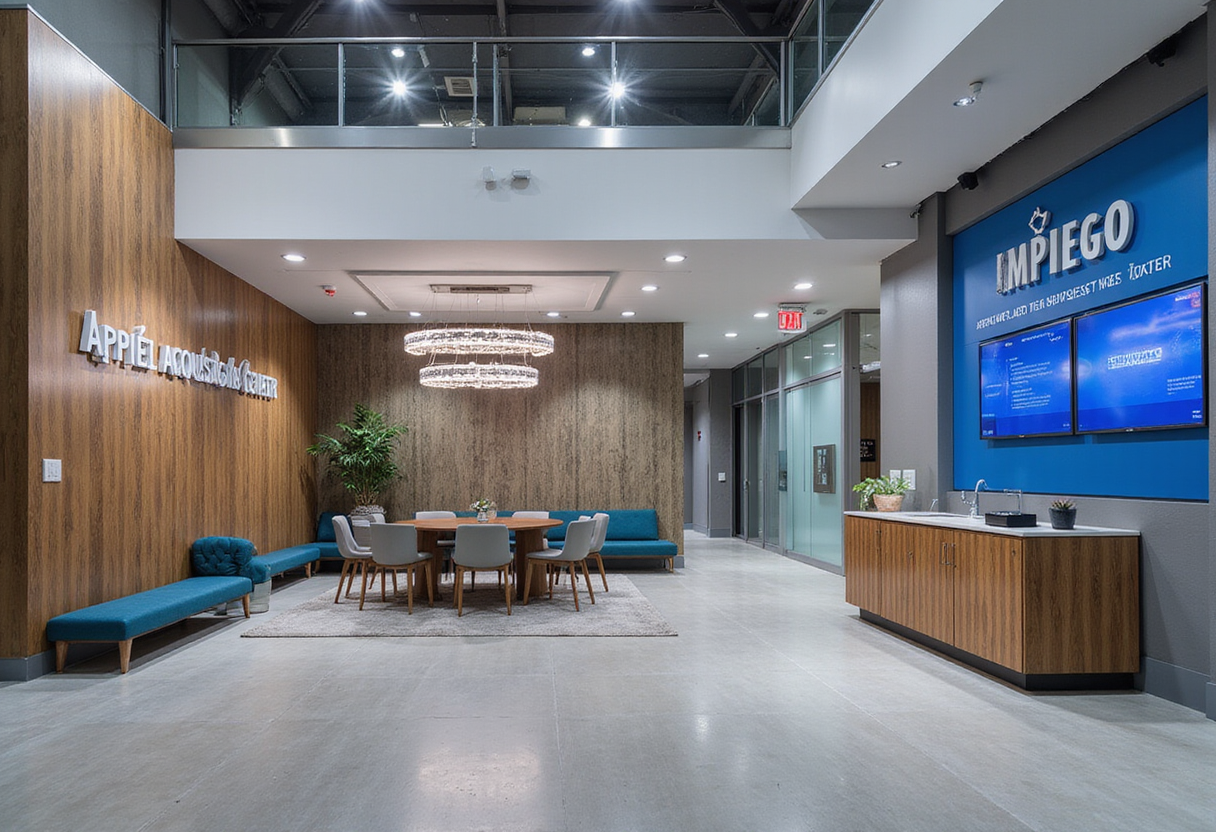
Seismos has opened its Applied Acoustics Research Center, placing a dedicated research facility in Midland — the operational center of the Permian Basin and the busiest address in North American unconventional development.
The company confirmed the opening of the center, which will focus on applied acoustics research serving oilfield diagnostics. The Midland Reporter-Telegram first reported the news. Seismos did not disclose investment figures, staffing levels, or a square-footage number for the facility in its announcement.
For practitioners, the location decision carries more weight than the ribbon-cutting itself. Midland gives the research center direct proximity to:
- Active horizontal drilling and completions programs across the Midland and Delaware basins
- Operator engineering teams evaluating fracturing performance in real time
- The densest concentration of oilfield service contractors in the continental United States
Why does an acoustics research center matter to completion engineers?
Seismos built its business on acoustic-based diagnostics — using seismic and microseismic signal analysis to characterize how hydraulic fractures propagate and how reservoir rock responds during stimulation. Applied acoustics work of this kind feeds directly into completions optimization: stage spacing, cluster efficiency, proppant placement, and fracture geometry all leave acoustic signatures that engineers can read and act on.
A dedicated research center signals that Seismos intends to deepen that technical stack rather than simply maintain its existing product line. Co-locating the research effort with live field activity shortens the loop between hypothesis and field validation. Technologies that once waited months for test-well access can now iterate against offset data from surrounding Permian acreage within days.
That acceleration matters in a basin where completion designs have shifted rapidly toward longer laterals, tighter cluster spacing, and higher proppant loadings. Diagnostic vendors that cannot keep pace with design changes lose relevance quickly.
What remains unconfirmed?
The announcement leaves several material questions open. Seismos has not stated:
- The size of the research staff the center will employ
- Whether the facility includes laboratory space, computing infrastructure, or both
- A timeline for specific research programs or product releases tied to the center
- Any partnership arrangements with operators or universities
Until the company details those elements, the center sits in the category of announced capability rather than measured output. Sanctioned facility, yes; quantified research agenda, not yet.
Who is Seismos?
Seismos operates in the fracture diagnostics and reservoir monitoring segment of the oilfield services market. Its acoustic analysis approach positions it alongside — and in some applications against — microseismic monitoring contractors and downhole measurement providers serving shale operators. The company's differentiation rests on extracting fracture and reservoir behavior from acoustic data at scale, without requiring intrusive downhole hardware on every well.
Opening a research center in Midland places that work physically inside the customer base. For a diagnostics company, visibility with operator teams is a commercial asset as much as a technical one.
What changes for the Midland service sector?
The Permian service economy has absorbed waves of consolidation and cost pressure since 2020, and Midland has worked to diversify beyond pure field services into research, training, and technology roles. A named research center from a diagnostics firm adds to that base. It also tightens local competition for specialized geoscience and data-analysis talent, which has been the binding constraint on several West Texas technology employers.
For competitors in fracture diagnostics, the message is straightforward: Seismos is investing closer to the customer, and the technical race in acoustic interpretation will run through Midland, not Houston alone.
The watch item here is the first research output from the center — a named program, a published case study, or an operator partnership — which will show whether the facility changes field practice or simply consolidates existing work under a new roof.
Watch for: staffing numbers and the first operator partnership announcement from the Applied Acoustics Research Center.
via Google News: Pipelines and midstream (Source)
More from James Calloway
Show full bio
Staff writer covering people, launches and day-to-day practice in Oil and gas industry operations and markets at Rig & Refinery.
462 articles
Adjoining reports
- New Mexico pipeline ruptures lift incident count as Permian trend climbs
- Echo Seismic Launches EchoVision to Speed Seismic Delivery for Geothermal
- ProPetro Q4 Results Sit Among Oilfield Services Peers
- TechnipFMC Takes Center Stage as Q2 Oilfield Services Reporting Season Opens
- U.S. Rig Count Tops 600 as Oil Drilling Drives Weekly Gain