Well report No. RR-4630 · T10N · R37W · SEC 22 · filed November 18, 2026
Upstream Drilling & ProductionWell report
Six Wells in 150 Feet: Pennsylvania's Unplugged Oil Legacy Sits Under the Suburbs
Six forgotten oil wells sit within 150 feet of one Pennsylvania family's home. A new interactive map exposes the state's unplugged legacy — and its leaking hazards.
Field notes
- About 250 previously unknown wells were found by one survey team; hundreds of thousands more are suspected statewide.
- A priority-list leaking well in Murrysville has waited two and a half years for plugging as federal funds were held up.
- The DEP has vented two dozen abandoned wells directly, mostly in southwestern Pennsylvania.
- A 2022 gas gush in New Freeport coincided with EQT fracking a shale well about a mile away; residents have sued.
- Diversified Energy holds thousands of abandoned wells under 15-year consent agreements with the DEP.
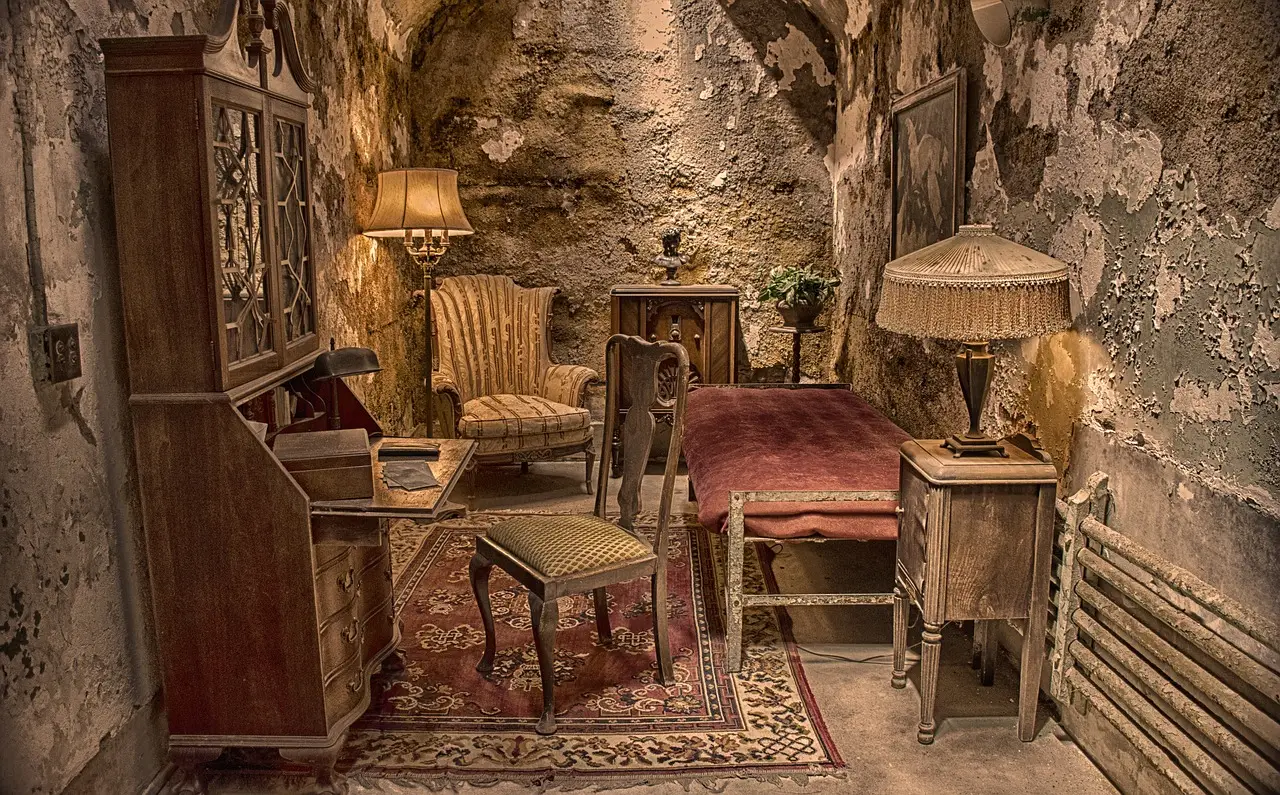
Six old oil wells sit within 150 feet of Brittany and Ryan Mahoney's first house in The Berkshires, a South Fayette neighborhood in southwestern Pennsylvania. They had no idea. Historic maps show two wells drilled less than 50 feet from where a trampoline now stands in their backyard.
Inside Climate News and the Pittsburgh Post-Gazette have built an interactive map, drawing on Pennsylvania Department of Environmental Protection data and historical documents, that lets residents search any address in the state for nearby wells. The tool sorts wells into four categories: Active/Other, Plugged, Abandoned/Orphaned, and Historical — the last of which relies on digitized farmline maps and coal mine blueprints that the DEP has largely not verified by modern inspection.
The takeaway: in a state with hundreds of thousands of suspected undiscovered wells, most homeowners simply don't know what's under them.
What was here before the cul-de-sacs?
More than a century ago, The Berkshires sat inside the McDonald Oil Field, then the most prolific oil play in the world — so productive that its output was reported in gallons per minute. Farms gave way to tree-lined streets with names like Windsor Court and Walnut Ridge. The wells stayed.
Some were plugged with tree trunks. Some are still open cavities. Many have not produced in decades. When the Mahoneys bought undeveloped land up the street in 2012 to build a home for their four children, someone told them a crew would "cap" an abandoned well behind the backyard. Brittany Mahoney remembers a truck and workers clearing a path. The DEP, which is supposed to inspect plugging work, was never notified.
"Should I be worried?" Mahoney asked when she saw the dots on a map. A neighbor two doors down insisted, "We don't have any wells here" — the map shows otherwise.
How do you spot a leaking well?
"Leaks is the big one," said Dan Brockett, who leads the energy education team at Penn State Extension. "If that well is leaking anything — if it's leaking methane, if it's leaking brine water, petroleum products" — that's a red flag for the DEP.
Brockett spent much of last year hunting old wells with his wife under an Environmental Defense Fund grant. They found about 250 wells the DEP didn't know about — a fraction of the hundreds of thousands suspected statewide. Warning signs he looks for:
- Severe erosion that could create sinkholes
- The sound of water running through a well, likely corroded casing
- Dead vegetation around the wellhead
- A slight petroleum odor near the site
His advice on rusty pipe sticking out of the ground: don't cut it, don't pull it. You don't know if it's trapping methane.
What happens when a well is found?
Fred Baldassare, a former DEP stray gas investigator who now runs Echelon Applied Geochemistry Consulting, has tracked leaking methane for three decades. Most cases surface through gas utility surveys: if Columbia Gas or Peoples detects gas that doesn't match its pipeline's chemical signature, the DEP investigates.
When plugging is impractical — as with a leaking well in the basement floor of the 1889 Carnegie Library in Braddock — the agency installs mitigation systems, trenches that vent stray gas away from homes. Baldassare has installed dozens. The DEP has placed vents directly on two dozen abandoned wells, mostly in the southwest, routing gas to the atmosphere before later plugging some.
How long is the wait for plugging?
Ask Pamela Schrank of Murrysville. In spring 2024 she grew dizzy from an abandoned well in her yard while gardening and reported it. The DEP suspects the well was plugged in the 1950s; the smell still "comes and goes in waves" within 10–15 feet of it. Rep. Summer Lee visited the Westmoreland County home and cited it in Washington testimony. The well went on the DEP's priority list.
Two and a half years later, it's still leaking. Federal money from the Infrastructure Investment and Jobs Act, held up by the Trump administration, was only recently released to the state.
"I would like it to be in my lifetime," Schrank quipped.
The state plugs a handful of wells a year on an emergency basis; otherwise, waits stretch long. Diversified Energy Co., the Alabama-based operator holding thousands of abandoned wells, signed consent agreements spreading its plugging responsibility over 15 years.
Can old wells interact with new drilling?
Yes. Shale developers must report "communication" incidents to the DEP — 60 to date, most flagged when another operator notices pressure changes during a frack. Abandoned wells aren't monitored at all. In 2022, a well in New Freeport, Greene County, erupted with gas and liquid as EQT Corp. fracked a shale well about a mile away. EQT reported the communication but now denies a link, calling the timing coincident. Residents who rely on well water have sued, and township supervisors declared a state of emergency last year seeking a municipal water line.
Plugging one well can even cause problems in others, given the density of old infrastructure and shared geological layers across the basin.
What should landowners do?
Report suspected wells to the DEP with location, photos and GPS coordinates — a smartphone handles most of it, Brockett says, if you stand still a few minutes first. "Finding a well on your property or uncovering a buried well does not make you responsible for the well," the DEP states — though producing it or hiding evidence will.
The watch item: with federal plugging funds now flowing to Pennsylvania, the queue of hundreds of thousands of suspected wells — and homeowners like Schrank — finally has money behind it.
via insideclimatenews.org (Source)
More from Elena Vasquez
Show full bio
News editor covering technology and product news in Oil and gas industry operations and markets at Rig & Refinery.
606 articles
Adjoining reports
- Pennsylvania’s well map leaves 29,000 wells without coordinates
- Pennsylvania's 300,000-Plus Orphaned Wells Still Leak Methane
- Syracuse Study Links Conventional Oil Drilling to Waterway Degradation
- Norwegian Method Meets 8,000 Legacy Wells in California Oil Town
- Marcellus/Utica Permits Rebound to 21 as EQT, Coterra Pad Up in Pennsylvania