Well report No. RR-2084 · T18N · R17W · SEC 30 · filed November 18, 2026
Upstream Drilling & ProductionWell report
Pennsylvania's 300,000-Plus Orphaned Wells Still Leak Methane
Pennsylvania has plugged 3,800 wells against an estimated 300,000-750,000 abandoned boreholes; a 2024 reading found methane leaking at 6,235 ppm-m from an 1891 well.
Field notes
- Pennsylvania has plugged about 3,800 wells since 1989; estimates put the total abandoned population at 300,000-750,000.
- A 2024 inspection measured methane leaking from the 1891 Jane McGill #1 well at 6,235 parts-per-million-meter.
- Average plug-and-restore cost in Pennsylvania exceeds $100,000 per well, versus bonds of $2,500-$4,000 per well.
- The 1891 McDonald field produced 84,000-96,000 bpd; operators drilled more than 1,200 wells.
- Federal funding since fall 2022 has allowed the state to seal 500 wells and expand detection work.
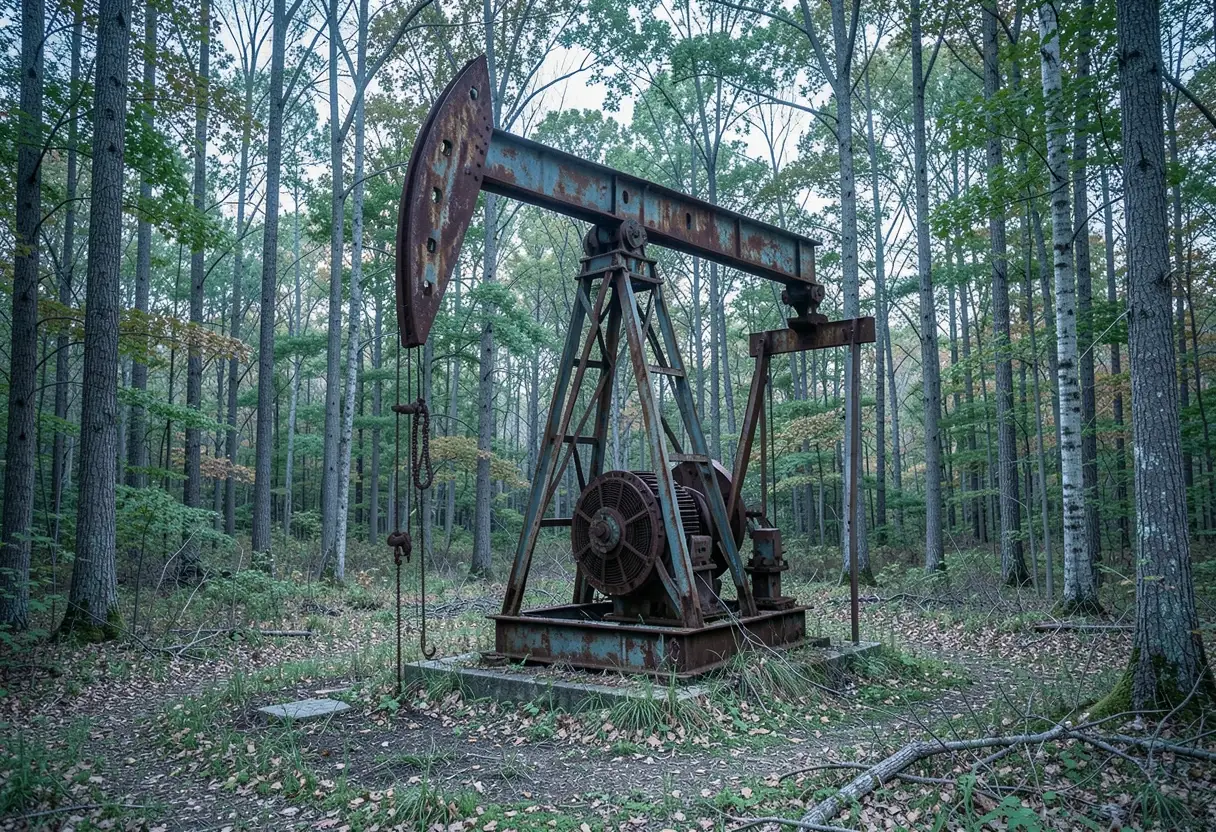
Pennsylvania has plugged roughly 3,800 wells since 1989 against an estimated population of 300,000 to 750,000 abandoned and orphaned wells scattered from Washington County in the southwest to Susquehanna County in the northeast, according to state Department of Environmental Protection figures cited in a joint investigation by Inside Climate News and the Pittsburgh Post-Gazette. In 2022 alone, the state estimated the documented orphaned wells would cost more than a billion dollars to plug.
For upstream and downstream practitioners, the story matters on three counts: fugitive methane from legacy boreholes distorts basin-level emissions accounting; undocumented wells create subsurface collision risk for modern shale drilling; and bonding requirements in Pennsylvania remain far below the real cost of decommissioning.
What does the leak data show?
The investigation centers on Jane McGill #1, an 1891-vintage well inside the Pittsburgh Botanic Garden in the old McDonald oil field. A government inspector detected methane leaking from the well in 2024 at 6,235 parts-per-million-meter.
"That indicates that quite a bit of gas is leaving the well," said Seth Shonkoff, executive director of PSE Healthy Energy and an author of a 2023 study of abandoned wells. "That reading is a strong indicator that there is a significant problem."
The study analyzed 48 abandoned wells in Western Pennsylvania and found many leaking volatile organic compounds, including benzene. A smaller number emitted carbon monoxide and hydrogen sulfide. Roughly 10 to 20 percent of documented orphaned wells show surface emissions, according to Nick Gianoutsos, a physical scientist at the U.S. Geological Survey — but he cautions that "99 percent of them have never been measured in terms of emissions."
Nearly 25 percent of Pennsylvania's abandoned wells sit within a few hundred feet of a building, Shonkoff's research found, and the state has located wells in church basements, beneath landscaping rocks and under a wishing well.
How big was the legacy boom?
The McDonald field, the largest in the world in 1891, produced between 84,000 and 96,000 barrels per day at its height. Operators drilled more than 1,200 wells — "in front yards, backyards, graveyards and onion beds," some scarcely a yard apart, according to contemporaneous accounts.
"Everyone wanted to try to get into it, so they were just plopping down wells everywhere they could," said Vinco-era local historian Vinny Curtis, co-director of a Washington County historical association. The flood of supply crashed the price of oil. Production declined in 1892, and the field was effectively finished by 1906.
Pennsylvania has more documented orphaned wells than any state but Ohio, and its undocumented population — wells drilled before recordkeeping became mandatory in the 1950s — may run to hundreds of thousands.
What is the collision risk for modern drilling?
Undocumented legacy wells are not only an emissions issue but an integrity hazard for active shale operations. In New Freeport, Pennsylvania, a new gas well that connected underground to an abandoned well was blamed for contaminating dozens of homes; methane turned up in more than 50 water wells.
"The subsurface almost looks like Swiss cheese," said Joshua Woda, a USGS hydrologist who worked on a 2025 study of orphaned-well risks to aquifers. Pennsylvania, he said, "stood out" nationally — a function of abandoned coal mines, legacy oil wells and modern fracking often occupying the same ground.
Who pays for plugging?
Operators have legally sealed more than 50,000 inactive wells, but walkaways and bankruptcies keep adding to the abandoned inventory. Pennsylvania requires bonds of $2,500 per conventional well and from $4,000 per fracked well — against an average 2026-reported plug-and-restore cost of more than $100,000 per orphaned well in Pennsylvania, about $30,000 above the six-state average for federally funded programs. The state issued more than 400 violation notices to operators for abandoning wells this year.
"The problem is overwhelmingly large," said Adam Peltz, a senior director at the Environmental Defense Fund.
Federal money has accelerated the work: since fall 2022, Pennsylvania has sealed 500 wells using the new funding and expanded search and inspection efforts using drones with magnetometers, artificial intelligence, community outreach and archival hand-drawn maps. A summer survey at the Botanic Garden and adjacent Settlers Cabin Park confirmed well locations that matched historical maps.
"We want to make sure that we pursue all assets that an operator may have," said Seth Pelepko, deputy secretary of DEP's Office of Oil and Gas Management, describing the time-consuming hunt for solvent responsible parties. "That's a time-consuming process." Jane McGill #1 itself sits in legal limbo: the county owns the land, the last recorded operator appears to have died in 2025, and the well was still leaking in summer 2026.
"This should not be the responsibility of taxpayers. This is an industry problem," said Daniel Raimi of Resources for the Future, co-author of a report on the federal plugging program, arguing for state policy reform to stop new wells becoming tomorrow's orphans.
What changes for operators?
The EPA estimated in 2022 that abandoned-well leaks account for about 4 percent of total U.S. oil and gas emissions — equivalent to the annual carbon output of 1.8 million gasoline cars. With regulators under pressure to close that measurement gap, expect more screening campaigns over legacy fields and stricter scrutiny of financial assurance.
The watch items: whether Pennsylvania raises its bond levels toward realistic decommissioning costs, and how quickly the federal program converts estimated inventories into verified, plugged wellbores.
via insideclimatenews.org (Source)
More from James Calloway
Show full bio
Staff writer covering people, launches and day-to-day practice in Oil and gas industry operations and markets at Rig & Refinery.
637 articles
Adjoining reports
- Pennsylvania’s well map leaves 29,000 wells without coordinates
- Six Wells in 150 Feet: Pennsylvania's Unplugged Oil Legacy Sits Under the Suburbs
- Syracuse Study Links Conventional Oil Drilling to Waterway Degradation
- Norwegian Method Meets 8,000 Legacy Wells in California Oil Town
- Pennsylvania Petrochemical 'Renaissance' Falls Short, DeSmog Finds