Well report No. RR-3017 · T15N · R27W · SEC 27 · filed October 19, 2026
Refining & PetrochemicalsWell report
South Korea to cut ethylene output at largest petrochemical complex
South Korea will reduce ethylene output at its largest petrochemical complex as part of a restructuring, per a Reuters dispatch. Volumes, operator identity, and timeline remain undisclosed.
Field notes
- South Korea is cutting ethylene output at its largest petrochemical complex, per a Reuters dispatch
- Reduction targets cracker capacity at a single major site
- Specific volumes, operating company, and start date have not been disclosed
- Move aligns with wider Northeast Asia cracker rationalization running over several quarters
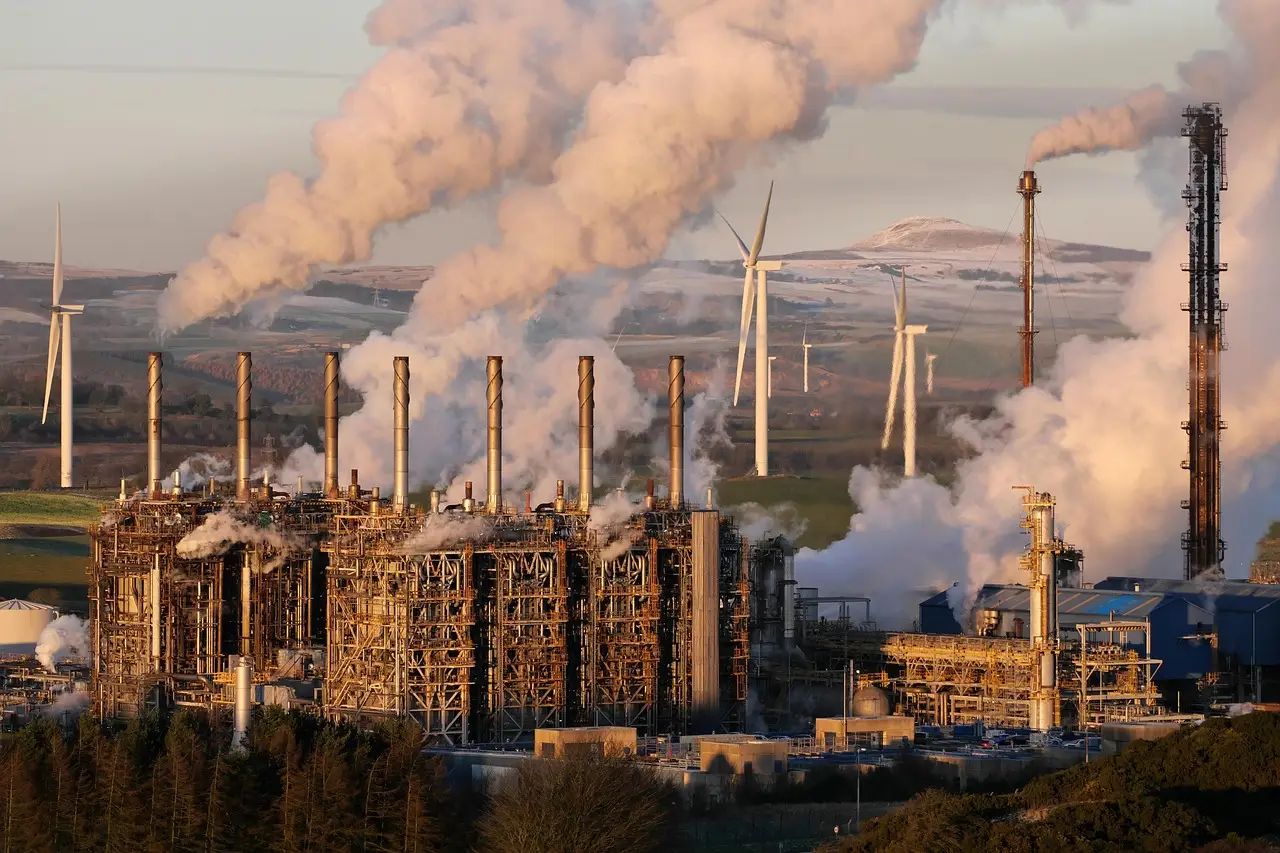
South Korea will cut ethylene output as part of a restructuring of the country's largest petrochemical complex, according to a Reuters dispatch. The reduction targets cracker capacity at a single major site; specific volumes, the operating company, and the start date have not been disclosed.
What complex is being restructured?
Reuters identified the affected site only as South Korea's largest petrochemical complex. The country's olefins and aromatics capacity sits in integrated hubs along the southern industrial coast, where naphtha crackers, aromatics plants, and downstream polymer units share utility systems, port infrastructure, and feedstock pipelines.
These complexes rank among the largest single-site olefins producers outside the Middle East and the U.S. Gulf Coast, and their cracker trains feed both domestic polymer converters and export channels into China and Southeast Asia.
Until a fuller dispatch lands, the trade knows the site is large and the output is heading down — and not much more.
Why ethylene matters to downstream operators
Ethylene sits at the front of the olefins value chain. Each tonne of cracker output feeds polyethylene, ethylene oxide, ethylene glycol, styrene monomer, and a long tail of intermediates that convert into films, bottles, automotive plastics, adhesives, and synthetic fibres. Ethylene itself rarely trades, so a cut at an integrated complex tightens several downstream chains at once.
A cracker cut also reduces co-products. Furnaces share capacity across ethylene, propylene, butadiene, benzene, toluene, and xylenes. Pyrolysis gasoline output falls with lighter operation, and naphtha feedstock draw declines.
In plain terms: less ethylene today means less polymer tomorrow, and the spillover runs through multiple plastic chains.
How does this fit regional cracker trends?
The reported reduction fits a wider pattern across Northeast Asia. Regional ethylene capacity has expanded faster than derivative demand for several quarters, weighing on cracker margins and pulling utilization rates lower across South Korea, Japan, and Taiwan. Operators have extended turnarounds, reconfigured furnaces toward lighter feed slates, and retired older trains.
A formal restructuring at the country's largest site reads as a continuation of that adjustment rather than a sudden disruption. Reuters has not yet detailed the mechanism — retirement of furnace trains, redirection toward specialty grades, partial sale of capacity, or a coordinated industry-wide restructure.
Net effect: another data point in a regional cutback story, not a stand-alone shock.
What remains unreported
The Reuters headline carries no:
- Ethylene capacity reduction in tonnes per year
- Site name or operating company
- Phase-in schedule or plant-level timeline
- Changes to naphtha supply agreements with domestic refiners
- Government involvement or coordination mechanism
What's the watch item?
South Korea's ethylene cut joins a regional rationalization pattern first reported by Reuters. Operators and traders will look for a fuller dispatch with volumes and timing, any operator disclosure under Korean listing rules, and the first reaction in olefins and polyethylene spot markets across the Northeast Asian basin.
via Google News: Refineries and petrochemicals (Source)
More from James Calloway
Show full bio
Staff writer covering people, launches and day-to-day practice in Oil and gas industry operations and markets at Rig & Refinery.
553 articles
Adjoining reports
- SCG lifts Long Son petrochemical complex budget to $6.16 billion
- Study Maps CO2 Emissions at China's Petrochemical Plants
- Asian Refineries, Petchem Plants Cut Runs as Iran War Disrupts Supply
- Hormuz Crisis Hasn't Eroded Middle East Chemicals' Cost Edge
- Nghi Son Refinery Books Q1 Profit on Full-Capacity Run