Well report · filed November 22, 2026
Refining & PetrochemicalsWell report
Texas Regulators Drop Zero-Discharge Plastics Rule From Formosa Permit
TCEQ's draft renewal would let Formosa's Point Comfort complex discharge 3,110 lb/d of plastic particles, dropping a zero-discharge standard the agency recommended in June 2025.
Field notes
- Draft permit authorizes 3,110 lb/d of plastic particle discharge from Point Comfort's main outfall.
- TCEQ executive director recommended zero plastic discharge in June 2025; the March 2026 public draft dropped it.
- Formosa has paid about $48 million in settlement penalties since 2021 into the Matagorda Bay Mitigation Trust Fund.
- The 2019 settlement totaled $50 million, the largest citizen-suit award under the Clean Water Act.
- Chairman Kuo Wen-Bee told shareholders in Taipei the company has spent hundreds of millions of dollars on the issue.
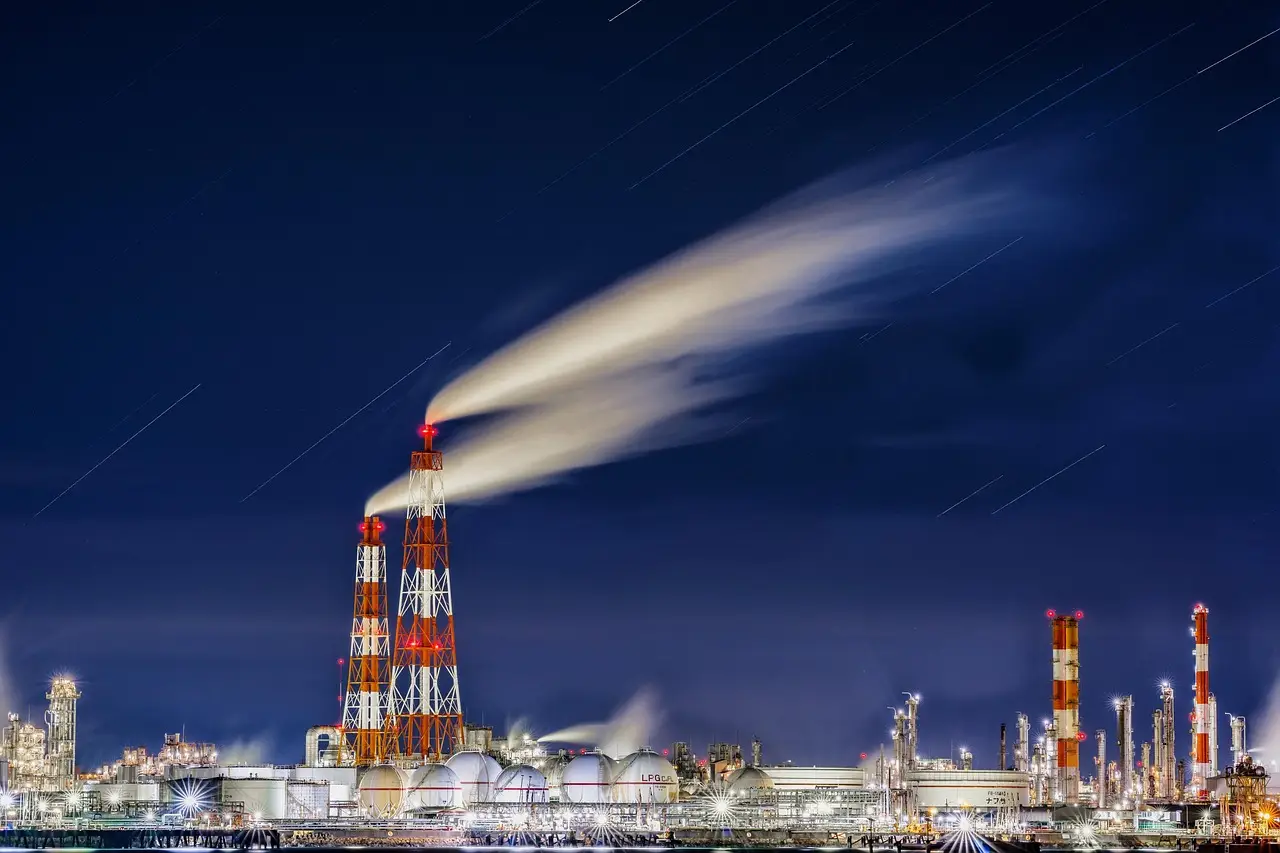
Texas regulators have proposed renewing Formosa Plastics Corp.'s wastewater permit for the Point Comfort complex without the zero-discharge standard the company itself accepted in a 2019 federal settlement, and the draft would authorize 3,110 pounds per day of plastic particle discharge from the main outfall plus "trace amounts" from eight others. The decision, issued by the Texas Commission on Environmental Quality (TCEQ), removes language the agency's own executive director recommended in June 2025 for the 140-page permit.
Formosa agreed to the zero-discharge standard under the settlement that ended the citizen lawsuit led by Diane Wilson, director of San Antonio Bay Waterkeeper, in U.S. federal court in Victoria, Texas. The $50 million accord remains the largest award in a citizen suit under the Clean Water Act, and its plastics prohibition was the first ever applied to a plastics manufacturing complex worldwide.
Since the settlement took effect in 2021, Formosa has detected plastic in every regular wastewater test and has paid roughly $48 million in additional penalties into the Matagorda Bay Mitigation Trust Fund. Under the settlement terms, the company must keep paying each time plastic is detected, regardless of what the state permit says.
Why did the TCEQ reverse its draft language?
Internal TCEQ documents from 2023 and 2025 contained the standard, according to records obtained by Luke Metzger, executive director of Environment Texas, through public information requests. A June 2025 recommendation from the TCEQ executive director stated: "There will be zero (0) discharge of Plastics from Formosa's Point Comfort Plant." The final draft, released in March 2026, omitted it.
"Why the 180?" Metzger asked agency staff at a public meeting in Port Lavaca. "Y'all reversed your decision."
Michael Sunderlin, the permit's lead writer and a 34-year veteran of industrial wastewater permitting, said the provision was "more or less put in there as a placeholder." He said: "Our management reviewed it and made a determination that we really could not be in a position to enforce that. It also could set a dangerous precedent that we would have to start putting that in other permits."
Nearly a dozen large plastics manufacturers operate Gulf Coast complexes in Texas, and Formosa is not the only one discharging plastic waste to the sea. A prohibition at Point Comfort would pressure the agency to extend the rule elsewhere. In short, enforcement capability, not water quality, drove the deletion.
What does the evidence record show?
Much of the evidentiary basis for the 2019 ruling came from Ronnie Hamrick, a former shift supervisor in the vinyl chloride plant's PVC unit who worked at Point Comfort from its opening until 2005. For three years he collected pellets and powder from bay beaches and outfalls alongside other former plant workers, logging thousands of samples the litigation team presented in court.
"He was by far the most steady and persistent," Wilson said. "And he's got pure hell for doing it."
At the Port Lavaca meeting, Hamrick pressed the panel directly: "Why are y'all sitting here saying that you're going to renew their permit? You know what they're doing! They're still doing it! We've got the proof!" The moderator moved to the next speaker.
A Public Health Watch investigation documented chronic workplace accidents and environmental violations at the complex, including mismanagement of vinyl chloride and ethylene dichloride. In recent years, the investigation found, more people were injured at Formosa than at four other large Texas petrochemical complexes combined.
What happens next?
Wilson traveled to Formosa's annual shareholders meeting in Taipei in May to question Chairman Kuo Wen-Bee on the continued discharges. "We are working hard. We have spent hundreds of millions of dollars on this," the chairman said. "I don't think there is any other place in the world with such strict restrictions."
Formosa's own renewal application requested inclusion of the settlement prohibition. The TCEQ declined, citing enforceability. Wilson told the panel she found that position disingenuous: "I am a high school graduate, five kids, no money. And we managed to do it."
The watch item is the final permit: whether the TCEQ commissioners restore the zero-discharge language before issuance, and whether the trust-fund penalty mechanism, at three payments per week since 2021, proves a sufficient deterrent on its own.
via insideclimatenews.org (Source)
More from Olivia Hart
Show full bio
Correspondent covering technology and product news in Oil and gas industry operations and markets at Rig & Refinery.
626 articles
Adjoining reports
- Formosa's Louisiana petrochemical complex hits fresh setback
- ExxonMobil's Rose Project Clears Texas, Cheek Residents Object
- Texas Approves Petrochemical Expansion; Health Experts Sound Alarm
- Conservation Groups Challenge Permit For California Coastal Oil Pipeline
- Lawsuit Targets Second Trump Permit for California Coastal Oil Pipeline