Well report No. RR-5437 · T1N · R5W · SEC 25 · filed November 12, 2026
Midstream & PipelinesWell report
TORM's $399 Million Secondhand Tanker Play Returns $265 Million
TORM's $399 million purchase of eight aging LR2 tankers has returned an estimated $265 million in operating contribution, yet modeled upside through 2027 sits near 5%.
Field notes
- TORM bought eight older LR2 tankers for $399 million.
- Estimated operating contribution from the vessels: $265 million, with resale value remaining.
- Annualized dividend yield: 15.7%.
- Modeled total upside through 2027: about 5% at historical-average freight rates; analyst rates TRMD Hold.
- Newbuilding program returns also depend on freight-market conditions.
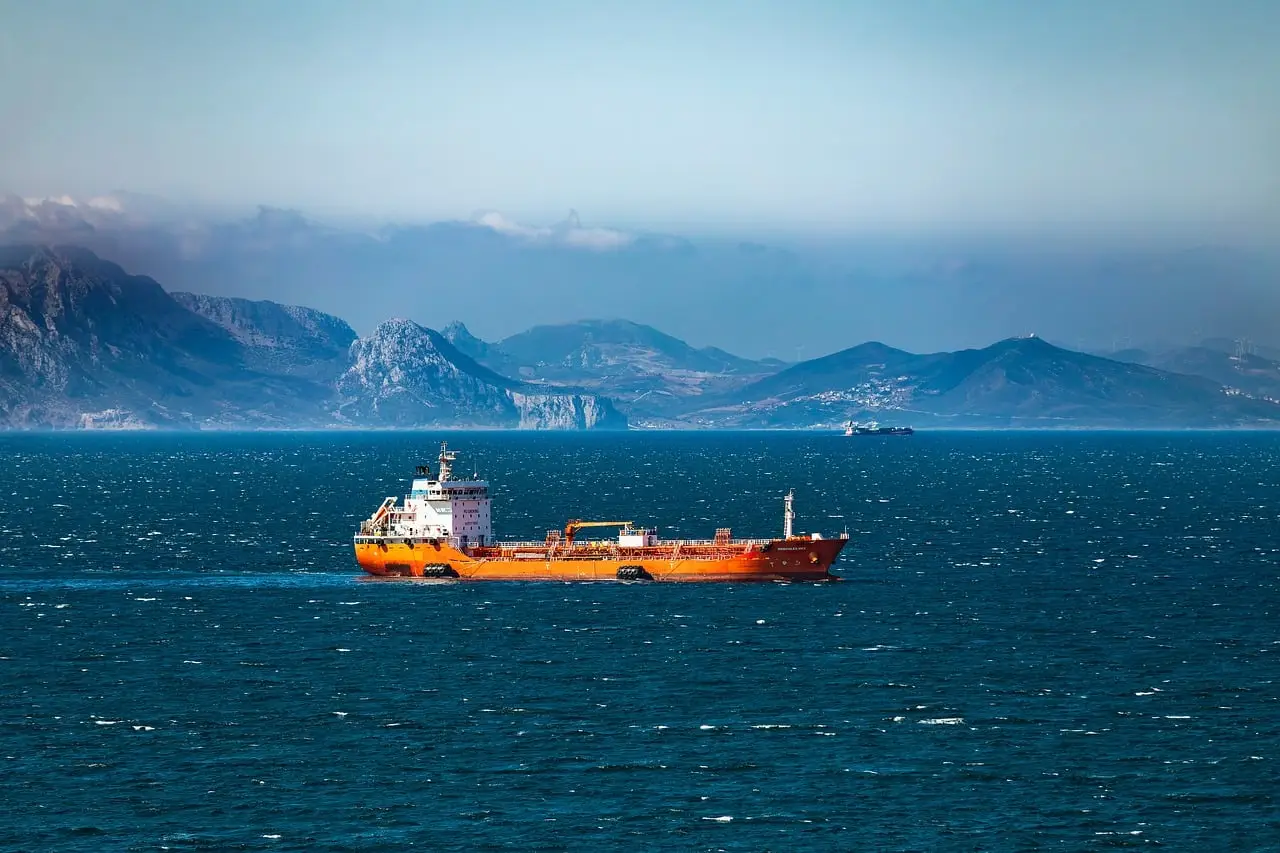
TORM's $399 million purchase of eight older LR2 product tankers (Long Range 2 vessels, roughly 110,000 dwt clean-product carriers) has generated an estimated $265 million in operating contribution since acquisition, with substantial resale value remaining on the ships. That figure anchors the case, laid out in a Seeking Alpha analysis rating TRMD shares a Hold, that the Danish owner's secondhand tonnage strategy has worked — while the stock itself no longer offers a bargain entry.
What did the eight-tanker deal deliver?
The numbers lead. TORM spent $399 million on the eight LR2s. The analyst's estimate puts operating contribution from those vessels at $265 million. Two-thirds of the outlay has therefore come back as cash contribution, and the vessels retain material resale value in the secondhand market.
The arithmetic favors keeping the ships rather than flipping them, according to the analysis. At prevailing freight rates, older tonnage earns its keep. That conclusion is conditional, not structural. The analyst states plainly that the strategy's returns depend on freight-market conditions remaining supportive.
The takeaway: the secondhand bet has already paid back most of its cost, but only current rates make the math work.
How does the newbuilding program fit?
TORM's counterpart strategy — ordering new vessels from yards — could also deliver attractive returns, the analysis finds. The two tracks are not in conflict. Older ships bought cheaply capture cash flow now; newbuildings add modern, efficient capacity later at known capital cost.
Both levers share one dependency. The analyst attributes the return outlook for the newbuilding program, like the secondhand fleet, to freight-market conditions. Clean-product tanker earnings, which drive LR2 revenue, remain the swing variable for every capital decision the company has made on this cycle.
The takeaway: newbuilds and vintage tonnage can both work, but neither offers returns independent of the freight market.
Why does a 15.7% yield not make the stock a buy?
TORM's annualized dividend yield stands at 15.7%. On its face, that distribution dominates the total-return case. The analysis models roughly 5% total upside through 2027, assuming freight rates revert to historical averages.
That is the constraint. A 15.7% yield paired with only about 5% modeled total upside through 2027 signals a market already pricing in substantial distribution continuation — and limited room for share-price appreciation on top of it. The analyst's rating follows directly from that modeled outcome: Hold, not Buy.
The figures are model outputs, not forecasts of fact. The 5% figure assumes historical-average freight rates; stronger product-tanker markets would lift it, and weaker markets would compress both the distribution and the multiple.
The takeaway: the dividend is large, but the market has already paid for most of it.
What is the watch item?
Freight rates. Every number in the story — the $265 million contribution, the newbuilding returns, the 15.7% yield, the 5% modeled upside through 2027 — sits downstream of the product-tanker market. A sustained rate environment above historical averages would validate the aging-fleet strategy and widen total-return potential; a reversion below average would pressure the cash flows that fund the distribution.
The analyst discloses no position in TRMD and no plans to initiate one within 72 hours. The analysis reflects the author's own opinions, published on Seeking Alpha, which notes that past performance does not guarantee future results.
The takeaway: watch the LR2 freight market — it decides whether TORM's fleet economics and its distribution both hold.
via seekingalpha.com (Source)
More from Olivia Hart
Show full bio
Correspondent covering technology and product news in Oil and gas industry operations and markets at Rig & Refinery.
570 articles