Well report · filed November 28, 2026
Petroleum MarketsWell report
Trump Backs Baghdad's Oil-Smuggling Crackdown Ahead of Erbil Talks
Trump publicly backs Baghdad's takeover of Kurdish crossings and oilfields as Iraq claims $100bn in smuggling losses since 2008, days before December 1 talks with Erbil.
Field notes
- Baghdad claims $100bn lost to oil smuggled through the Kurdish region, 2008-2025; calculation method unclear.
- Talks between Baghdad and Erbil are set for December 1, sponsored by the head of Iraq's Supreme Judicial Council.
- Iraq closed two Kurdish-region crossings on Thursday, one with Syria and one with Iran.
- Iraqi buyers imported about $11.9bn of Iranian goods in 2024, a fifth of Iran's non-oil exports.
- The US Treasury sanctioned Iraq's deputy oil minister in May over alleged Iranian oil blending.
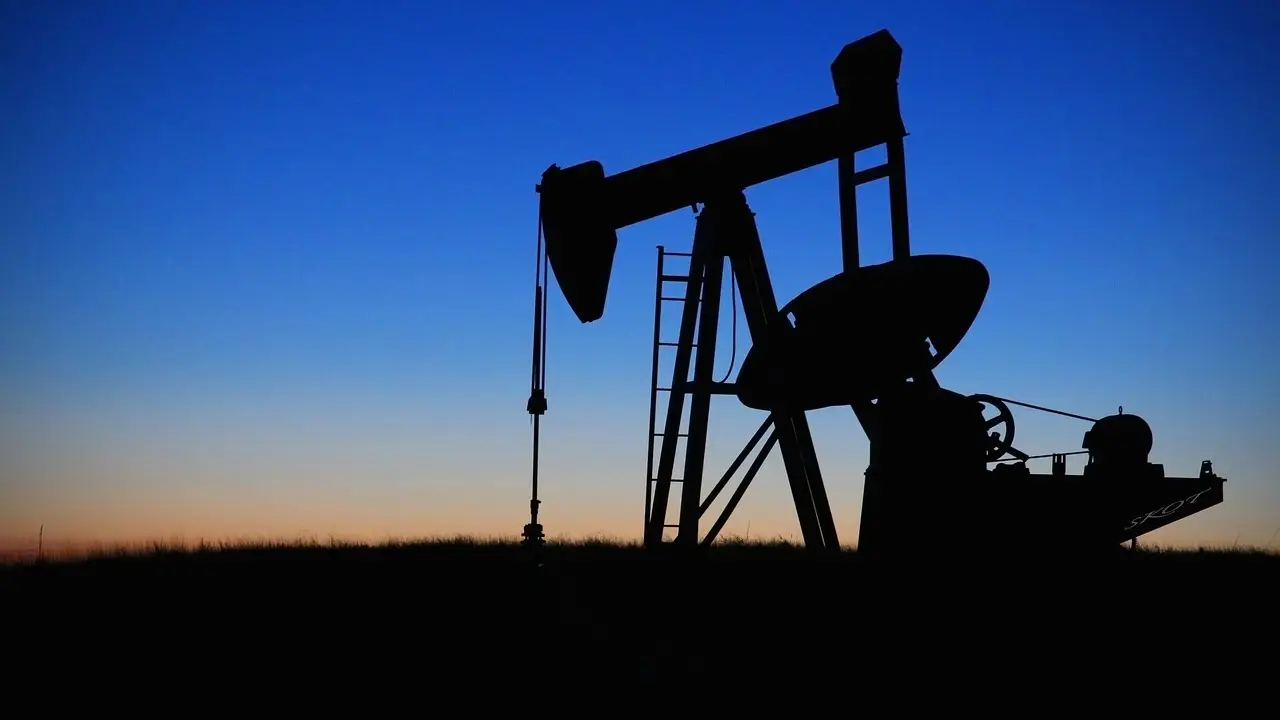
Iraq's government claims it has lost $100bn to oil smuggled through the Kurdish region between 2008 and 2025. US President Donald Trump has now endorsed Baghdad's campaign to seize the routes, border crossings and oilfields behind those losses. The endorsement landed days before Baghdad and Erbil sit down on December 1 under the sponsorship of the head of Iraq's Supreme Judicial Council. Whether that meeting survives the escalation is the open question. Government spokesperson Haider al-Aboudi gave the $100bn figure to the Iraqi News Agency. Reuters noted the calculation method was unclear. Caveat noted. Unaudited numbers drive this story.
What did Trump actually say?
In a Truth Social post on Friday, Trump wrote: "We support Iraqi Prime Minister Ali al-Zaidi's efforts to assert state authority throughout Iraq, stop the smuggling of Iraqi oil, end corruption, and bring all weapons under the exclusive control of the state." He added that Washington backs "a united, prosperous, and strong Iraq that makes its own political decisions." The post was Washington's first comment on the Baghdad-Erbil tensions. It followed a rapid sequence on the ground:
- Tuesday: al-Zaidi placed the Kurdish region's border crossings and several oilfields under federal control.
- Wednesday: Iraq's top court ruled Baghdad can deploy federal forces along all international borders, including Kurdish ones.
- Thursday: Iraq closed two crossings in the region, one with Syria and one with Iran.
Constitutional law researcher Salim Zakhour told Al Jazeera the message is aimed less at Baghdad than at the Kurds. "It tells them that all the measures taken by the federal government have strong American backing," he said. That reading is plausible. What the post does not say is anything about Kurdish autonomy, a US commitment for three decades.
What is the smuggling campaign targeting?
The crackdown began in Jurf al-Sakhar, a Babil province town south of Baghdad held since 2014 by Kataib Hezbollah, an armed group the US designates as terrorist. Senior security and oil officials told Reuters the group siphoned state crude worth hundreds of millions of dollars since 2021. Nine senior officials have been dismissed and referred to the courts. Kataib Hezbollah denies the allegations. Al-Zaidi set a November 20 deadline for the group to leave. A day before it expired, both sides struck a compromise, reportedly after intervention by Quds Force commander Esmail Qaani. Government forces entered and set up a joint operations centre; Kataib Hezbollah units withdraw gradually as federal units deploy. Promises of resident returns and reconstruction have not been met, said Al Jazeera Centre researcher Liqaa Makki: "None of that has happened." Other armed groups — Harakat al-Nujaba, Kataib Sayyid al-Shuhada — also refuse to disarm; the deadline has slipped to June 2027.
How does Iran fit the economics?
Iraq is Iran's main land outlet under blockade, according to Middle East Council on Global Affairs fellow Muhanad Seloom. The numbers are large. Iraqi buyers imported about $11.9bn of Iranian goods in 2024, a fifth of Iran's non-oil exports; gas for Iraqi power plants adds $4-5bn a year. EIA data shows Iranian gas feeds plants producing 30-40 percent of Iraq's electricity. Reuters reported a fuel oil smuggling network generating at least $1bn a year for Iran. US Treasury designations since July 2025 describe relabelled Iranian oil blended and sold as Iraqi; in May, sanctions reached Iraq's deputy oil minister. A separate claim — Kirkuk and Sulaimaniyah crude trucked into Iran — rests on one intelligence document AFP viewed but could not confirm. Erbil rejects it. Washington holds extra leverage: Iraqi oil revenues sit at the Federal Reserve Bank of New York, and the US halted a $500m cash payment in April to press action against Iran-backed groups. As Seloom put it, Iraq is "the land gap" in Trump's blockade, and closing it "costs him no troops."
What changes for the Kurds?
Kurdish Prime Minister Masrour Barzani has rejected the measures as unconstitutional. Thousands of Kurds protested Thursday, though officials left the door open to talks. Zakhour flagged the budget stakes: centralised oil control would leave the region dependent entirely on Baghdad transfers. Analysts expect al-Zaidi to exploit divisions between Sulaimaniyah and Erbil. Al-Daami predicts talks end with the Kurds accepting the court ruling. Al-Zaidi is also playing a domestic audience, per Makki — showing armed groups "I am tough with everyone." Watch the December 1 meeting, the phased militia withdrawal, and any Treasury action on the relabelling trail.
via aljazeera.com (Source)
More from Priya Raman
Show full bio
Senior reporter covering technology and product news in Oil and gas industry operations and markets at Rig & Refinery.
684 articles
Adjoining reports
- Baghdad Seizes Kurdish Region's Oil and Border Controls
- Baghdad Moves on Kurdish Oil, Crossings as Court Backs Federal Control
- Iraq Targets Year-End Close on Syria Pipeline Negotiations
- Iraq closes two crossings as Trump backs oil-smuggling crackdown
- Iraq Moves on Jurf al-Sakhar After Pipeline Oil Theft Exposed