Well report No. RR-9980 · T24N · R25W · SEC 24 · filed October 30, 2026
Gas & LNGWell report
U.S. Gas Output Set for Another Record as LNG Demand Rises
U.S. dry gas output is forecast to hit 112.2 Bcf/d in 2026 and 116.13 Bcf/d in 2027, while an EQT-Range merger carries pro-forma value above $50 billion.
Field notes
- U.S. dry gas production is forecast at 112.2 Bcf/d in 2026, up from 107.64 Bcf/d in 2025.
- EIA projects 116.13 Bcf/d for 2027 and a $3.16/MMBtu average Henry Hub price, down 9% from 2026.
- LNG exports averaged 17.4 Bcf/d in the first half of 2026, up 23% year over year.
- EQT agreed to buy Range in an all-stock deal with pro-forma enterprise value above $50 billion.
- EQT lifted 2026 production guidance by about 90 Bcfe and cut capital-spending guidance by $25 million.
By Daniel Okafor
U.S. dry natural gas production is set to reach 112.2 billion cubic feet per day (Bcf/d) in 2026, up 4.56 Bcf/d from 107.64 Bcf/d in 2025, according to the U.S. Energy Information Administration. The increase would extend the record set in 2025. EIA expects production to reach 116.13 Bcf/d in 2027, another record.
How much is production rising?
EIA attributes the growth to more associated gas from oil wells in the Permian Basin and stronger output from operators in the Haynesville Basin. Haynesville sits close to LNG export terminals and major domestic industrial gas users, giving producers a shorter route to buyers. The agency says rising supply will more than offset higher LNG exports.
Its latest Short-Term Energy Outlook projects an average Henry Hub spot price of $3.16 per million British thermal units (MMBtu) in 2027, down 9% from 2026. That is the EIA’s price view, not a fixed outcome. The production forecast matters more for drilling and compression decisions than the price forecast.
Takeaway: More gas should arrive in 2027, while the EIA expects a softer hub price.
What is pulling demand?
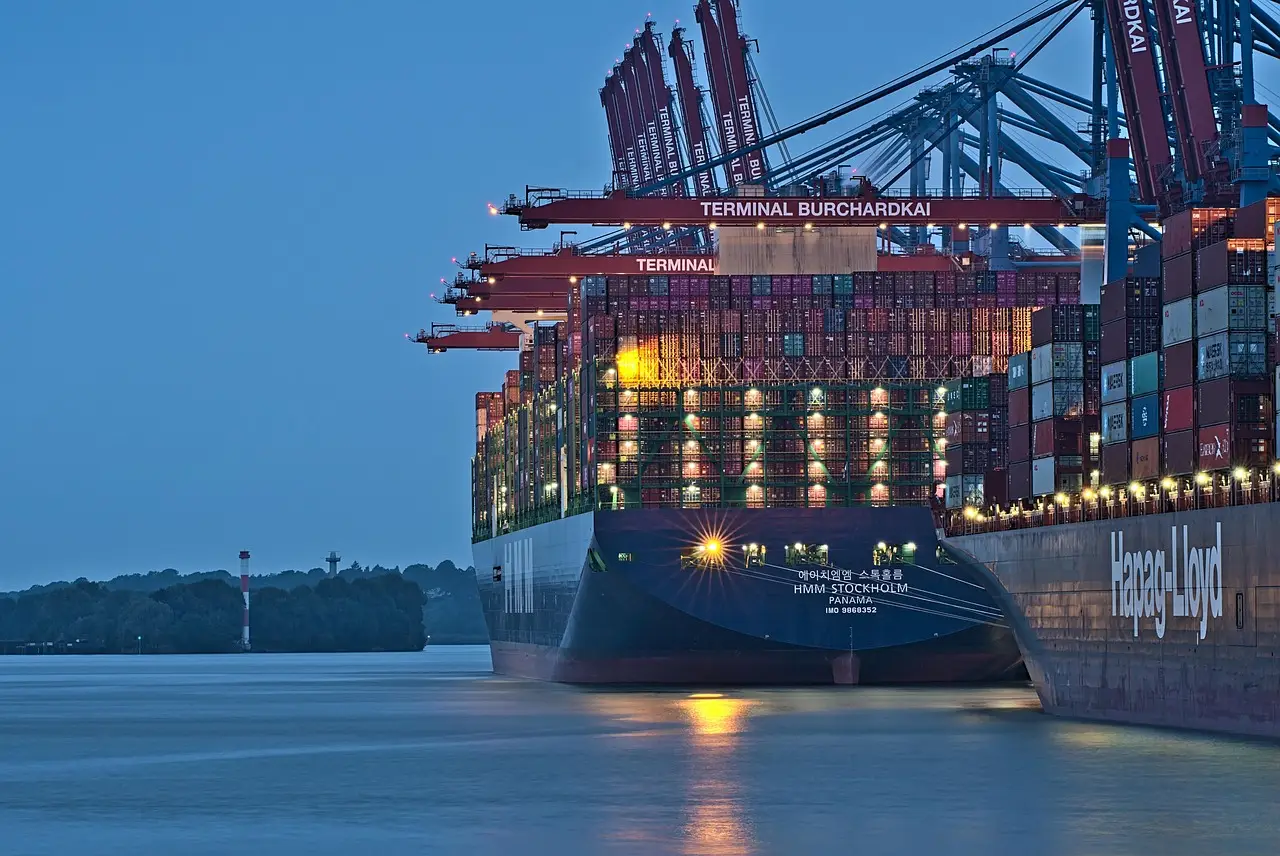
U.S. LNG exports averaged 17.4 Bcf/d in the first six months of 2026, 23% above the same period in 2025. Export-capacity growth drove shipments to the fastest pace since exports began a decade ago. At home, data centers have turned to additional gas-fired generation to support the expanding artificial-intelligence market.
Overseas, global demand for spot LNG cargoes has risen in the absence of Qatar’s gas because of the Iran war, according to the EIA account. Domestic and overseas pull has encouraged U.S. producers to raise output and enter strategic transactions. The customer has rediscovered the gas market. Scale now has a market value.
Takeaway: LNG exports and data-center power demand now account for most of the market’s momentum.
What does the EQT-Range deal change?
EQT Corporation and Range Resources announced a definitive all-stock merger agreement this week. EQT will buy Range, and the combined company would carry pro-forma enterprise value above $50 billion. The companies describe it as the creation of America’s leading natural gas company. Completion is planned for early next year.
Lydia Walker, senior research analyst on Wood Mackenzie’s Lower 48 upstream team, said: “North American gas markets have shifted from producer-push to demand-pull, and this deal puts EQT firmly at the heart of that transition.”
Walker added: “Range cements EQT's position as the supplier of choice for Appalachian power generation and data centre growth, adding the scale, inventory and liquids diversification needed to serve that demand for decades to come.”
Takeaway: The transaction joins Appalachian inventory with power and LNG demand, but its operating test comes after closing.
How are output plans changing?
EQT raised its 2026 production guidance by about 90 Bcfe. It attributed the increase to better-than-expected compression benefits across existing and new wells, plus shallower decline rates. The company cut full-year capital-spending guidance by $25 million and raised total sales-volume guidance to 2,375-2,450 Bcfe, citing “strong performance to date.”
Range Resources reported third-quarter gas production 11% above the year-earlier level. Year-to-date output ran 5% above January-September 2025.
CEO Dennis Degner said: “We have considerable momentum across our business and will be exiting 2026 in the strongest position in Range’s history.” He added: “With EQT, we will have improved market access, best-in-class inventory, enhanced cash flow generation, and fortified resiliency to drive profitable growth and shareholder value creation through commodity cycles.”
Takeaway: Both companies report operating momentum, though the merger will test how much survives integration.
How is Expand Energy positioning itself?
Expand Energy, the largest U.S. natural gas producer before the EQT-Range deal closes early next year, used its third-quarter earnings release to describe a “historic wave of structural domestic demand growth.” The company said: “A new era of demand-pull replaces historical supply-push dynamics across the U.S.”
Takeaway: Expand sees durable U.S. demand, while the pending merger changes the competitive order.
What should the market watch?
- Actual 2026 dry-gas output against EIA’s 112.2 Bcf/d forecast.
- Whether LNG exports sustain their 17.4 Bcf/d first-half pace.
- Completion of the EQT-Range transaction early next year.
- Producer margins against EIA’s $3.16/MMBtu 2027 Henry Hub forecast.
The first two test the demand case. The third tests the scale case. If 116.13 Bcf/d arrives alongside the forecast 9% price decline, the margin becomes the sharper question. Producers have volume. Buyers have optionality. Neither guarantees a better year.
Takeaway: Watch output, exports, closing, and margins before treating the 2027 surplus as painless.
via ir.eqt.com (Original)
More from Daniel Okafor
Show full bio
Market editor covering companies, deals and strategy in Oil and gas industry operations and markets at Rig & Refinery.
539 articles
Adjoining reports
- EIA Sees U.S. Gas Output Hitting Record 122.5 Bcf/d in 2026
- US Crude Output to Hit Record 13.8 Million B/D in 2026, EIA Says
- US LNG Runs at 116% of Nameplate as Europe Storage Hits 42%
- North Carolina Court Blocks Duke Plant as EIA Sees U.S. Gas Records
- North America's LNG Export Capacity Could More Than Double by 2029