Well report · filed November 19, 2026
Petroleum MarketsWell report
U.S. Navy Blockade Now Covers Offshore Cargo Transfers
U.S. Central Command's new advisory extends the Iran blockade to ship-to-ship transfers on open water. Vessels receiving Iranian-linked cargo can be boarded and seized, even outside Iranian territory.
Field notes
- U.S. Central Command advisory issued Wednesday extends the naval blockade to offshore ship-to-ship cargo transfers.
- Blockade imposed April 13, suspended in June, reinstated July 14 after negotiations broke down.
- Iranian crude exports have been near a standstill for months; some LPG and jet fuel shipments continue.
- Suspect vessels can be stopped, boarded, diverted or seized; cargo can be ordered back to its Iranian origin port.
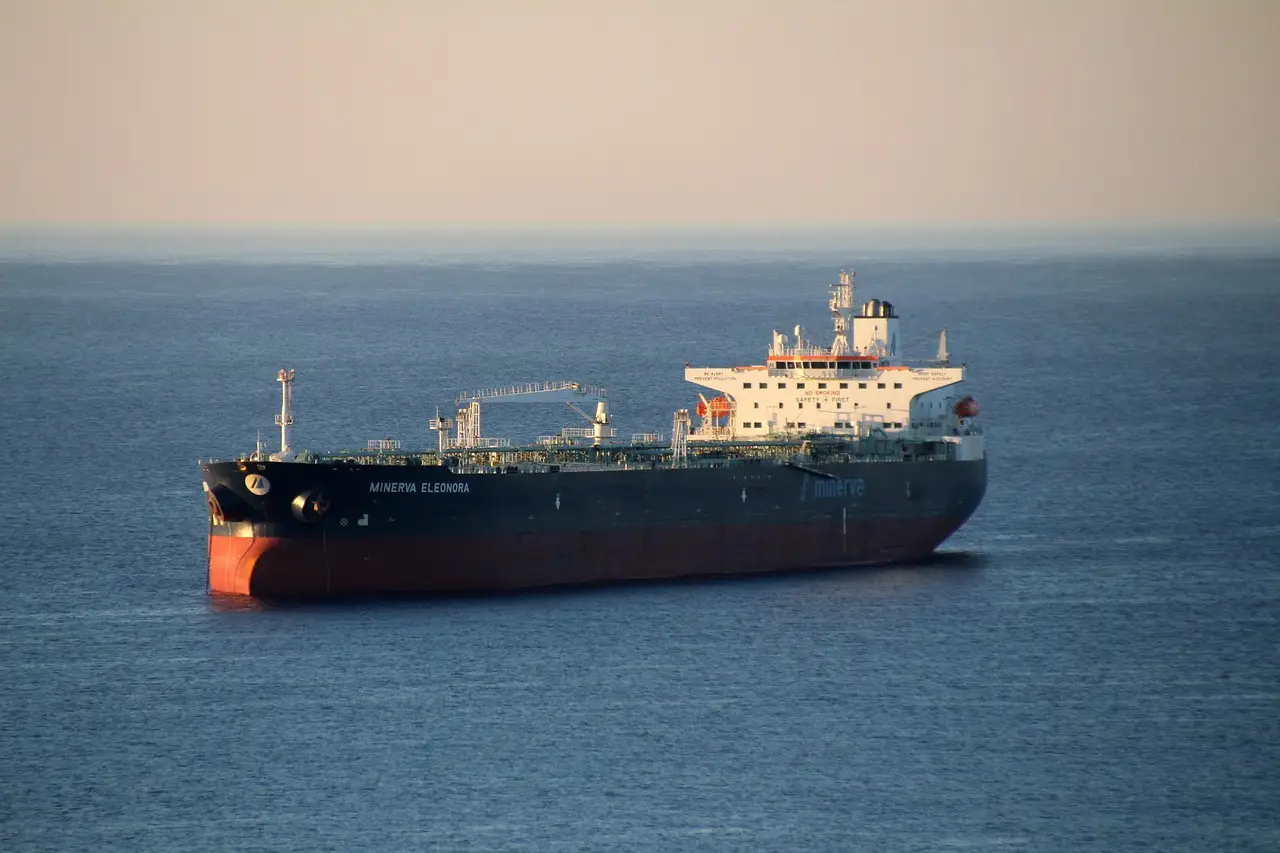
The United States has widened its naval blockade of Iran to cover ship-to-ship cargo transfers on the open sea. A maritime advisory issued Wednesday by U.S. Central Command warns that vessels receiving oil or other cargo from Iranian-linked ships can be intercepted even if they never enter Iranian territorial waters. The takeaway is simple: distance from Iran no longer equals safety from enforcement.
What does the new advisory actually authorize?
Under the guidance, vessels receiving cargo from ships that loaded goods at Iranian ports or coastlines may be considered to be circumventing the blockade. U.S. military forces may stop, board, divert or seize suspect vessels. Authorities may also direct ships to return transferred cargo to its Iranian port of origin. Non-compliance with lawful instructions could bring additional enforcement measures, including the use of force consistent with applicable law.
Offshore transfers are a legitimate part of international petroleum transportation. Their use with restricted cargo is precisely what the advisory now targets.
How did we get here?
The blockade has had a busy calendar. It was imposed April 13, suspended in June after a preliminary understanding between Washington and Tehran, and reinstated July 14 when negotiations broke down. That is two policy reversals in three months — a pace charterers and insurers rarely enjoy.
Iranian crude exports have remained near a standstill for several months, according to shipping and security sources cited by Reuters. Some liquefied petroleum gas and jet fuel shipments have continued regardless. Enforcement, in other words, has been thorough but not airtight.
Who carries the compliance burden?
For tanker operators, commodity traders and maritime insurers, the expanded guidance raises the stakes on due diligence:
- verifying cargo origins before agreeing to offshore transfers;
- screening vessel histories for calls at Iranian ports or coastlines;
- assessing counterparties for links to restricted trade.
Companies involved in otherwise routine offshore transfers now face greater scrutiny if shipments trace back to Iran. The burden of proof, in practice, has shifted to the shipowner.
Does it move barrels or just headlines?
The announcement comes as regional producers work to restore exports after months of disruptions involving the Strait of Hormuz. Recovering production and shipments have improved global crude availability, but continued security incidents and restrictions on Iranian trade complicate the outlook for Middle Eastern energy flows.
For producers outside Iran, prolonged restrictions could influence regional crude availability and pricing differentials. Refiners that previously bought Iranian grades may need alternative suppliers. Shipping companies face additional operating costs tied to compliance, routing and insurance.
Investors should distinguish between announcing enforcement and enforcing it, analysts note. With Iranian crude exports already severely restricted, the immediate effect on available barrels may be limited unless enforcement disrupts other regional shipping activity. A blockade tightened around a trade already near zero mostly tightens paperwork.
The episode also underscores a broader point about petroleum markets: transportation access and regulatory restrictions can matter as much as production capacity in determining which supplies reach international buyers.
The watch item
The variable to track is the Strait of Hormuz. If enforcement begins to slow non-Iranian traffic through the chokepoint — roughly a fifth of seaborne crude normally passes nearby — the calculus changes from paperwork to supply. Until then, watch boarding incidents and insurance rates, not the advisory itself.
Disclaimer: This article is informational and does not constitute investment, legal or financial advice.
via oilandgas360.com (Source)
More from Daniel Okafor
Show full bio
Market editor covering companies, deals and strategy in Oil and gas industry operations and markets at Rig & Refinery.
624 articles
Adjoining reports
- US extends blockade to ships receiving Iranian cargo
- U.S. Blockade Targets Iran Ship-to-Ship Oil Transfers
- Sanctioned Tanker SOGL Lands 500,000 bbl of Iranian LPG in China
- Iran's oil blockade bite: 85% inflation forecast, GDP down 10.1%
- Iran Threatens Regional Energy Infrastructure as Hormuz Standoff Persists