Well report · filed November 22, 2026
Petroleum MarketsWell report
US extends blockade to ships receiving Iranian cargo
CENTCOM widened the Iran blockade to ship-to-ship transfers, raising the chance of seizures or force as a tanker reportedly loads crude in the Gulf and Tehran weighs retaliation.
Field notes
- Before the February war, Iran exported roughly 1.5-2 million bpd of crude, with China taking most shipments.
- CENTCOM's Wednesday advisory says receiving ships may be stopped, boarded, diverted, captured or sent to the origin port.
- Washington imposed the blockade April 13, lifted it in June and reinstated it July 14.
- Reuters reported in October that at least eight Iranian LPG tankers left the Gulf of Oman since July.
- Before the war, about 20% of world oil and one-fifth of global LNG trade passed through Hormuz; 5% of global energy used Bab el-Mandeb.
By James Calloway
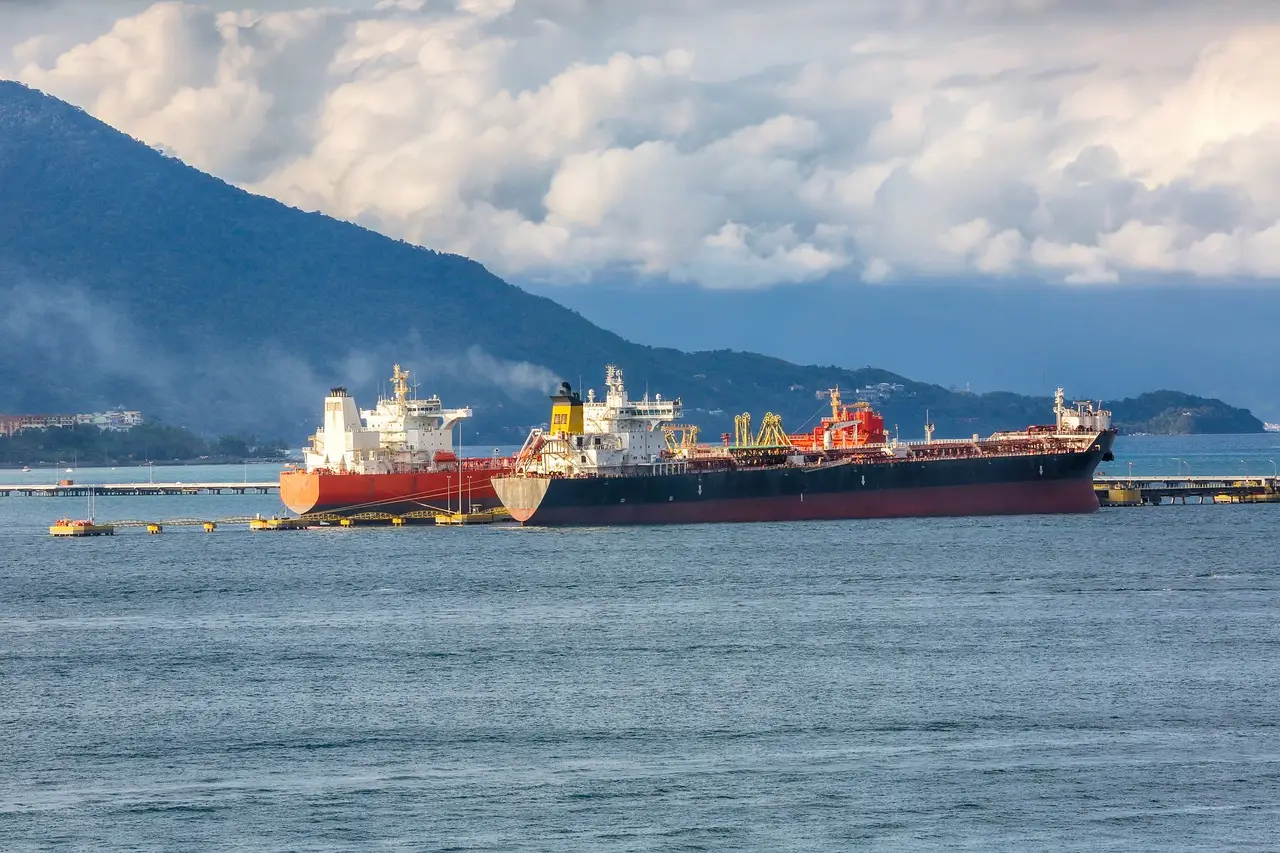
Iran was exporting roughly 1.5 million to 2 million barrels of crude a day before the US-Israeli war began in February, with China taking the vast majority, and Washington has now widened its naval blockade to reach cargo moved between ships.
US Central Command said on Wednesday that a vessel receiving cargo from a ship loaded at an Iranian port or along Iran’s coastline could be considered to be evading the blockade. Such ships “may be stopped, boarded, diverted, captured, or directed to proceed to the Iranian port where the cargo originated,” CENTCOM said, even if the vessel never entered an Iranian port or the Iranian coastline.
The advisory targets a loophole that has allowed some Iranian petroleum products to reach international markets despite restrictions on Iranian ports and oil exports since mid-July. It also brings ship-to-ship transfers and Gulf trading networks inside the enforcement net.
What has changed in the blockade?
Washington first imposed the blockade on April 13, lifted it in June after an understanding with Tehran, and reinstated it on July 14 after the agreement collapsed. Wednesday’s advisory extends the focus from vessels loading at Iranian ports to those receiving cargo offshore. CENTCOM warned that ships failing to comply could face enforcement action, including force.
Washington’s aim, according to Rob Geist Pinfold, a lecturer in international security at King’s College London, is to respond to recent Iranian attacks on Gulf states, particularly Bahrain, without launching another major offensive. Pinfold told Al Jazeera that the Americans had chosen the blockade rather than renewed military force or a campaign to press Iran toward negotiations.
He said the blockade already burdens Iran’s economy, with speculation that oil exports could soon fall to zero. Oil accounts for around 30 percent of Iran’s economy, he said. Andreas Krieg, an associate professor in security studies at King’s College London, called the advisory potentially one of the most dangerous escalation scenarios seen in recent weeks.
In plain terms, Washington can now target the ships and traders that receive cargo from Iran.
What can Iran put to sea?
Iranian authorities had not directly responded to CENTCOM’s announcement by the time of publication. A Wednesday article from Iran’s semi-official Fars News Agency proposed sending a group of oil tankers through the blockade and suggested that any attack or obstruction could trigger retaliation against regional energy infrastructure, especially UAE oil.
Earlier in the month, IRGC spokesman Brigadier General Hossein Mohebi rejected Washington’s ability to impose a comprehensive economic blockade. He warned that any US attack on Iranian vessels would bring harder Iranian retaliation. Krieg said Fars commentary should not be mistaken for an authorized operational plan.
Reuters reported in October that at least eight tankers carrying Iranian liquefied petroleum gas had left the Gulf of Oman since July, citing shipping intelligence and security sources. Another vessel delivered Iranian jet fuel to Myanmar in September, Reuters said.
On Thursday, Reuters, citing maritime monitoring service TankerTrackers.com, reported that a vessel was loading Iranian crude through a ship-to-ship transfer in the Gulf. If the shipment reaches its destination, it could become the first successful crude export since Washington reinstated the blockade in July. Iranian authorities had not confirmed the development.
Krieg said: “Iran can circumvent parts of the blockade, but it cannot break it militarily in any sustainable way. The Americans possess overwhelming naval superiority.” Enforcing the rules against every shipment, intermediary and ship-to-ship transfer would be more difficult than stopping tankers leaving Iranian ports, he added.
Gulf-based commercial networks have facilitated Iranian oil exports, although the extent of official government involvement in those networks remains unclear. The new rule could also strain Washington’s relationships with Gulf partners whose commercial interests do not necessarily match US sanctions policy.
In short, a tanker breakout would test enforcement more than restore exports, in Krieg’s assessment.
What could a tanker confrontation change?
Krieg assessed that Iran’s objective might be to make blockade enforcement politically and economically unsustainable rather than defeat US forces physically. Sending tankers to challenge American forces could create a confrontation without delivering much oil.
An American attack that destroyed an Iranian vessel or caused substantial casualties could trigger Iranian retaliation against Gulf energy infrastructure. Iran could seek to show that its neighbors cannot keep exporting oil while Tehran remains shut out of international markets, bringing the Strait of Hormuz and Bab el-Mandeb into the same confrontation.
Before the war, about 20 percent of world oil supply and roughly one-fifth of global liquefied natural gas trade passed through Hormuz. Another 5 percent of global energy transited Bab el-Mandeb, which connects the Red Sea with the Arabian Sea.
Iran has in practice closed Hormuz, severely reducing shipping traffic through the key waterway. Tehran has also repeatedly warned that its allies in Yemen, the Houthis, could lock down Bab el-Mandeb. That strategy could backfire by alienating Gulf governments now pressing Washington to avoid another major offensive, Krieg said.
He described the central contradiction: Washington sees the blockade working, while Tehran approaches a point where the status quo has become economically intolerable. The more effective the blockade becomes, the stronger Tehran’s incentive may be to escalate.
Krieg nevertheless believed both sides prefer a negotiated settlement. Without meaningful economic concessions, Tehran could increasingly use military action, and an operation intended to test US resolve could trigger another full-scale regional war.
In short, Krieg’s warning is that a boarding or strike could turn an oil dispute into a regional conflict.
What should oil-market watchers track?
Watch whether the tanker loading crude in the Gulf reaches its destination, whether CENTCOM stops or boards a receiving vessel, and whether Iran converts the Fars proposal into an authorized tanker movement. Each event would test a different part of the blockade.
A confirmed delivery or interception would show whether the blockade has become a maritime confrontation or a workable pressure campaign.
via aljazeera.com (Source)
More from James Calloway
Show full bio
Staff writer covering people, launches and day-to-day practice in Oil and gas industry operations and markets at Rig & Refinery.
648 articles