Well report No. RR-7919 · T15N · R35W · SEC 27 · filed October 10, 2026
Refining & PetrochemicalsWell report
Ukraine Strikes Russia's Largest Refinery 2,500 km From Border
Ukraine struck Russia's largest oil refinery at a range of 2,500 km from the border, LIGA.net reports, with a fire point confirmed at the site. Damage extent and capacity impact remain unknown.
Field notes
- Ukraine attacked Russia's largest oil refinery, LIGA.net reports.
- The strike reached 2,500 km from the Ukrainian border.
- A fire point was reported at the refinery following the attack.
- No damage assessment or capacity impact had been published at the time of reporting.
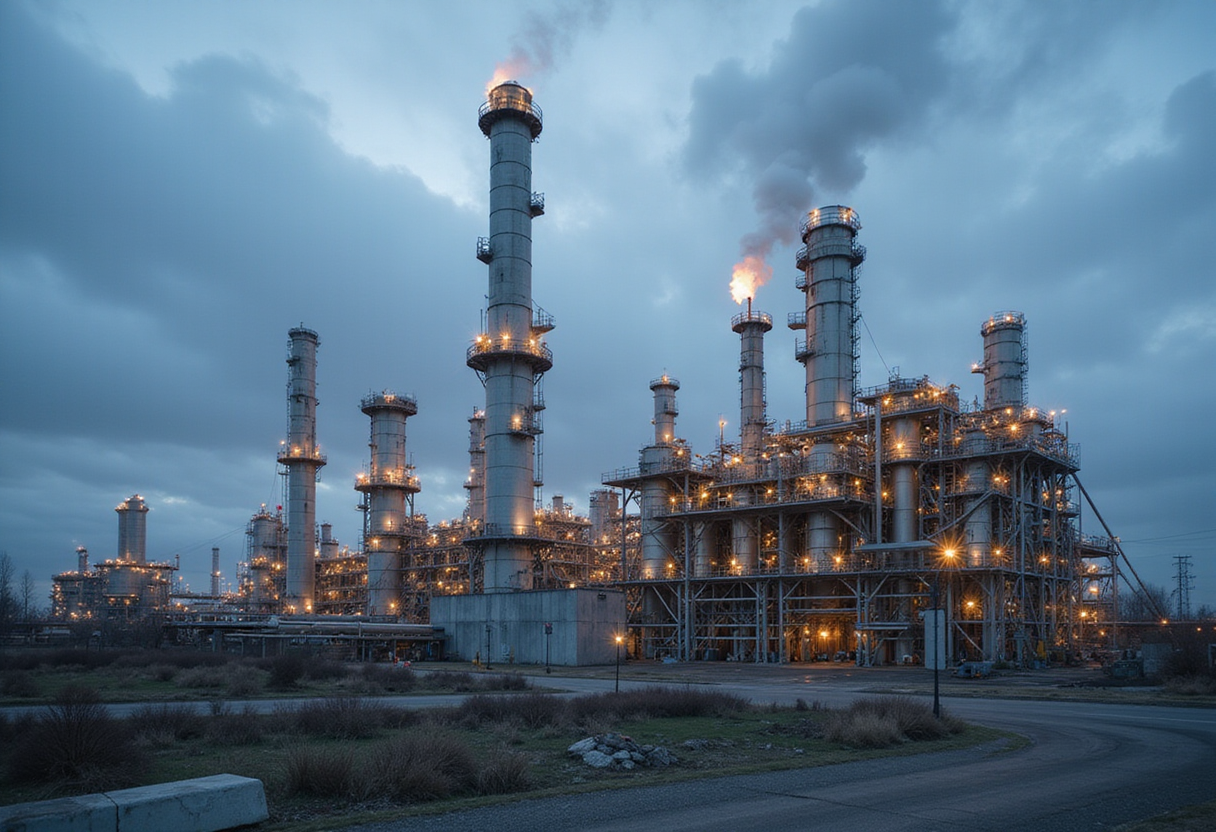
Ukraine hit Russia's largest oil refinery with a strike that travelled 2,500 km from the border, and a fire broke out at the facility, LIGA.net reported.
The attack marks one of the deepest-penetration strikes against Russian refining infrastructure since the campaign of long-range attacks on the sector began. The distance figure — 2,500 km from the Ukrainian border — places the target far beyond the range of most tactical systems and signals Kyiv's continued reliance on long-range drones against energy assets deep in Russian territory.
LIGA.net described a fire point at the refinery following the strike. The outlet did not immediately report the extent of damage, the units affected, or the refinery's throughput status after the incident.
Why does the refinery sector keep drawing strikes?
Russian refining capacity has absorbed repeated drone damage over the past two years of the war. Each successful hit forces operators to shut units, conduct repairs that can take weeks or months, and in some cases export crude they can no longer process.
For a downstream desk, the operational question after any strike is always the same sequence:
- Which units were hit — crude distillation, catalytic cracking, or utilities?
- How much nameplate capacity is offline, in barrels per day?
- How long will repairs take, and can Russian workshops fabricate replacement equipment under sanctions?
- Will the operator divert crude to export markets or to other domestic refineries?
LIGA.net's report did not yet answer those questions for this incident. The 2,500 km reach, however, confirms that no major Russian refining center sits outside the engagement envelope Kyiv can currently contemplate.
What does this mean for product markets?
Damage to Russia's largest refinery — by capacity, the biggest single processing asset in the country — carries more market weight than strikes on mid-sized plants. Analysts tracking the sector attribute Russia's repeated export bans on gasoline and diesel over the past two years partly to strike-related outages叠加 seasonal maintenance, though any specific supply impact from this attack will depend on damage assessments that had not been published at the time of reporting.
Russia has historically kept domestic fuel supplied by drawing on refinery slack, curbing exports, and routing crude to plants that were still running. Whether that playbook absorbs this hit without new export restrictions is a question for the coming weeks.
What is the watch item?
The items that will define this story's market relevance:
- A damage assessment and unit-by-unit outage confirmation from the operator or Russian officials.
- Any change in Russia's petroleum-product export quotas or export bans in response.
- Satellite imagery confirming the fire's scale and whether processing units — rather than tankage — were struck.
- Ukraine's confirmation of the strike and the weapon system used to reach 2,500 km.
Until those land, the confirmed facts stand as reported: a strike on Russia's largest oil refinery at a range of 2,500 km from the border, and a fire point at the facility. Watch for the throughput number.
via Google News: Refineries and petrochemicals (Source)
More from James Calloway
Show full bio
Staff writer covering industry trends and analytics at Rig & Refinery.
384 articles